Proposed tissue repair
TB-500 and thymosin beta-4
A lab-made piece of a natural protein. No proper trial in people. Vials may hold something else.
Not an authorised medicine
At a glance
- Is it an approved medicine?
- No. Not approved as a medicine in the EU, the UK or the US.
- Has it been tested in people?
- Very little. Only reports about a few patients, not proper trials.
- Is it allowed in sport?
- No. Banned in sport at all times. Anti-doping list (WADA), section S2
- What is the biggest risk?
- No proper human trials. Vials may hold the wrong substance or germs. More about the risks
Status checked on . The details and sources are further down this page.
Stop and get help if you notice
- Hot, red, swollen injection site, or fever116,7
- Hives, swollen face or throat, hard to breathe118,7,6
- New lump, changing mole, or unexplained weight loss119,120,64,65,7
If it is severe, call your local emergency number.
All warning signs, further down this page Warning signs for any peptide
The 30-second version
About 10 minutes for the short version; 43 with every detail open.
- TB-500 is a lab-made piece of a natural protein, thymosin beta-4. It is not an approved medicine.
- Vials sold as TB-500 may hold the short piece, the whole protein or something else.
- TB-500 itself has never been tested in a proper trial in people. Its risks in people are unknown.
- The whole protein was tried as eye drops in large trials. Those trials mostly missed their main goals.
- It is banned in sport. US advisers backed letting pharmacies make it, but that was only advice.
Fact sheet
- Class
- Proposed tissue repair
- Made of
- Seven amino acids: positions 17–23 of thymosin beta-4
- How long it lasts
- Horse blood: unmeasurable after 6–10 hours; no human data
- Trials of TB-500
- No real trial on ClinicalTrials.gov (checked 20 October 2026)
- Whole-protein trials
- About 1,800 people, mostly eye drops; no clear benefit shown
- Status in the EU
- Not authorised
- Tested in people
- Very little
Label facts, not dosing advice. Sources are in the sections below.

Each section starts with the short answer. The rest is folded under “In detail”.
Evidence profile
Four separate questions. Not a score.
- Human clinical evidence How far has it been tested in people?
- Case reports only (step 2 of 6)
- Preclinical volume How much laboratory and animal research exists?
- Moderate (step 2 of 3)
- Source independence How many independent groups produced it?
- A few groups (step 2 of 3)
- Safety characterisation How well do we know the harms in humans?
- Uncharacterised (step 1 of 3)
In detail: Why these grades: the reason for each step , about 2 minutes to read
- Human clinical evidence
- Case reports. No study of TB-500 itself in people has been published; the FDA found no human data in May 2026. Since then one report has appeared of 3 dental patients given a five-drug mixture that included TB-500, and an earlier knee study gave 4 people BPC-157 together with a product called 'TB4'. Full-length thymosin beta-4, a different 43-amino-acid molecule, reached phase 3 trials as eye drops; those trials do not count for the 7-amino-acid fragment.
- Preclinical volume
- Moderate, at the low end. By our PubMed count on 20 October 2026, 8 primary studies test what the fragment or its LKKTETQ core does in cells or animals, and 4 more describe how it is broken down in horses, rats and human tissue samples (another 7 are doping-laboratory detection methods or product analyses). The more than 1,100 PubMed records that name thymosin beta-4 in the title or abstract almost all concern the whole protein, not TB-500.
- Source independence
- Few groups. The early wound-healing work on the LKKTETQ core came from the NIH group that also developed full-length thymosin beta-4, and two later cell studies have links to that network: one used peptides donated by its company, RegeneRx, and one was led by a former member of the NIH group. The other fragment studies come from unrelated laboratories in South Korea, Turkey, China and Poland and from doping-control laboratories. Each published one study and none has repeated another's key finding. So no single group dominates, and no result is replicated.
- Safety characterisation
- Uncharacterised. The FDA found no toxicology study of any kind for TB-500 (no acute, repeat-dose, genotoxicity, reproductive or cancer studies) and no human exposure data. Trials of the full-length protein, mostly as eye drops or skin gel, recorded few side effects, but they used a different molecule, other routes and short treatment periods.
We never add these up. A compound can have a large animal literature from one laboratory and no human data at all — that is a specific situation, and a single number would hide it. How we grade evidence
In detail: The molecule: amino-acid sequence and technical details , about 1 minute to read
Ac–Leu-Lys-Lys-Thr-Glu-Thr-Gln–OH
Read from the N-terminus (start) to the C-terminus (end).
- Modifications
- position 1: Leu (thymosin beta-4 position 17): acetyl group added in the lab; inside the natural protein this leucine is not acetylated
- Full name
- Acetylated thymosin beta-4 fragment (residues 17–23)
- Also called
- TB500, TB 500, Ac-LKKTETQ, thymosin beta-4 fragment 17–23
- Class
- Proposed tissue repair
- Body systems
- Muscles, tendons, bones, Skin, Heart and blood vessels
- Formula
- C38H68N10O14
- Molecular mass
- 889 Da
What it actually is
What is TB-500?
| Thymosin beta-4 (the whole protein) | TB-500 (the lab-made piece) | |
|---|---|---|
| A whole natural protein? | Yes A chain of 43 amino acids. Many kinds of human cells hold large amounts of it.1,2,3 | No A lab-made copy of 7 of its amino acids, positions 17 to 23.4,5 |
| Has the part that grips actin? | Yes The stretch LKKTET, at positions 17 to 22.6,7,8 | Yes It contains the same stretch. Whether it grips actin is not known.8,7 |
| An official medicine name? | Yes Timbetasin. Trial codes include RGN-259 and RGN-137.1 | No “TB-500” is only a common name.7 |
| Tested in trials in people? | Yes Up to phase 3, mostly as eye drops and skin gel. Most found no clear benefit.9,10,11,12 | No There is no trial.7,13 |
| Approved as a medicine in the EU? | No EMA’s data hold no record of it.14,15 | No EMA’s data hold no record of it.14,15 |
TB-500 is promoted online for tendon, muscle, ligament and bone injuries, wounds, inflammation, hair growth, heart health and much else.7 That reputation borrows almost entirely from research on the whole protein. It is also sold in blends with BPC-157.16,7 See the BPC-157 page.
In detail: The molecule, and two molecules that share one name , about 2 minutes to read
TB-500 is a synthetic peptide of seven amino acids, Ac-Leu-Lys-Lys-Thr-Glu-Thr-Gln-OH, with an acetyl group on its first amino acid. Its formula is C38H68N10O14 and its mass is 889.0 Da.5,7 It is a copy of positions 17 to 23 of thymosin beta-4, a natural protein of 43 amino acids.4,17,1
Two molecules, one name
The confusion around TB-500 starts with its name. Several websites, the FDA notes, describe TB-500 as a synthetic version of thymosin beta-4 and use the two names as if they were the same; a 2026 journal article calls it “synthetic thymosin beta-4” too.7,18 The FDA’s 2026 review says plainly that thymosin beta-4 and TB-500 “are not the same substance”.7 The difference is large: one is a whole protein, the other a lab-made copy of a short piece from its middle.
| Thymosin beta-4 | TB-500 | |
|---|---|---|
| Length | 43 amino acids | 7 amino acids |
| Sequence | Ac-SDKPDMAEIEKFDKSKLKKTETQEKNPLPSKETIEQEKQAGES | Ac-LKKTETQ, the same as positions 17 to 23 of the protein |
| Acetyl group | On position 1, added by the cell | Added in the lab to the leucine at position 17, which is not acetylated in the natural protein |
| Contains the actin-binding stretch LKKTET (17–22) | Yes | Yes |
| Contains Ac-SDKP (positions 1–4) | Yes | No |
| Where it comes from | Made by many kinds of human cells; for trials, by chemical synthesis or by genetically engineered cells | Chemical synthesis only |
| Official name | International non-proprietary name timbetasin; trial codes RGN-259, RGN-137, RGN-352 | None; “TB-500” is a common name |
| Tested in people | Trials up to phase 3, mostly as eye drops and skin gel | No trial |
In detail: Where it came from , about 1 minute to read
Thymosin beta-4 was first sequenced in 1981 from calf thymus, which is where the name comes from.19 It was first thought to be a thymus hormone, but it is present in large amounts inside many kinds of cells, where it holds single units of actin.2,3 In 2003 an NIH group reported that a peptide copying positions 17 to 23 could, on its own, help wounds close in old mice.20 According to the FDA, TB-500 appears to have been made first in that work. A veterinary preparation called TB-500 appeared in about 2011, aimed at racehorses and racing greyhounds.7,17
In detail: How it is made, and why the label means little , about 1 minute to read
TB-500 can be made by solid-phase peptide synthesis, the usual method for short peptides: amino acids are joined one by one on resin beads, the last one is acetylated, and the chain is cut free.7,4 Each step can leave shortened or wrongly built chains behind. It is sold as a free base or as an acetate salt, which the FDA treats as two different substances.7
The bigger problem is identity. The FDA found “multiple salts, and derivatives, including different active moieties” sold under the same common name.7 A French horse-racing laboratory reported that products sold as TB500 or TB1000 did not consistently contain what their descriptions said, and the same laboratory noted in 2025 that many products online claim to contain either the acetylated fragment “or TB4 itself”.21,22 A German anti-doping laboratory found thymosin beta-4 among confiscated black-market products.23 So a vial labelled TB-500 may contain the 7-amino-acid fragment, the whole 43-amino-acid protein, something else, or a mixture.
Proposed mechanism
How does it work?
| In cells or animals | In people | |
|---|---|---|
| Grips actin, as the whole protein does? | Unknown The whole protein does, in test tubes. For TB-500 this is only a hypothesis.2,7 | Unknown Not studied in people. |
| Broken down quickly? | Yes In horses, blood levels could not be measured after 6 to 10 hours. Enzymes cut it into shorter pieces, also in human tissue samples.17,24 | Unknown No study has measured TB-500 in human blood.7 |
| Helps cells close a wound in a dish? | No TB-500 itself did not close scratch “wounds” in a layer of cells. One of its breakdown pieces closed them slightly.24 | Unknown Not studied in people. |
| Faster healing in animals? | Yes In two studies, neither repeated: mouse skin wounds (the core without its acetyl group) and rat tendons (a product sold as TB-500).20,18 | Unknown There is no trial of TB-500 in people.7 |
Nobody knows what TB-500 does in the body, or whether it does anything useful.
In detail: Step by step: the proposed chain and what each step rests on , about 6 minutes to read
The chain below is pieced together from studies of the whole protein, of the unacetylated core LKKTETQ and, in only a few cases, of TB-500 itself. Each step is labelled with how well it is shown for TB-500.
Each step is labelled with how well the link from the previous step is established.
-
Thought to grip single actin units, as the whole protein does
Full-length thymosin beta-4 binds single actin units one-to-one and keeps them out of the cell's protein threads (shown in test tubes). TB-500 contains the stretch LKKTET that forms the actin-binding site. Whether the 7-amino-acid fragment, with its added acetyl group, holds actin the same way has not been shown; the FDA calls it a hypothesis.
-
Cut into shorter pieces within hours
After an injection under the skin in horses, TB-500 peaked in blood within 1 to 2 hours and was unmeasurable after 6 to 10 hours. In horses, rats and human liver, kidney and serum samples it is trimmed from its end into pieces such as Ac-LKKTE, Ac-LKK and Ac-LK. Which piece, if any, is active is not known.
-
Cells: mixed results in dishes
The whole protein made skin cells and blood-vessel cells move faster. TB-500 itself did not close scratch 'wounds' in fibroblasts, but its breakdown product Ac-LKKTE did. The LKKTETQ peptide calmed scar-forming liver cells and triggered mast cells to release their contents. One laboratory each; none repeated.
-
Some faster healing in animals
A non-acetylated LKKTETQ peptide helped skin wounds close in aged mice (originating group, 2003). A product sold as TB-500 gave stronger repaired Achilles tendons in rats after four weeks (Turkey, 2026; 4 tendons per group in each test; the product's sequence was not stated).
-
Benefit for people: not shown
No trial of TB-500 in people exists. The whole protein, a different molecule, was tested in about 1,800 trial participants; the trials whose main goal was a benefit mostly missed it. Whether any step above happens in a person who injects TB-500 is unknown.
What the whole protein does in a cell
Inside cells, actin exists as single units and as long threads built from them. Cells grow and shrink these threads to change shape and to crawl. Thymosin beta-4 binds single actin units one-to-one and stops them joining threads (Evidence level: Shown in cells or tissue in the laboratory). In resting human platelets at least half of the actin is free of threads, and most of that is held by thymosin beta-4.2 The protein acts as a stock of building blocks that the cell can release when it needs to move.3
The body already has a great deal of it. In human blood it sits almost entirely inside white cells and platelets; plasma holds less than 1% of the amount in whole blood. When blood is left to clot in a tube, cells release it and the level in the serum rises about fifty-fold within a day.25 The originating research group proposed that platelets release it at a wound, where it helps start repair.26,27 Outside cells, the whole protein made human blood-vessel cells move faster through a pathway involving ATP synthase on the cell surface (Evidence level: Shown in cells or tissue in the laboratory).28
Step 1: does TB-500 grip actin?
TB-500 contains the stretch LKKTET, the part of the protein that sits on actin.8,7 That makes it plausible that the fragment binds actin too. But the FDA’s 2026 review calls this a hypothesis, and says it “remains to be determined” whether actin binding explains any effect of the fragment.7 The added acetyl group matters as well. Acetylation changes a peptide’s charge, shape and lifespan, so, the FDA warns, results with the unacetylated LKKTETQ “cannot be directly extrapolated” to TB-500.7
Step 2: it is broken down quickly
Doping laboratories have studied what happens to TB-500 because they need to detect it. After an injection under the skin in horses, blood levels peaked within 1 to 2 hours and could not be measured after 6 to 10 hours (Evidence level: Shown in animal studies).17,29,7 In horses and rats, and in human serum, liver and kidney samples, enzymes cut it into shorter pieces, mostly by trimming its end: Ac-LKKTE, Ac-LKK, Ac-LK and others (Evidence level: Shown in animal studies).17,24,30,31 No study has measured TB-500 in human blood.7
Steps 3 and 4: cells and tissue
The whole protein made skin cells crawl faster in a lab chamber (Evidence level: Shown in cells or tissue in the laboratory).32 For TB-500 itself the picture is mixed. It did not close scratch “wounds” in a layer of fibroblasts, but its breakdown product Ac-LKKTE closed them slightly (Evidence level: Shown in cells or tissue in the laboratory), so any healing effect may come from that product.24 The LKKTETQ peptide reduced growth-factor-driven activation and movement of scar-forming liver cells (Evidence level: Shown in cells or tissue in the laboratory), the opposite direction to the wound story,33 and made mast cells release their contents (Evidence level: Shown in cells or tissue in the laboratory).6 The few animal results, including mouse skin wounds and rat tendons, are discussed under the evidence below.20,18
In detail: What TB-500 cannot do, and the protein's disputed natural role , about 1 minute to read
Some of thymosin beta-4’s reported actions depend on a part that TB-500 does not have.8 The body cuts the protein’s first four amino acids off as the peptide Ac-SDKP. The enzyme prolyl oligopeptidase does this, and the enzyme ACE breaks Ac-SDKP down again.34,35 Ac-SDKP reduced scarring of the heart and kidneys in rats with high blood pressure (Evidence level: Shown in animal studies).35 TB-500 starts at position 17, so it cannot produce Ac-SDKP, and any benefit that depends on Ac-SDKP does not apply to it. The heart-cell survival signal described below was found with the whole protein; whether the fragment can trigger it is unknown.36
The whole protein’s natural role is also disputed. A 2007 study reported severe heart-vessel defects in mice with reduced thymosin beta-4,37,38 but mice bred with none at all were born with normal hearts and blood vessels (Evidence level: Shown in animal studies).38,39 What extra protein does in an experiment may not reflect what the body’s own protein is for.
What the evidence actually shows
Does it work?
No trial has tested TB-500 on its own in people
0 trials
of TB-500 on its own in people. None is published, and no real one is registered.
Who took part FDA review, May 2026: no human data. ClinicalTrials.gov, 20 October 2026: no real trial. Two small reports involved products mixed with other drugs: 3 dental patients given TB-500 in a five-drug mix (Froum 2026), and 4 people given BPC-157 with an undefined 'TB4' (Lee 2021) Sources FDA Briefing Document for TB-500-Related Bulk Drug Substances (TB-500 (free base) and TB-500 acetate), Pharmacy Compounding Advisory Committee meeting, 23–24 July 2026; ClinicalTrials.gov (2026); Froum et al. (2026); Lee & Padgett (2021)7,13,40,41
In its two largest trials, the whole protein missed both main goals
601 and 700 people
with dry eye, in two eye-drop trials. In both, neither main goal was better than with placebo.
Who took part ARISE-2 and ARISE-3: randomised, placebo-controlled phase 3 trials of whole thymosin beta-4 eye drops (RGN-259), not TB-500; results on the trial register only Sources ClinicalTrials.gov (2022); ClinicalTrials.gov (2026)9,10 Evidence Human trials
In one rat study, a product sold as TB-500 gave stronger repaired tendons
37.4 vs 26.9 newtons
typical force a mended tendon took before it gave way, with the product and with a dummy injection
Who took part Biçer 2026, Turkey: median load to failure; 32 rats in four groups of 8 (4 tendons per group in each test), four weeks, pathologist blinded; the product came from a research-chemical seller, with no reported sequence or purity Source Biçer et al. (2026)18 Evidence Animals
The whole protein’s biology is real, and laboratories inside and outside the originating group found that adding it helps wounds or injured hearts in animals.2,32,36 In people it has been given by drip, gel and eye drops with few side effects, which is useful safety information for that molecule and those routes.42,43,10 The one independent rat study of a TB-500 product on a tendon was positive.18
But the gap is wide. The trials that tested the whole protein properly mostly missed their main goals, and TB-500 has never been tested in people. Meanwhile the grey market sells the fragment on the protein’s reputation. A trial of TB-500 itself, made to medicine standards, could answer what years of online use have not.
In detail: Every study in one table, and where the evidence comes from , about 11 minutes to read
26 studies: 15 in humans, 7 in animals, 3 in cells, 1 reviews or other.
| Study | Species | n | Design | Funding | Research group | What it found | What it did not show |
|---|---|---|---|---|---|---|---|
| Malinda et al. 1999 32 | Rats | not reported | Animal experiment (controlled) | Government | Originating group | Whole thymosin beta-4: in rats with full-thickness skin wounds, treatment on the skin or into the abdomen increased new skin cover by 42% at day 4 and up to 61% at day 7, with more wound shrinkage, collagen and new vessels. | Originating group; animal numbers and blinding not in the abstract; healthy young rats with fresh wounds, unlike chronic human ulcers. |
| Cha et al. 2003 64 | Mice | not reported | Animal experiment (controlled) | Not disclosed | Originating group | Whole thymosin beta-4 made by tumour cells: mouse melanoma cells engineered to make more of it formed larger tumours (21.7 vs 13.3 mm) and about four times as many lung metastases in 20 mice, with 4.4 times more tumour blood vessels. | The cells made extra protein from inside; nobody injected thymosin beta-4 or TB-500. One mouse cell line; originating group. |
| Philp et al. 2003 20 | Mice | not reported | Animal experiment (controlled) | Not disclosed | Originating group | TB-500 core (not acetylated): in aged mice, the 7-amino-acid peptide LKKTETQ put on skin wounds helped them close about as well as whole thymosin beta-4. The whole protein also helped wounds in diabetic mice. | Originating group; animal numbers not in the abstract; one strength only, so no dose–response; the peptide lacked TB-500's acetyl group, which the FDA says means the result cannot be carried over to TB-500. |
| Bock-Marquette et al. 2004 36 | Mice | not reported | Animal experiment (controlled) | Mixed | Independent group | Whole thymosin beta-4: in mice after a tied-off heart artery, treatment switched on the survival signals ILK and Akt, more heart-muscle cells survived early, and heart function was better. | Mice; numbers and treatment timing not in the abstract; later knockout studies showed mice do not need their own thymosin beta-4 for normal heart development. |
| Dunn et al. 2010 53 | Humans | 9 | Case series (uncontrolled) | Not disclosed | Originating group | Whole thymosin beta-4 eye drops: of 9 people with eye-surface wounds that would not heal, 6 with larger wounds healed; 3 with tiny spot-like defects did not change. | Compassionate use without a comparison group; a RegeneRx author among the authors; thinning of the cornea in one patient. |
| Guarnera et al. 2010 50 | Humans | 73 | Phase II trial (controlled, blinded) | Industry | Originating group | Whole thymosin beta-4 gel (RGN-137): in 73 people with venous leg ulcers at eight European sites, safety was similar to placebo. The register shows 12 of 55 healed on the gel and 4 of 17 on placebo. | Phase 2 with three strengths; the authors' suggestion that the middle strength may speed healing rests on one strength and on smaller wounds; developer-funded. |
| ClinicalTrials.gov 2010 11 | Humans | 72 | Phase II trial (controlled, blinded) | Industry | Originating group | Whole thymosin beta-4 gel (RGN-137): in 72 people with pressure ulcers, 8 of 54 on the gel and 3 of 18 on placebo healed within 84 days. Serious adverse events: 13 vs 5. | Results posted on the trial register only, not in a full journal paper; three gel strengths pooled; healing was a secondary outcome and showed no advantage. |
| ClinicalTrials.gov 2010 57 | Humans | 12 | Phase II trial (controlled, blinded) | Industry | Originating group | Whole thymosin beta-4 eye drops: in 12 people with diabetes whose corneal surface was removed during eye surgery, all corneal wounds healed by day 14, with drops (9 of 9) or placebo (3 of 3). | Stopped early for slow recruitment; tiny and unbalanced groups; results on the register only. Ordinary corneal wounds heal fast, so there was little room to show a benefit. |
| Ruff et al. 2010 42 | Humans | 40 | Phase I trial (controlled) | Industry | Originating group | Whole thymosin beta-4 by drip: 40 healthy volunteers received a single dose and then 14 daily doses or placebo. Side effects were few and mild or moderate; there were no serious adverse events. | Small and short; healthy volunteers; blinding not stated in the abstract; for a heart-attack drug that was never taken further (the phase 2 trial was withdrawn before it started). |
| Banerjee et al. 2012 38 | Mice | not reported | Animal experiment (controlled) | Mixed | Independent group | Whole thymosin beta-4: mice bred without the gene for it, in the whole body or only in the heart, were born normally and had normal hearts, blood vessels and adult heart function. | Shows what the body's own protein is needed for, not what added protein does; contradicts an earlier knock-down study that reported severe heart-vessel defects. |
| Ho et al. 2012 17 | Horses | not reported | Pharmacokinetic study (uncontrolled) | Not disclosed | Independent group | TB-500: after one injection under the skin in horses, the peptide and its shorter breakdown products were found in blood and urine; blood levels peaked within 1 to 2 hours and were unmeasurable after 6 to 10 hours. | A doping-detection study in horses; no comparison group and no clinical outcome; says nothing about effects in people. |
| ClinicalTrials.gov 2013 51 | Humans | 30 | Phase II trial (controlled, blinded) | Mixed | Originating group | Whole thymosin beta-4 gel: in 30 people with epidermolysis bullosa, 8 of 22 wounds healed on the gel and 5 of 8 on placebo by day 56 (no significant difference). No serious adverse events. | Stopped early for lack of patients and expired study drug; results on the register only; small. Funded in part by the FDA's orphan products office. |
| Sosne & Ousler 2015 54 | Humans | 72 | Phase II trial (controlled, blinded) | Industry | Originating group | Whole thymosin beta-4 eye drops (RGN-259): in 72 people with dry eye, neither main outcome (discomfort, staining of the lower cornea at day 29) differed from placebo. Some secondary measures were better. | Missed both primary endpoints; positive results come from secondary measures; one centre; developer-sponsored. |
| Sosne et al. 2015 55 | Humans | 9 | Phase II trial (controlled, blinded) | Not disclosed | Originating group | Whole thymosin beta-4 eye drops: in 9 people with severe dry eye (12 treated eyes, 6 placebo eyes), discomfort and corneal staining were lower at several time points. No adverse events. | Nine people; the trial's primary outcome was safety; many comparisons at many time points; originating network. |
| Shah et al. 2018 33 | Cells (lab) | not reported | Laboratory (cells) (controlled) | Government | Mixed | TB-500 core: in human liver stellate cells (the cells that make scar tissue in the liver), the LKKTETQ peptide blocked growth-factor-driven activation, multiplication and movement; a peptide from the protein's start (1–15) did not. | Cells in a dish from one laboratory; the peptides were donated by RegeneRx, the company that developed thymosin beta-4; whether the 17–23 peptide was acetylated is not stated in the abstract; the effect (less cell movement) runs opposite to the wound-healing story. |
| Lee & Padgett 2021 41 | Humans | 16 | Case series (uncontrolled) | Not disclosed | Independent group | A product called 'TB4' with BPC-157: of 16 people with knee pain reached by phone after knee injections at a Florida clinic, 4 had received BPC-157 plus 'TB4'; 3 of those 4 reported relief. | Retrospective phone survey 6 to 12 months later; no comparison group and no validated outcome measure; 'TB4' was not defined, so the molecule is unknown; always given with BPC-157. |
| Wang et al. 2021 43 | Humans | 84 | Phase I trial (controlled, blinded) | Industry | Independent group | Recombinant thymosin beta-4 (NL005) by drip: in 84 healthy Chinese volunteers, side effects were similar to placebo and none was serious. Antibodies against the drug appeared briefly in 2 of the 82 people tested (the paper does not say whether they had the drug or placebo) and then disappeared. | Short single-dose and 10-day studies; healthy people; sponsor employees among the authors; a 44-amino-acid recombinant version, not TB-500. |
| Yoon et al. 2021 66 | Cells (lab) | not reported | Laboratory (cells) (controlled) | Not disclosed | Mixed | Thymosin beta-4 fragments: in SKOV3 ovarian cancer cells, the whole protein and three fragments, including one that contains positions 17–23 and fragments without the actin-binding site, increased cell movement, invasion and multiplication. | One cancer cell line in a dish; TB-500 itself (acetylated LKKTETQ) was not tested; funding not stated in the PubMed record; the senior author earlier worked with the originating NIH group. |
| ClinicalTrials.gov 2022 9 | Humans | 601 | Phase III trial (controlled, blinded) | Industry | Originating group | Whole thymosin beta-4 eye drops (RGN-259): in 601 people with dry eye, neither main outcome at day 29 favoured the drops (discomfort and staining changed no more than with placebo). Serious adverse events 3 vs 2. | Results posted on the register in 2022; no journal paper found as of 20 October 2026. |
| Sosne et al. 2022 58 | Humans | 18 | Phase III trial (controlled, blinded) | Industry | Originating group | Whole thymosin beta-4 eye drops (RGN-259): in 18 people with neurotrophic keratopathy, the eye wound fully healed after 4 weeks in 6 of 10 on the drops and 1 of 8 on placebo (p = 0.0656, not significant). | Stopped early for a 'business decision'; 18 people; a Cochrane review rated the evidence low-certainty; designed by developer employees. |
| Delcourt et al. 2023 21 | — | not reported | Product testing | Government | Independent group | Products sold online as TB500 and TB1000: analysis by a French horse-racing laboratory found that their content 'is not systematically consistent' with their former descriptions. | A short report on a few products; only the abstract was available to us, so the exact contents are not reported here. |
| Rahaman et al. 2024 24 | Mixed | not reported | Laboratory (cells) (controlled) | Not disclosed | Independent group | TB-500: in rats and in human serum and liver and kidney preparations it was cut into shorter pieces; the main early piece was Ac-LK and Ac-LKK lasted up to 72 hours in rat urine. TB-500 itself did not close scratch 'wounds' in fibroblasts; its piece Ac-LKKTE did. | Mainly a doping-laboratory method study; one concentration and one cell type for the healing test; funding not stated. |
| Zhang et al. 2025 47 | Humans | 96 | Randomised controlled trial (controlled, blinded) | Mixed | Independent group | Recombinant thymosin beta-4 by injection: in 96 people treated for a major heart attack, the amount of dead heart muscle at 90 days did not differ overall from placebo; it was smaller in the 43 who got the first dose within 8 hours. | The overall result was negative and the positive finding is a subgroup; three authors employed by the developer; related phase 2 trials have no posted results. |
| ClinicalTrials.gov 2026 10 | Humans | 700 | Phase III trial (controlled, blinded) | Industry | Originating group | Whole thymosin beta-4 eye drops (RGN-259): in 700 people with dry eye, neither main outcome at day 15 was better than placebo (staining change −0.41 vs −0.46; discomfort −0.4 vs −0.4). Other adverse events 47 of 350 vs 31 of 349; none serious. | Main results were collected by November 2020 but posted only on 28 August 2026, and no journal paper was found. |
| Biçer et al. 2026 18 | Rats | 32 | Animal experiment (controlled, blinded) | Academic | Independent group | A product sold as TB-500: in 32 rats with repaired Achilles tendons (8 per group), the TB-500 group had higher load to failure (median 37.4 vs 26.9 newtons) and better tissue scores than controls after four weeks. Adding BPC-157 gave no extra benefit. | Only 4 tendons per group in each test; four weeks only; the product came from a research-chemical seller and its sequence and purity were not reported, so which molecule was tested is uncertain. Pathologist blinded; no funding. |
| Froum et al. 2026 40 | Humans | 3 | Case series (uncontrolled) | — | Independent group | TB-500 in a mixture: three dental patients with numbness after injury to a nerve in the lower jaw had weekly gum injections of five drugs, including TB-500; feeling largely returned and no adverse events were reported. | Three people, no comparison group; TB-500 was mixed with two other peptides, a steroid and a local anaesthetic; the authors note that this kind of nerve injury often recovers on its own and that causality cannot be established. |
Each row says which molecule was tested. Few are about TB-500 itself.
| Molecule | Cells and animals | People |
|---|---|---|
| TB-500 (acetylated fragment) | About 8 studies of effects in cells or animals and 4 of breakdown in animals and human samples, from many laboratories, few of which published more than once | No trial. Two small reports in which a TB-500 or “TB4” product was mixed with other drugs (7 people exposed in total) |
| LKKTETQ core without the acetyl group | A few cell and mouse studies, the first from the originating NIH group (2003) | None |
| Whole thymosin beta-4 | More than 1,000 PubMed records of all kinds, including reviews | About 1,800 participants in trials with published or posted results, mostly eye drops and skin gel; main goals mostly missed |
In detail: Cell and animal studies, one by one , about 2 minutes to read
TB-500 and its core in cells and animals
The FDA found no animal study of TB-500’s effect on wounds in 2026, and only one cell study: the negative scratch test above.7,24 The founding study, from the NIH group that also developed the whole protein, used the core without its acetyl group. In 26-month-old mice, LKKTETQ on small skin wounds increased closure and collagen at day 7, much like the whole protein (Evidence level: Shown in animal studies).20 The FDA notes that only one strength was tested and that the result cannot simply be carried over to TB-500.7
In 2026 a Turkish team tested a product called TB-500 on an injury in rats. They cut and repaired the Achilles tendons of 32 rats and gave BPC-157, TB-500, both or an inactive injection for four weeks. The TB-500 group had a higher load to failure than controls (median 37.4 against 26.9 newtons) and better tendon-structure scores (Evidence level: Shown in animal studies); adding BPC-157 gave nothing extra. The pathologist did not know the groups, but only four tendons per group went to each test, and the product came from a research-chemical seller with no reported sequence or purity.18 A Chinese group reported that, in a mouse model of Alzheimer’s disease, peptides it called TB500 and Ac-SDKP reduced brain inflammation and improved memory tests (Evidence level: Shown in animal studies) (mouse numbers not in the abstract).44 None of these results has been repeated.
The whole protein in animals
The originating group reported in 1999 that thymosin beta-4, put on skin wounds or injected into the abdomen of rats, increased new skin cover by 42% at day 4 and up to 61% at day 7 (Evidence level: Shown in animal studies).32 An independent laboratory in Texas reported in 2004 that, after tying off a heart artery in mice, thymosin beta-4 switched on the cell-survival signals integrin-linked kinase and Akt, more heart-muscle cells survived early, and heart function was better (Evidence level: Shown in animal studies).36
In detail: The whole protein in people: injection, skin gel and eye drops , about 4 minutes to read
The US company RegeneRx developed thymosin beta-4 in three forms: a skin gel (RGN-137), eye drops (RGN-259, whose later trials were sponsored by the company ReGenTree) and an injection (RGN-352).1,45,46,9 A Chinese company later made a genetically engineered version, NL005.43
Injection. In 40 healthy volunteers given intravenous thymosin beta-4 or placebo for up to 14 days, side effects were infrequent and mild or moderate, with no serious adverse events (Evidence level: Shown in controlled human trials).42 The planned phase 2 heart-attack trial was withdrawn before it enrolled anyone.46 In 84 healthy volunteers given NL005 or placebo, there were no serious adverse events (Evidence level: Shown in controlled human trials).43 In a randomised, placebo-controlled trial in 96 people after a major heart attack, the amount of dead heart muscle did not differ overall from placebo (Evidence level: Shown in controlled human trials). It was smaller in a subgroup of 43 who received the first dose within 8 hours, but a positive subgroup in a trial that missed its main result can be chance.47 Two other phase 2 heart-attack trials of the company’s recombinant protein, with 62 and 90 people, finished in 2021 and 2023 and have posted no results on the register.48,49
Skin gel. In two phase 2 trials, 8 of 54 people with pressure ulcers healed on the gel against 3 of 18 on placebo, and 12 of 55 with venous leg ulcers against 4 of 17 (Evidence level: Shown in controlled human trials): no better than placebo.11,12,50 The developers’ review says the gel sped healing “by almost a month in those patients that did heal”, a comparison limited to the people who healed.26 In 30 people with the fragile-skin disease epidermolysis bullosa, 8 of 22 healed on the gel and 5 of 8 on placebo (Evidence level: Shown in controlled human trials); that trial stopped early, and a later one stopped after 4 patients.51,52
Eye drops. Nine people with eye wounds that would not heal were treated on compassionate grounds, and the larger wounds healed in 6.53 In the controlled trials:
- In 72 people with dry eye, neither main outcome differed from placebo (Evidence level: Shown in controlled human trials), although some secondary measures did.54
- In 9 people with severe dry eye, symptom and staining scores were lower than with placebo at several time points (Evidence level: Shown in controlled human trials), in a trial whose main goal was safety.55
- In ARISE-2, with 601 people, neither main outcome favoured the drops (Evidence level: Shown in controlled human trials).9
- In ARISE-3, with 700 people, neither main outcome was better than with placebo (Evidence level: Shown in controlled human trials). Its main results were collected by November 2020 but posted only on 28 August 2026.10 ARISE-1, with 317 people, ended in 2016 and has posted none.56
- In 12 people with diabetes whose corneal surface was removed during eye surgery, all wounds healed by day 14 with drops or with placebo (Evidence level: Shown in controlled human trials); the trial stopped early for slow recruitment.57
- In SEER-1, in the rare eye disease neurotrophic keratopathy, the wound healed completely in 6 of 10 people on the drops and 1 of 8 on placebo (Evidence level: Shown in controlled human trials). The difference was not statistically significant, and the trial stopped early for a “business decision”.58,59 A 2025 Cochrane review rated this evidence low-certainty.60
We found no journal paper for any of the three ARISE trials; the register records are the only public account of their results.
In detail: Reports in people involving TB-500, and registered trials , about 2 minutes to read
Human reports involving products called TB-500
In a Florida knee-pain phone survey, 4 of 16 people had received BPC-157 with an undefined product called “TB4”, and 3 of those 4 reported relief.41 In 2026, a US dental team described three patients with numbness after a jaw-nerve injury who had weekly gum injections of five drugs, including TB-500. Feeling largely returned, but the authors say causality cannot be established.40 Neither report can show what TB-500 did: it was never given alone, and there was no comparison group.
Registered trials
As of 20 October 2026, ClinicalTrials.gov lists no real trial of TB-500. One record that names it describes itself in its own summary as a “fictional study”.13 For the whole protein, the phase 3 eye-drop trial SEER-2 is still listed as recruiting, although the date by which it expected to collect its main results, 30 April 2026, has passed.61 A phase 2 heart-attack trial of NL005 with 189 planned participants was listed as not yet recruiting when its record was last updated, on 14 May 2026.62 A Chinese hospital trial of a wound dressing that slowly releases thymosin beta-4, in 20 people with hard-to-heal wounds, finished in 2015 and has posted no results.63
What is genuinely unknown
What is still not known?
| Open question | Answer |
|---|---|
| Does it do anything in people? | Unknown No human study of TB-500 alone exists.7 |
| What does a vial contain? | Unknown It may be the fragment, the whole protein or something else.7,21,22 |
| What happens to it in a person’s blood? | Unknown No one has measured it in human blood.7 |
| Has it been tested for harm in animals? | No There are no toxicity studies of any kind.7 |
| Does it affect existing tumours? | Unknown Untested. In mice, tumour cells that make more of the whole protein spread more.64,65,66 |
| Can it trigger immune reactions? | Unknown No study has tested this.7 |
In detail: All eight open questions, with their sources , about 1 minute to read
As of 20 October 2026, these are specifically unknown:
- Whether TB-500 does anything in people. No human study of TB-500 alone exists.7
- What a vial contains: the fragment, the whole protein or something else.7,21,22
- How it would work: whether the fragment binds actin, and whether TB-500 or one of its breakdown products is the active form.7,24
- Human pharmacokinetics. No one has measured TB-500 in human blood after any route.7
- Toxicity. There are no acute, repeat-dose, genotoxicity, reproductive or carcinogenicity studies.7
- Effects on existing tumours. In mice, tumour cells that make more of the whole protein spread more; whether injected TB-500 has any such effect is untested.64,66
- Immune reactions. No study has tested whether TB-500 triggers antibodies.7
- Dose–response, long-term use and interactions with any medicine.
Regulatory status
Is it legal?
| Netherlands and the EU | United States | |
|---|---|---|
| Approved as a medicine? | No No EU or Dutch authorisation. EMA’s data hold no record of TB-500 or thymosin beta-4.14,15,67,68 | No Not FDA-approved.7 |
| Legal to sell or supply as a medicine? | No Dutch law forbids selling or supplying a medicine that has no marketing authorisation, with narrow exceptions.69 | No Pharmacies may not legally make it until the FDA accepts the advice and makes a rule adding it to the 503A list.70,7 |
| Changed by the July 2026 US vote? | No Nothing the FDA or its advisers decide changes the law here.69 | No On 23 July 2026, the FDA’s Pharmacy Compounding Advisory Committee voted 8–6, with one abstention, to recommend BPC-157 for the 503A list. The TB-500 vote had the same split. Of the seven peptides it considered, it recommended six. These numbers are as reported from the public meeting. The vote was only advice, and went against FDA staff’s own recommendation.71,72,73,7 |
| Would a US listing make it an approved medicine? | No It would change nothing in the EU or the Netherlands.69 | No It would allow pharmacy compounding on prescription in the US. It is not an approval and says nothing about efficacy.74,70 |
| Allowed in sport? | No Banned at all times, and named on the list since 2018.75,76 | No The same worldwide rule applies.76 |
In detail: Status in each country, and in sport , about 2 minutes to read
| Jurisdiction | Status | Note | Checked |
|---|---|---|---|
| European Union | Not authorised | No authorised product and no orphan designation in EMA records for TB-500 or thymosin beta-4 (checked 20 October 2026). 14,15,67,7 | |
| Netherlands | Not authorised | Not authorised; supplying an unauthorised medicine is prohibited by the Geneesmiddelenwet. 68,69 | |
| Germany | Not authorised | Not authorised (AMG § 21). The Anti-Doping Act also names thymosin beta-4 and TB-500. 78,15,7 | |
| Belgium | Not authorised | Not authorised; the 1964 Medicines Act requires a national or EU licence, and none exists. 82,15,7 | |
| United Kingdom | Not authorised | Not authorised; supplying an unauthorised medicinal product is prohibited by the Human Medicines Regulations 2012. 83,7 | |
| United States | Not authorised | Not FDA-approved. The July 2026 advisory vote to allow pharmacy compounding is non-binding; no rule has been made. 7,73,71,84,85 | |
| Sport (WADA) | Prohibited in sport · S2, at all times Since | Prohibited at all times under S2.3 (growth factors); named since the 2018 List and still in the 2027 List. 75,76,77 |
All statuses were checked on 20 October 2026.
Sport (WADA)
Thymosin beta-4 “and its derivatives, e.g. TB-500” were named on the World Anti-Doping Agency’s Prohibited List in 2018, as examples of prohibited growth factors.75 They sit under S2.3, prohibited at all times, in the 2026 List and in the 2027 List that takes effect on 1 January 2027.76,77 Racing authorities forbid it in horses as well.22
In detail: The European Union, the Netherlands, Germany, Belgium and the United Kingdom , about 2 minutes to read
European Union and member states
No product containing TB-500 or thymosin beta-4 has an EU marketing authorisation. EMA’s data on all authorised, refused and withdrawn medicines, and on all orphan designations, contain no record of either.14,15,67 The FDA found no approved TB-500 product in Belgium, Germany, the UK or several other European countries, and no monograph in the European Pharmacopoeia.7
- Netherlands. The CBG database lists no product with TB-500 or thymosin beta-4.68 Under the Geneesmiddelenwet, a substance is a medicine if it is meant for, or presented as suitable for, healing disease, wounds or pain, or changing body functions through a pharmacological effect (art. 1). Selling, supplying, stocking or importing a medicine without a marketing authorisation is prohibited, with narrow exceptions (art. 40).69 For what a “research use only” label does and does not change, see research use only.
- Germany. Finished medicines need a national licence or an EU authorisation (AMG § 21); TB-500 has neither.78,15 The Anti-Doping Act separately lists “Thymosin-beta-4 und seine Derivate”, with TB-500 as an example.79 It prohibits acquiring, possessing or bringing into Germany a set amount or more for doping in sport.80,81
- Belgium. A medicine may be placed on the market only after a national or EU marketing authorisation (Medicines Act of 25 March 1964, art. 6 § 1). None exists for TB-500.82,15
United Kingdom
Selling or supplying an unauthorised medicinal product is prohibited (Human Medicines Regulations 2012, regulation 46), and no TB-500 product is authorised.83,7
In detail: The United States, and the July 2026 vote point by point , about 2 minutes to read
TB-500 is not FDA-approved, is part of no approved drug and has no official US monograph, so a pharmacy could legally compound with it under section 503A only if it were placed on the 503A bulks list through rulemaking.7,70 The FDA had earlier listed “thymosin beta-4, fragment (LKKTETQ), also known as TB-500” among substances that may present significant safety risks (Category 2), citing immunogenicity, impurities and the absence of human data. It now appears among substances whose nominations were withdrawn.84,85
The FDA evaluated TB-500 anyway, for wound healing. Its staff proposed that neither the free base nor the acetate be listed: the substance is not well characterised, there is no evidence of effectiveness, and its safety in people is unknown.7,73 What happened next is widely misreported:
- On 23 July 2026 the FDA’s Pharmacy Compounding Advisory Committee (PCAC) voted 8–6 with one abstention to recommend BPC-157 for the 503A bulk drug substances list (as reported from the public meeting). TB-500 was discussed in the afternoon of the same day.71,73 As reported from the meeting, the TB-500 vote had the same 8–6 split with one abstention.
- The committee considered seven peptides over two days.71,73 As reported from the meeting, it recommended six: BPC-157, KPV, TB-500, MOTS-c, Semax and epitalon. Emideltide (DSIP) was not recommended.
- The vote is advisory and non-binding, and it went against the FDA staff’s own recommendation.7,73
- Legal compounding remains prohibited until the FDA formally adopts the recommendation and completes rulemaking.70
- None of these is an approved medicine in the EU, the UK or the US (Semax is registered as a medicine in Russia). A 503A listing, if it ever happens, would allow pharmacy compounding on prescription in the US. It is not a marketing authorisation, says nothing about efficacy, and changes nothing in the EU or the Netherlands.74,86,14,70
The voting questions asked about TB-500 free base and TB-500 acetate separately.72 The FDA had not posted minutes by 20 October 2026, so the counts above are as reported from the public meeting. By the same date it had not proposed a rule to add TB-500 to the list.71,87 Even a listing would not make compounded TB-500 an FDA-checked product: compounded drugs are not FDA-approved, and adverse events need not be reported to the FDA.74
Risk profile
What are the risks?
| Possible harm | Shown in people? |
|---|---|
| Infection from germs or bacterial toxins in the product | Unknown The product certificate the FDA found did not test for germs or bacterial toxins.7 |
| An immune reaction, from harmless antibodies to severe reactions | Unknown The FDA says that, injected under the skin or into muscle, it may pose a significant risk. No study has tested this.7 |
| Itching, redness and swelling | Unknown In a dish, the 17–23 peptide made mast cells release their contents. Whether this happens in skin is unknown.6 |
| Helping a hidden tumour grow or spread | Unknown A worry based on animal and cell studies of the whole protein and some of its pieces. It is untested for TB-500.64,65,66,7 |
| Darker skin and gums | Unknown Reported once, after a product that mixed BPC-157 and TB-500. The FDA could not say which caused it.16 |
| Harm to an unborn baby | Unknown There are no reproductive studies of TB-500.7 |
TB-500 and thymosin beta-4 are prohibited in sport at all times, and methods to detect TB-500 and its breakdown products have been published.76,17,24
In detail: What has been reported in people , about 2 minutes to read
No harm from TB-500 alone has been published. The FDA’s adverse-event database held no TB-500 reports up to 26 March 2025, and its food and supplement complaint system held two reports on blended TB-500 and BPC-157 products, neither with a safety assessment.7 That silence does not mean TB-500 is harmless: reporting is voluntary, and the FDA does not receive all reports.7
One report, found in the FDA’s separate review of BPC-157, shows what can happen with blends. A 40-year-old woman injected a product containing BPC-157 and TB-500, labelled “for research purposes only”. Within a week her skin darkened all over and her gums turned dark. The reaction came back when she started again, and stopped when she gave up all peptides. Because the product contained two peptides, the FDA could not say which one caused it.16
In trials of the whole protein, side effects were usually similar to placebo.42,9,43 In ARISE-3, 47 of 350 people on the drops reported other adverse events against 31 of 349 on placebo, and in the Chinese volunteers antibodies against the protein appeared briefly in 2 of the 82 people tested.10,43 These data come from a different molecule, mostly put on the eye or skin, for days or weeks.
In detail: Why an effect on cancer is theorised , about 4 minutes to read
The short animation shows why the vessel growth that may help healing is also the reason for the cancer worry.
Your device asks for less motion, so this animation does not play. The picture shows the end result and the list explains every step.
-
In cells and rats, BPC-157 raised signals for new vessels. So did thymosin beta-4, which TB-500 comes from.
Evidence: In cells In animals
-
In injured rat tissue, new small blood vessels grew into the damaged area.
Evidence: In animals
-
In many of those rat studies, the injured tissue healed faster.
Evidence: In animals
-
Tumours need new blood vessels too. Without them, a tumour cannot grow beyond a tiny size.
Evidence: In humans
-
Could these peptides feed a hidden tumour in people? This has never been tested.
Evidence: Hypothesised
In short: In cells and rats, BPC-157 and thymosin beta-4, the protein TB-500 comes from, helped new small blood vessels grow, and injured tissue often healed faster. Tumours also need new vessels to grow. Whether these peptides could help a hidden tumour grow in people has never been tested: it is a worry, not a finding.
Lines: solid = shown in people long dashes = shown in animals long dashes = shown in cells in the lab short dashes = an idea, not yet shown
Based on: Hsieh et al. (2017)88; Freeman et al. (2011)28; Brcic et al. (2009)89; Malinda et al. (1999)32; Staresinic et al. (2003)90; Hanahan & Weinberg (2011)91; Carmeliet & Jain (2011)92; FDA Briefing Document for BPC-157-Related Bulk Drug Substances (BPC-157 (free base) and BPC-157 acetate), Pharmacy Compounding Advisory Committee meeting, 23–24 July 202616; FDA Briefing Document for TB-500-Related Bulk Drug Substances (TB-500 (free base) and TB-500 acetate), Pharmacy Compounding Advisory Committee meeting, 23–24 July 20267
The worry follows from what thymosin beta-4 does, in four steps:
- Tumours spread by crawling and by growing vessels. Invasion, spread and the recruitment of new blood vessels are recognised hallmarks of cancer.91
- The protein helps cells move and vessels grow. It made skin and blood-vessel cells move faster in the lab and increased new vessels in rat wounds (Evidence level: Shown in animal studies), the same actions that make it interesting for wounds.32,28
- In animals, tumour cells with more of it spread more. Mouse melanoma cells engineered to make more thymosin beta-4 formed larger tumours and about four times as many lung metastases, with 4.4 times more tumour vessels (Evidence level: Shown in animal studies).64 Mouse fibrosarcoma cells with more of it formed more tumours and metastases, and fewer when it was reduced (Evidence level: Shown in animal studies).65 In human colon cancer cells it raised levels of the signalling protein integrin-linked kinase and made the cells loosen and invade (Evidence level: Shown in cells or tissue in the laboratory), and patients’ liver metastases contained more of its message than their original bowel tumours.93,94 Independent reviewers describe β-thymosins as involved in tumour spread.95
- Fragments can do it too. In ovarian cancer cells, several thymosin beta-4 fragments, including one containing positions 17–23 and some without the actin-binding site, increased movement and invasion (Evidence level: Shown in cells or tissue in the laboratory).66
So the concern is not that TB-500 starts a cancer. It is that something which helps cells crawl and vessels grow could help an existing, perhaps undiagnosed, tumour grow or spread. The argument has limits. In the animal studies the tumour cells made extra protein themselves; nobody injected TB-500. In the Chinese volunteers, small temporary rises in a tumour marker occurred with both drug and placebo.43 No carcinogenicity study of TB-500 exists.7 The risk is plausible but untested.
In detail: Immune reactions, the product itself, and pregnancy , about 5 minutes to read
Immune and allergic reactions
The FDA concluded that, injected under the skin or into muscle, TB-500 “may pose a significant risk for immunogenicity”, possibly made worse by clumps of peptide and impurities from its manufacture. No study has tested this.7 An immune response can range from harmless antibodies to severe reactions. The FDA notes that antibodies against a peptide can, in general, also neutralise the body’s own version of it, and TB-500’s sequence is part of the body’s own thymosin beta-4.7,1
A second route is direct. The 17–23 peptide made mast cells release their contents (Evidence level: Shown in cells or tissue in the laboratory).6 Mast cells release histamine, which causes itching, redness and swelling. Whether this happens in skin after an injection is unknown.
The product itself
The most immediate risk may be what is in the vial. The certificate of analysis the FDA found for TB-500 tested identity and purity, but not the amount of peptide, impurities, clumps, germs or bacterial toxins (endotoxin). The FDA calls the last two tests critical for injections.7 Even the paperwork sent to the FDA by the US pharmacy that nominated TB-500 was inconsistent: it named the free base, attached a certificate for the acetate, and gave a formula that matched neither.7 See product risk.
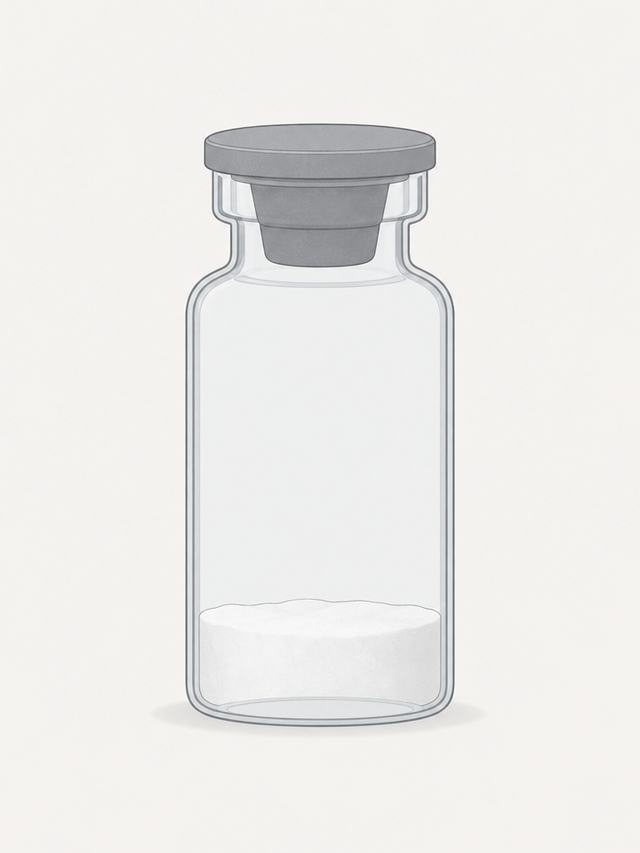
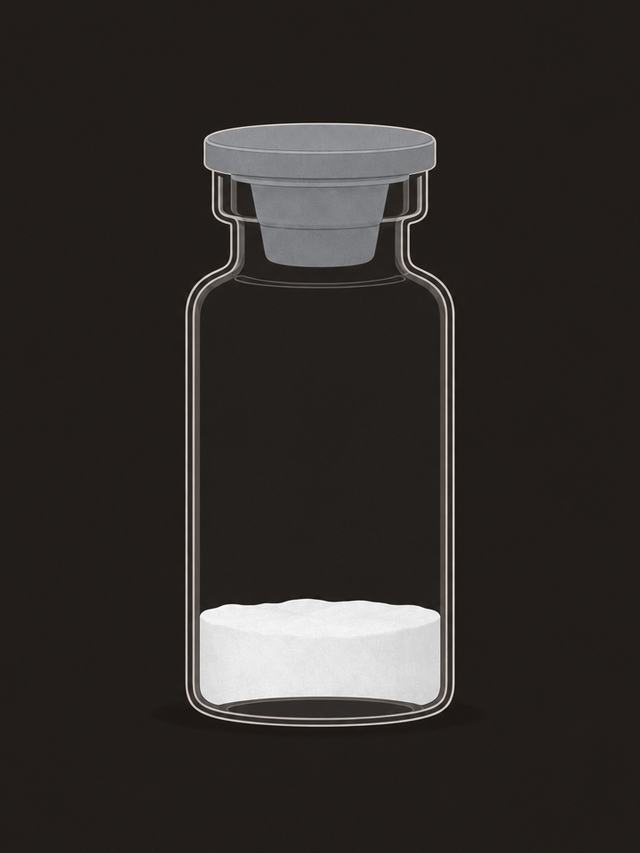
The plate shows six things that may be wrong with a vial from outside a pharmacy, from what is in it to what was never tested.
Key
- Marker 1: May not be what the label says The FDA warns that one name can cover different salt forms, or even a different active substance. A French lab found that products sold as TB-500 did not always match their description.
- Marker 2: The amount may differ from the label A 2026 study in Australia tested 3 products sold as retatrutide. They held from about half to almost twice the amount on the label. The TB-500 certificates the FDA saw did not check the amount.
- Marker 3: May hold near-copies and leftover chemicals Making a peptide can leave chains that are too short or slightly wrong, plus leftover solvents and other chemicals. Most certificates the FDA saw gave the purity but did not say which impurities were there.
- Marker 4: May not be tested for bacterial toxins (endotoxin) For anything injected, the FDA says this test is key. The certificates it saw for BPC-157 and TB-500 did not have it.
- Marker 5: May not be tested for germs For injections, the FDA says germ tests are key too. The certificates it saw for BPC-157, KPV and TB-500 showed no germ tests.
- Marker 6: Clumps may make immune reactions more likely Peptides can stick together into clumps. The FDA says clumps and impurities may raise the risk of an immune reaction, from harmless to life-threatening. No study has tested this for BPC-157, KPV or TB-500.
In words
The picture shows one small glass vial with a grey rubber stopper and some white powder at the bottom. It has no label. Six numbers show what may be wrong with a vial like this when it is bought online. Number 1, on the glass where a label would be: it may not be what the label says. The FDA warns that one name can cover different salt forms, or even a different active substance. A French lab found that products sold as TB-500 did not always match their description. Number 2, on the powder: the amount may differ from the label. A 2026 study in Australia tested 3 products sold as retatrutide. They held from about half to almost twice the amount on the label. The TB-500 certificates the FDA saw did not check the amount. Number 3, on the powder: making a peptide can leave chains that are too short or slightly wrong, plus leftover solvents and other chemicals. Most certificates the FDA saw gave the purity but did not say which impurities were there. Number 4, inside the vial: it may not have been tested for bacterial toxins, called endotoxin. For anything injected, the FDA says this test is key, and the certificates it saw for BPC-157 and TB-500 did not have it. Number 5, inside the vial: it may not have been tested for germs. For injections the FDA says germ tests are key too, and the certificates it saw for BPC-157, KPV and TB-500 showed no germ tests. Number 6, on the powder: peptides can stick together into clumps. The FDA says clumps and impurities may raise the risk of an immune reaction, from harmless to life-threatening. No study has tested this for BPC-157, KPV or TB-500. That is why number 6 has a different colour: it is a possible risk, not a proven one.
Based on: FDA Briefing Document for BPC-157-Related Bulk Drug Substances (BPC-157 (free base) and BPC-157 acetate), Pharmacy Compounding Advisory Committee meeting, 23–24 July 2026[16]; FDA Briefing Document for KPV-Related Bulk Drug Substances (KPV (free base) and KPV acetate), Pharmacy Compounding Advisory Committee meeting, 23-24 July 2026; FDA Briefing Document for TB-500-Related Bulk Drug Substances (TB-500 (free base) and TB-500 acetate), Pharmacy Compounding Advisory Committee meeting, 23–24 July 2026[7]; Piatkowski et al. (2026); Delcourt et al. (2023)[21]
AI-generated illustration (gpt-image-2.5-sunburst-2026-09-08, 21 October 2026) CC BY 4.0 Image details The picture contains no text; the numbers and labels are added by this site.
Pregnancy and development
There are no reproductive or developmental studies of TB-500.7 Cell movement and vessel growth are central to how an embryo forms, and the role of thymosin beta-4 in heart development is disputed.37,38
If someone is going to do this anyway
This section exists to reduce harm. It gives no doses, schedules or sourcing advice, and it is not a recommendation to use this compound.
How can someone lower the risk?
If your product did not come from a pharmacy: check before you use it
These checks can show that something is wrong. None of them can show that a product is good or free of germs.96,97,98
Tick each box when you have checked it.
-
A lab report proves little if:
- its batch number is not the one on your vial;
- it does not name the lab, or has no date or signature;
- it shows only purity (HPLC), with no test of what it is, such as mass spectrometry;
- it has no test for germs (sterility) or for toxins from germs (endotoxin).
Even a full report covers only one sample. A report from the seller comes from someone who gains if it looks good. It cannot show that your vial is clean.105,106,16,7,107
Talk to a doctor first
A doctor can check for the conditions where the theoretical risks matter most: cancer, pregnancy and allergies. A doctor can also make sure the injury is properly diagnosed. A torn tendon or ligament may need a scan, or surgery within weeks. Using a peptide instead of a diagnosis can delay care that works. See talking to your doctor.
Sources 116, 118, 7, 6, 16, 120, 64
Stop-now warning signs
Call your local emergency number now
- Confusion or slurred speech, very fast breathing, or pale, blue or blotchy skin, often with fever or shivering These can be signs of sepsis: the body's reaction to an infection has started to damage its own organs.
- Fainting and not waking up within a minute, or fainting with chest pain, a racing heart or a fit This can be a dangerous heart rhythm or a severe allergic reaction.
- Pain at the injection spot that is much worse than it looks, or dark, purple or grey patches or blisters there This can be a rare, fast-spreading infection of the deep layers under the skin (necrotising fasciitis).
- Swelling of the lips, tongue or throat, trouble breathing or swallowing, wheezing, a hoarse voice, or feeling faint, soon after an injection This can be a severe allergic reaction (anaphylaxis), which is life-threatening and gets worse very quickly.
Get medical help today
- Fever, shivering or feeling very ill in the days after an injection Germs from the needle, the skin or the product may have reached your blood. If you also have a fast heartbeat or fast breathing, call your local emergency number.
- Redness, heat, swelling or pain around the injection spot that keeps growing or getting worse This can be a skin infection (cellulitis), which needs antibiotics before it spreads.
- Red lines that run from the injection spot towards the armpit or groin The infection may be spreading along the lymph vessels, and from there into the blood. If you also have a fever with a fast heartbeat or fast breathing, call your local emergency number.
- A painful, warm lump that fills with pus This is probably an abscess: it often needs draining by a doctor, so do not squeeze it.
- You were pricked by a needle that someone else had used Blood on a used needle can pass on HIV and hepatitis B or C, and preventive treatment works best within hours.
Stop and contact a doctor
- You fainted, but woke up quickly and now feel well Fainting is often harmless, but a doctor should check the cause.
- A new mole, or a mole that changes size, shape or colour, itches or bleeds A changing mole can be skin cancer, and tanning peptides such as melanotan II have been linked to new and changing moles in case reports.
- A lump at an injection spot that does not go away, or keeps growing A doctor should check whether it is an abscess, a reaction to the product or something else.
- An itchy, raised rash, or puffy eyes or lips, while breathing stays normal Your body may be reacting to the product, and using it again can bring the reaction back.
In detail: What you cannot know about the product , about 1 minute to read
A vial labelled TB-500 may hold a different peptide, a different salt, or more or less than the label says. It may also hold near-copies of the chain, solvents or bacterial toxins. No regulator has checked it (see product risk). If you inject anything, follow sterile technique and injection safety. A dirty product or needle can cause an infection.
In detail: Checks that make sense, and why , about 1 minute to read
There is no blood test that shows whether TB-500 is working or harming you. No organ is known to be at special risk, because no toxicology studies exist. A doctor can help you choose which of these fit you:
- Cancer screening that is due for your age, because of the theoretical effect on tumour growth and spread.
- Any lump, unexplained weight loss or bleeding checked first.
- Any mole that changes checked, because one animal study of cancer spread used melanoma cells.
- A note of exactly what you used and when, so a doctor can link any reaction to it.
In detail: Interactions, and who should not use it at all , about 2 minutes to read
Plausible interactions (none has been studied)
- Other peptides in blends, such as BPC-157. They add a second unknown, make any reaction impossible to trace, and gave no extra benefit in rats.18,16
- Cancer medicines that block blood-vessel growth, because the whole protein pushes vessel growth the other way.64
- ACE inhibitors (a type of blood pressure medicine), but only if the vial contains the whole protein. ACE breaks down Ac-SDKP, and one dose of an ACE inhibitor raised blood Ac-SDKP about 5.5-fold in 8 healthy people.121,35 What that means for someone injecting the protein is unknown. TB-500 itself cannot form Ac-SDKP.
Who should not use it at all
- Anyone pregnant, breastfeeding or trying to conceive: there are no reproductive studies, and cell movement and vessel growth are central to a developing baby.
- Anyone with cancer, a history of cancer or an unexplained lump, because of the effects on cell movement, spread and vessels described above.
- Children and teenagers, whose bodies are still growing and for whom there are no data.
- People who have had severe allergic reactions, or who have a mast-cell disorder, because the fragment triggered mast cells in the lab.
- Athletes subject to anti-doping rules, because it is prohibited at all times.
Sources
Every claim on this page links to one of these sources. Scholarly sources link to their DOI; regulatory sources to the regulator's own page.
In detail: All 121 sources, numbered as in the text , about 20 minutes to read
- (2026). ChEMBL compound report cards: CHEMBL4594313 (timbetasin) and CHEMBL4594314 (timbetasin acetate). ChEMBL. Dataset ebi.ac.uk (opens an external site) — accessed 20 October 2026 ↩
- (1991). Thymosin beta 4 and Fx, an actin-sequestering peptide, are indistinguishable. Journal of Biological Chemistry 266:4029-4032. Research article PMID 1999398 (opens an external site) ↩
- (2009). The beta-thymosins: intracellular and extracellular activities of a versatile actin binding protein family. Cell Motility and the Cytoskeleton 66:839-851. Review doi:10.1002/cm.20371 (opens an external site) ↩
- (2012). Synthesis and characterization of the N-terminal acetylated 17-23 fragment of thymosin beta 4 identified in TB-500, a product suspected to possess doping potential. Drug Testing and Analysis 4:733-738. Research article doi:10.1002/dta.1402 (opens an external site) ↩
- (2026). PubChem Compound Summary for CID 62707662 (TB-500; Ac-Leu-Lys-Lys-Thr-Glu-Thr-Gln-OH). PubChem. Dataset pubchem.ncbi.nlm.nih.gov (opens an external site) — accessed 20 October 2026 ↩
- (2007). Thymosin beta4 and thymosin beta4-derived peptides induce mast cell exocytosis. Peptides 28:752-759. Research article doi:10.1016/j.peptides.2007.01.004 (opens an external site) ↩
- (2026). FDA Briefing Document for TB-500-Related Bulk Drug Substances (TB-500 (free base) and TB-500 acetate), Pharmacy Compounding Advisory Committee meeting, 23–24 July 2026. Regulator fda.gov (opens an external site) — accessed 20 October 2026 ↩
- (2010). Biological activities of thymosin beta4 defined by active sites in short peptide sequences. FASEB Journal 24:2144-2151. Review doi:10.1096/fj.09-142307 (opens an external site) ↩
- (2022). NCT02974907: ARISE-2, RGN-259 ophthalmic solution for dry eye (phase 3, ReGenTree), results posted. Trial registration clinicaltrials.gov (opens an external site) — accessed 20 October 2026 ↩
- (2026). NCT03937882: ARISE-3, RGN-259 ophthalmic solution for dry eye (phase 3, ReGenTree), results posted. Trial registration clinicaltrials.gov (opens an external site) — accessed 20 October 2026 ↩
- (2010). NCT00382174: Thymosin beta 4 in patients with pressure ulcers (phase 2, RegeneRx), results posted. Trial registration clinicaltrials.gov (opens an external site) — accessed 20 October 2026 ↩
- (2010). NCT00832091: Thymosin beta 4 in patients with venous stasis ulcers (phase 2, RegeneRx with sigma-tau), results posted. Trial registration clinicaltrials.gov (opens an external site) — accessed 20 October 2026 ↩
- (2026). NCT07487363: 'TB-500 (Thymosin Beta 4 17-23 Fragment) for Cardiovascular Biomarkers in Stable ASCVD' (TBRIDGE-CV). Trial registration clinicaltrials.gov (opens an external site) — accessed 20 October 2026 ↩
- (2026). Medicines (search of centrally authorised medicines and EPARs). Regulator ema.europa.eu (opens an external site) — accessed 20 October 2026 ↩
- (2026). Medicines data download (JSON report of all EPARs: authorised, refused, withdrawn and suspended medicines). Dataset ema.europa.eu (opens an external site) — accessed 20 October 2026 ↩
- (2026). FDA Briefing Document for BPC-157-Related Bulk Drug Substances (BPC-157 (free base) and BPC-157 acetate), Pharmacy Compounding Advisory Committee meeting, 23–24 July 2026. Regulator fda.gov (opens an external site) — accessed 20 October 2026 ↩
- (2012). Doping control analysis of TB-500, a synthetic version of an active region of thymosin β₄, in equine urine and plasma by liquid chromatography-mass spectrometry. Journal of Chromatography A 1265:57-69. Research article doi:10.1016/j.chroma.2012.09.043 (opens an external site) ↩
- (2026). Effects of BPC-157 and TB-500 on Achilles tendon healing in rats: A histopathological and biomechanical study. Joint Diseases and Related Surgery 37:822-837. Research article doi:10.52312/jdrs.2026.2951 (opens an external site) ↩
- (1981). Complete amino acid sequence of bovine thymosin beta 4: a thymic hormone that induces terminal deoxynucleotidyl transferase activity in thymocyte populations. Proceedings of the National Academy of Sciences of the United States of America 78:1162-1166. Research article doi:10.1073/pnas.78.2.1162 (opens an external site) ↩
- (2003). Thymosin beta 4 and a synthetic peptide containing its actin-binding domain promote dermal wound repair in db/db diabetic mice and in aged mice. Wound Repair and Regeneration 11:19-24. Research article doi:10.1046/j.1524-475x.2003.11105.x (opens an external site) ↩
- (2023). TB500/TB1000 and SGF1000: A scientific approach for a better understanding of misbranded and adulterated drugs. Drug Testing and Analysis 15:458-464. Research article doi:10.1002/dta.3421 (opens an external site) ↩
- (2025). Equine Doping Controls of Thymosin β 4: A Population Study and Strategy for Misuse Detection. Drug Testing and Analysis 17:1071-1077. Research article doi:10.1002/dta.3806 (opens an external site) ↩
- (2014). Identification of black market products and potential doping agents in Germany 2010-2013. European Journal of Clinical Pharmacology 70:1303-1311. Research article doi:10.1007/s00228-014-1743-5 (opens an external site) ↩
- (2024). Simultaneous quantification of TB-500 and its metabolites in in-vitro experiments and rats by UHPLC-Q-Exactive orbitrap MS/MS and their screening by wound healing activities in-vitro. Journal of Chromatography B, Analytical Technologies in the Biomedical and Life Sciences 1235:124033. Research article doi:10.1016/j.jchromb.2024.124033 (opens an external site) ↩
- (1987). Determination of thymosin beta 4 in human blood cells and serum. Journal of Chromatography 397:279-285. Research article doi:10.1016/s0021-9673(01)85010-x (opens an external site) ↩
- (2012). The regenerative peptide thymosin β4 accelerates the rate of dermal healing in preclinical animal models and in patients. Annals of the New York Academy of Sciences 1270:37-44. Review doi:10.1111/j.1749-6632.2012.06717.x (opens an external site) ↩
- (2005). Thymosin beta4: actin-sequestering protein moonlights to repair injured tissues. Trends in Molecular Medicine 11:421-429. Review doi:10.1016/j.molmed.2005.07.004 (opens an external site) ↩
- (2011). Regenerative protein thymosin beta-4 is a novel regulator of purinergic signaling. FASEB Journal 25:907-915. Research article doi:10.1096/fj.10-169417 (opens an external site) ↩
- (2013). Doping control analysis of seven bioactive peptides in horse plasma by liquid chromatography-mass spectrometry. Analytical and Bioanalytical Chemistry 405:2595-2606. Research article doi:10.1007/s00216-012-6697-9 (opens an external site) ↩
- (2016). Comparison of various in vitro model systems of the metabolism of synthetic doping peptides: Proteolytic enzymes, human blood serum, liver and kidney microsomes and liver S9 fraction. Journal of Proteomics 149:85-97. Research article doi:10.1016/j.jprot.2016.08.016 (opens an external site) ↩
- (2015). In vitro models for metabolic studies of small peptide hormones in sport drug testing. Journal of Peptide Science 21:1-9. Research article doi:10.1002/psc.2710 (opens an external site) ↩
- (1999). Thymosin beta4 accelerates wound healing. Journal of Investigative Dermatology 113:364-368. Research article doi:10.1046/j.1523-1747.1999.00708.x (opens an external site) ↩
- (2018). Thymosin β4 inhibits PDGF-BB induced activation, proliferation, and migration of human hepatic stellate cells via its actin-binding domain. Expert Opinion on Biological Therapy 18:177-184. Research article doi:10.1080/14712598.2018.1478961 (opens an external site) ↩
- (1990). Involvement of thymosin beta 4 and endoproteinase Asp-N in the biosynthesis of the tetrapeptide AcSerAspLysPro a regulator of the hematopoietic system. FEBS Letters 274:30-34. Research article doi:10.1016/0014-5793(90)81322-f (opens an external site) ↩
- (2004). Prolyl oligopeptidase is involved in release of the antifibrotic peptide Ac-SDKP. Hypertension 43:1140-1145. Research article doi:10.1161/01.HYP.0000126172.01673.84 (opens an external site) ↩
- (2004). Thymosin beta4 activates integrin-linked kinase and promotes cardiac cell migration, survival and cardiac repair. Nature 432:466-472. Research article doi:10.1038/nature03000 (opens an external site) ↩
- (2007). Thymosin beta4 induces adult epicardial progenitor mobilization and neovascularization. Nature 445:177-182. Research article doi:10.1038/nature05383 (opens an external site) ↩
- (2012). Thymosin beta 4 is dispensable for murine cardiac development and function. Circulation Research 110:456-464. Research article doi:10.1161/CIRCRESAHA.111.258616 (opens an external site) ↩
- (2013). Thymosin β4 is not required for embryonic viability or vascular development. Circulation Research 112:e25-e28. Research article doi:10.1161/CIRCRESAHA.111.300197 (opens an external site) ↩
- (2026). Case Report: Regenerative peptides for Inferior alveolar nerve injury: a narrative review with hypothesis-generating three clinical cases. Frontiers in Oral Health 7:1907109. Research article doi:10.3389/froh.2026.1907109 (opens an external site) ↩
- (2021). Intra-Articular Injection of BPC 157 for Multiple Types of Knee Pain. Alternative Therapies in Health and Medicine 27:8-13. Research article PMID 34324435 (opens an external site) ↩
- (2010). A randomized, placebo-controlled, single and multiple dose study of intravenous thymosin beta4 in healthy volunteers. Annals of the New York Academy of Sciences 1194:223-229. Clinical trial doi:10.1111/j.1749-6632.2010.05474.x (opens an external site) ↩
- (2021). A first-in-human, randomized, double-blind, single- and multiple-dose, phase I study of recombinant human thymosin β4 in healthy Chinese volunteers. Journal of Cellular and Molecular Medicine 25:8222-8228. Clinical trial doi:10.1111/jcmm.16693 (opens an external site) ↩
- (2026). Thymosin β4-derived peptides alleviate neuroinflammation and neurite atrophy in both in vitro models and in vivo 5 × FAD mice: A potential therapy for memory improvement in Alzheimer's disease. International Immunopharmacology 170:116097. Research article doi:10.1016/j.intimp.2025.116097 (opens an external site) ↩
- (2007). Development of thymosin beta4 for treatment of patients with ischemic heart disease. Annals of the New York Academy of Sciences 1112:385-395. Research article doi:10.1196/annals.1415.051 (opens an external site) ↩
- (2021). NCT01311518: RGN-352 (injectable thymosin beta 4) in acute ST-elevation myocardial infarction (phase 2, RegeneRx). Trial registration clinicaltrials.gov (opens an external site) — accessed 20 October 2026 ↩
- (2025). Recombinant human thymosin beta 4 improves ischemic cardiac dysfunction in mice and patients with acute ST-segment elevation myocardial infarction after reperfusion. Cardiovascular Research 121:2747-2758. Clinical trial doi:10.1093/cvr/cvaf223 (opens an external site) ↩
- (2022). NCT05485818: Phase IIa study of injectable recombinant human thymosin beta 4 in acute myocardial infarction (Beijing Northland Biotech). Trial registration clinicaltrials.gov (opens an external site) — accessed 20 October 2026 ↩
- (2024). NCT05984134: Phase IIb study of recombinant human thymosin β4 (NL005) in acute myocardial infarction (Beijing Northland Biotech). Trial registration clinicaltrials.gov (opens an external site) — accessed 20 October 2026 ↩
- (2010). The effect of thymosin treatment of venous ulcers. Annals of the New York Academy of Sciences 1194:207-212. Clinical trial doi:10.1111/j.1749-6632.2010.05490.x (opens an external site) ↩
- (2014). NCT00311766: Thymosin beta 4 for wound healing in epidermolysis bullosa (phase 2, RegeneRx), results posted. Trial registration clinicaltrials.gov (opens an external site) — accessed 20 October 2026 ↩
- (2022). NCT03578029: CELEB, RGN-137 topical gel in junctional and dystrophic epidermolysis bullosa (phase 2, Lenus Therapeutics). Trial registration clinicaltrials.gov (opens an external site) — accessed 20 October 2026 ↩
- (2010). Treatment of chronic nonhealing neurotrophic corneal epithelial defects with thymosin beta4. Annals of the New York Academy of Sciences 1194:199-206. Research article doi:10.1111/j.1749-6632.2010.05471.x (opens an external site) ↩
- (2015). Thymosin beta 4 ophthalmic solution for dry eye: a randomized, placebo-controlled, Phase II clinical trial conducted using the controlled adverse environment (CAE™) model. Clinical Ophthalmology 9:877-884. Clinical trial doi:10.2147/OPTH.S80954 (opens an external site) ↩
- (2015). Thymosin β4 significantly improves signs and symptoms of severe dry eye in a phase 2 randomized trial. Cornea 34:491-496. Clinical trial doi:10.1097/ICO.0000000000000379 (opens an external site) ↩
- (2019). NCT02597803: ARISE-1, RGN-259 ophthalmic solution for dry eye (phase 2/3, ReGenTree). Trial registration clinicaltrials.gov (opens an external site) — accessed 20 October 2026 ↩
- (2015). NCT00598871: Thymosin beta 4 eye drops for corneal wounds in diabetic patients after vitrectomy (phase 2), results posted. Trial registration clinicaltrials.gov (opens an external site) — accessed 20 October 2026 ↩
- (2022). 0.1% RGN-259 (Thymosin ß4) Ophthalmic Solution Promotes Healing and Improves Comfort in Neurotrophic Keratopathy Patients in a Randomized, Placebo-Controlled, Double-Masked Phase III Clinical Trial. International Journal of Molecular Sciences 24:554. Clinical trial doi:10.3390/ijms24010554 (opens an external site) ↩
- (2023). NCT02600429: SEER-1, RGN-259 for neurotrophic keratopathy (phase 3, ReGenTree), results posted. Trial registration clinicaltrials.gov (opens an external site) — accessed 20 October 2026 ↩
- (2025). Medical and surgical interventions for neurotrophic keratopathy. Cochrane Database of Systematic Reviews 12:CD015723. Meta-analysis doi:10.1002/14651858.CD015723.pub2 (opens an external site) ↩
- (2025). NCT05555589: SEER-2, 0.1% RGN-259 for neurotrophic keratopathy (phase 3, ReGenTree). Trial registration clinicaltrials.gov (opens an external site) — accessed 20 October 2026 ↩
- (2026). NCT07586865: Phase IIc study of recombinant human thymosin beta 4 injection (NL005) in acute myocardial infarction (Beijing Northland Biotech). Trial registration clinicaltrials.gov (opens an external site) — accessed 20 October 2026 ↩
- (2016). NCT02668055: Slow-release Tβ4 collagen and chitosan sponge skin substitute for difficult-to-heal wounds (phase 1, Chinese PLA General Hospital). Trial registration clinicaltrials.gov (opens an external site) — accessed 20 October 2026 ↩
- (2003). Role of thymosin beta4 in tumor metastasis and angiogenesis. Journal of the National Cancer Institute 95:1674-1680. Research article doi:10.1093/jnci/djg100 (opens an external site) ↩
- (2002). Thymosin-beta4 regulates motility and metastasis of malignant mouse fibrosarcoma cells. American Journal of Pathology 160:869-882. Research article doi:10.1016/s0002-9440(10)64910-3 (opens an external site) ↩
- (2021). Effects of thymosin β4-derived peptides on migration and invasion of ovarian cancer cells. Genes & Genomics 43:987-993. Research article doi:10.1007/s13258-021-01127-7 (opens an external site) ↩
- (2026). Orphan designations data download (JSON report of all EU orphan designations). Dataset ema.europa.eu (opens an external site) — accessed 20 October 2026 ↩
- (2026). Geneesmiddeleninformatiebank (database of medicines authorised in the Netherlands). Regulator geneesmiddeleninformatiebank.nl (opens an external site) — accessed 20 October 2026 ↩
- (2007). Geneesmiddelenwet (BWBR0021505). wetten.overheid.nl. Law wetten.overheid.nl (opens an external site) — accessed 20 October 2026 ↩
- (2026). Bulk Drug Substances Used in Compounding Under Section 503A of the FD&C Act. Regulator fda.gov (opens an external site) — accessed 20 October 2026 ↩
- (2026). July 23-24, 2026: Meeting of the Pharmacy Compounding Advisory Committee. Regulator fda.gov (opens an external site) — accessed 20 October 2026 ↩
- (2026). Questions, Pharmacy Compounding Advisory Committee meeting, 23–24 July 2026. Regulator fda.gov (opens an external site) — accessed 20 October 2026 ↩
- (2026). FDA Briefing Document Introduction, Pharmacy Compounding Advisory Committee meeting, 23–24 July 2026. Regulator fda.gov (opens an external site) — accessed 20 October 2026 ↩
- (2026). FDA Presentations, Pharmacy Compounding Advisory Committee meeting, 23 July 2026. Regulator fda.gov (opens an external site) — accessed 20 October 2026 ↩
- (2017). Summary of Major Modifications and Explanatory Notes, 2018 Prohibited List. Regulator wada-ama.org (opens an external site) — accessed 20 October 2026 ↩
- (2025). World Anti-Doping Code International Standard: Prohibited List 2026. Regulator wada-ama.org (opens an external site) — accessed 20 October 2026 ↩
- (2026). World Anti-Doping Code International Standard: Prohibited List 2027 (in effect 1 January 2027). Regulator wada-ama.org (opens an external site) — accessed 20 October 2026 ↩
- (2026). Arzneimittelgesetz (AMG), § 21 Zulassungspflicht. gesetze-im-internet.de. Law gesetze-im-internet.de (opens an external site) — accessed 20 October 2026 ↩
- (2023). Gesetz gegen Doping im Sport (Anti-Doping-Gesetz – AntiDopG), Anlage (zu § 2 Absatz 3). gesetze-im-internet.de. Law gesetze-im-internet.de (opens an external site) — accessed 20 October 2026 ↩
- (2026). Gesetz gegen Doping im Sport (Anti-Doping-Gesetz – AntiDopG), § 2 Unerlaubter Umgang mit Dopingmitteln. gesetze-im-internet.de. Law gesetze-im-internet.de (opens an external site) — accessed 20 October 2026 ↩
- (2023). Verordnung zur Festlegung der nicht geringen Menge von Dopingmitteln (Dopingmittel-Mengen-Verordnung – DmMV) vom 10. März 2023. gesetze-im-internet.de (BGBl. 2023 I Nr. 67, S. 5). Law gesetze-im-internet.de (opens an external site) — accessed 22 October 2026 ↩
- (1964). Wet van 25 maart 1964 op de geneesmiddelen voor menselijk gebruik, artikel 6 § 1 (vergunning voor het in de handel brengen vereist). ejustice.just.fgov.be. Law ejustice.just.fgov.be (opens an external site) — accessed 20 October 2026 ↩
- (2012). The Human Medicines Regulations 2012 (SI 2012/1916), regulation 46: Requirement for authorisation. legislation.gov.uk. Law legislation.gov.uk (opens an external site) — accessed 20 October 2026 ↩
- (2026). Certain Bulk Drug Substances for Use in Compounding that May Present Significant Safety Risks. Regulator fda.gov (opens an external site) — accessed 20 October 2026 ↩
- (2026). Bulk Drug Substances Nominated for Use in Compounding Under Section 503A of the Federal Food, Drug, and Cosmetic Act (categories 1–3), updated 14 May 2026. Regulator fda.gov (opens an external site) — accessed 20 October 2026 ↩
- (2026). FDA Briefing Document for Semax-Related Bulk Drug Substances (Semax (free base) and Semax acetate), Pharmacy Compounding Advisory Committee meeting, 23–24 July 2026. Regulator fda.gov (opens an external site) — accessed 22 October 2026 ↩
- (2026). Federal Register document search, 20 October 2026: "bulk drug substances", published from 24 July 2026 — no proposed or final rule on the 503A bulks list. Federal Register. Dataset federalregister.gov (opens an external site) — accessed 20 October 2026 ↩
- (2017). Therapeutic potential of pro-angiogenic BPC157 is associated with VEGFR2 activation and up-regulation. Journal of Molecular Medicine 95:323-333. Research article doi:10.1007/s00109-016-1488-y (opens an external site) ↩
- (2009). Modulatory effect of gastric pentadecapeptide BPC 157 on angiogenesis in muscle and tendon healing. Journal of Physiology and Pharmacology 60 Suppl 7:191-196. Research article PMID 20388964 (opens an external site) ↩
- (2003). Gastric pentadecapeptide BPC 157 accelerates healing of transected rat Achilles tendon and in vitro stimulates tendocytes growth. Journal of Orthopaedic Research 21:976-983. Research article doi:10.1016/S0736-0266(03)00110-4 (opens an external site) ↩
- (2011). Hallmarks of cancer: the next generation. Cell 144:646-674. Review doi:10.1016/j.cell.2011.02.013 (opens an external site) ↩
- (2011). Molecular mechanisms and clinical applications of angiogenesis. Nature 473:298-307. Review doi:10.1038/nature10144 (opens an external site) ↩
- (2004). Overexpression of the thymosin beta-4 gene is associated with increased invasion of SW480 colon carcinoma cells and the distant metastasis of human colorectal carcinoma. Oncogene 23:6666-6671. Research article doi:10.1038/sj.onc.1207888 (opens an external site) ↩
- (2007). Thymosin beta4 triggers an epithelial-mesenchymal transition in colorectal carcinoma by upregulating integrin-linked kinase. Oncogene 26:2781-2790. Research article doi:10.1038/sj.onc.1210078 (opens an external site) ↩
- (2013). Roles and mechanisms of β-thymosins in cell migration and cancer metastasis: an update. Cancer Investigation 31:103-110. Review doi:10.3109/07357907.2012.756111 (opens an external site) ↩
- (2026). Online medicijnen. Regulator igj.nl (opens an external site) — accessed 22 October 2026 ↩
- (2024). Multifactor Quality and Safety Analysis of Semaglutide Products Sold by Online Sellers Without a Prescription: Market Surveillance, Content Analysis, and Product Purchase Evaluation Study. Journal of Medical Internet Research 26:e65440. Research article doi:10.2196/65440 (opens an external site) ↩
- (2013). Fungal infections associated with contaminated methylprednisolone injections. The New England Journal of Medicine 369:1598-1609. Research article doi:10.1056/NEJMoa1213978 (opens an external site) ↩
- (2020). BeSafeRx: Considering an Online Pharmacy?. Regulator fda.gov (opens an external site) — accessed 22 October 2026 ↩
- (2026). Sterile Water for Injection, USP: prescribing information. Official product information dailymed.nlm.nih.gov (opens an external site) — accessed 20 October 2026 ↩
- (2010). WHO best practices for injections and related procedures toolkit (WHO/EHT/10.02). World Health Organization, Geneva. Report who.int (opens an external site) — accessed 20 October 2026 ↩
- (2001). Directive 2001/83/EC on the Community code relating to medicinal products for human use (consolidated text). Official Journal of the European Communities, L 311. Law eur-lex.europa.eu (opens an external site) — accessed 20 October 2026 ↩
- (2026). EGRIFTA SV (tesamorelin for injection): prescribing information and instructions for use. Official product information dailymed.nlm.nih.gov (opens an external site) — accessed 20 October 2026 ↩
- (2026). Wegovy (semaglutide): EPAR — overview and product information. Official product information ema.europa.eu (opens an external site) — accessed 20 October 2026 ↩
- (2000). ICH Q7 Good manufacturing practice for active pharmaceutical ingredients (CPMP/ICH/4106/00). European Medicines Agency, scientific guideline. Regulator ema.europa.eu (opens an external site) — accessed 22 October 2026 ↩
- (2025). Guideline on the Development and Manufacture of Synthetic Peptides (EMA/CHMP/CVMP/QWP/367182/2025). European Medicines Agency. Regulator ema.europa.eu (opens an external site) — accessed 22 October 2026 ↩
- (2018). Impurity profiling of the most frequently encountered falsified polypeptide drugs on the Belgian market. Talanta 188:795-807. Research article doi:10.1016/j.talanta.2018.06.023 (opens an external site) ↩
- (2026). FDA's concerns with unapproved GLP-1 drugs used for weight loss. Regulator fda.gov (opens an external site) — accessed 20 October 2026 ↩
- (2010). Stability of protein pharmaceuticals: an update. Pharmaceutical Research 27:544-575. Review doi:10.1007/s11095-009-0045-6 (opens an external site) ↩
- (2024). Preventing Unsafe Injection Practices. Regulator cdc.gov (opens an external site) — accessed 20 October 2026 ↩
- (2025). Poisoning. Web page nhs.uk (opens an external site) — accessed 22 October 2026 ↩
- (2026). Hypoglycaemic coma induced by a falsified semaglutide product: a case report. European Journal of Hospital Pharmacy 33:486-489. Research article doi:10.1136/ejhpharm-2025-004656 (opens an external site) ↩
- (2024). Ik ga naar de huisarts: wat kan ik van tevoren doen en verwachten?. Web page thuisarts.nl (opens an external site) — accessed 22 October 2026 ↩
- (2026). Toxicity linked to unapproved peptide product labelled Retatrutide (health alert). Regulator health.vic.gov.au (opens an external site) — accessed 22 October 2026 ↩
- (2024). Medisch beroepsgeheim: wat en waarom. Web page knmg.nl (opens an external site) — accessed 20 October 2026 ↩
- (2024). Cellulitis. Web page nhs.uk (opens an external site) — accessed 20 October 2026 ↩
- (2026). Sepsis. Web page nhs.uk (opens an external site) — accessed 20 October 2026 ↩
- (2023). Anaphylaxis. Web page nhs.uk (opens an external site) — accessed 20 October 2026 ↩
- (2025). Cancer. Web page nhs.uk (opens an external site) — accessed 21 October 2026 ↩
- (2023). Moles. Web page nhs.uk (opens an external site) — accessed 20 October 2026 ↩
- (1996). Acute angiotensin-converting enzyme inhibition increases the plasma level of the natural stem cell regulator N-acetyl-seryl-aspartyl-lysyl-proline. Journal of Clinical Investigation 97:839-844. Research article doi:10.1172/JCI118484 (opens an external site) ↩