Melanocortin
PT-141 (bremelanotide)
A US medicine for low desire in women. Not approved in the EU. It briefly raises blood pressure.
Authorised outside the EU
At a glance
- Is it an approved medicine?
- Not in the EU. Approved only in some countries outside the EU.
- Has it been tested in people?
- Yes. Large trials in many people, checked by regulators.
- Is it allowed in sport?
- Unclear. Not named on the anti-doping list. Ask your anti-doping organisation before using it in sport. Regulatory status
- What is the biggest risk?
- Blood pressure rises for hours; many feel sick; skin can darken. More about the risks
Status checked on . The details and sources are further down this page.
Stop and get help if you notice
- Chest pain, pressure or tightness2,89
- A sudden bad headache, or blurred vision91,92,2
- An erection lasting more than 3 hours63,18
If it is severe, call your local emergency number.
All warning signs, further down this page Warning signs for any peptide
The 30-second version
About 8 minutes for the short version; 39 with every detail open.
- PT-141 is bremelanotide. In the US it is a prescription medicine called Vyleesi.
- It treats low sexual desire in women before menopause. It is not approved in the EU or UK.
- In trials, desire rose a little more than with placebo. Satisfying sex did not happen more often.
- It raises blood pressure for some hours. Many people feel sick. It can darken patches of skin.
- Sprays and vials sold as PT-141 are not the US medicine. No regulator checked what is in them.
Fact sheet
- Class
- Melanocortin
- How it is taken
- Injection under the skin with a single-use pen
- When it is used
- As needed, before expected sex
- Time in the blood
- Half-life about 2.7 hours
- Approved for
- Low sexual desire in premenopausal women, in the US
- Status in the EU
- Not authorised
- Tested in people
- Yes
Label facts, not dosing advice. Sources are in the sections below.


Each section starts with the short answer. The rest is folded under “In detail”.
Evidence profile
Four separate questions. Not a score.
- Human clinical evidence How far has it been tested in people?
- Authorised by a regulator (step 6 of 6)
- Preclinical volume How much laboratory and animal research exists?
- Minimal (step 1 of 3)
- Source independence How many independent groups produced it?
- A few groups (step 2 of 3)
- Safety characterisation How well do we know the harms in humans?
- Partial (step 2 of 3)
In detail: Why these grades: the reason for each step , about 2 minutes to read
- Human clinical evidence
- Authorised in the US since 21 June 2019 (Vyleesi), on the basis of two identical randomised, double-blind phase 3 trials in 1,267 premenopausal women with acquired, generalised HSDD. Not authorised in the EU or the UK; the EMA's published lists show no application, refusal or withdrawal.
- Preclinical volume
- Minimal. A PubMed search on 22 October 2026 found 122 records naming bremelanotide or PT-141, but only about nine primary animal or laboratory studies: the developer's rat and monkey work, the female-rat studies, a hamster study, a receptor structure, cancer cells, dog absorption studies and a rabbit tissue study. The regulatory toxicology is known only from the FDA review and label. Melanotan II, which differs only at one end, has a larger animal literature that is not counted here.
- Source independence
- Few groups. Every trial used for approval, and the earlier dose-finding trial, was run and paid for by the developer (Palatin) or its licensee (AMAG). Independent groups contributed a receptor structure, an animal study that found no reward effect, a brain-scan trial co-funded by AMAG, a critical reanalysis of the phase 3 data, and the only large trial in men, which now carries an expression of concern.
- Safety characterisation
- Partial. About 3,500 people took part in 43 completed studies, and 1,247 women were in the 24-week placebo-controlled trials, followed by an open extension of up to 52 weeks. But use was mostly two or three times a month, women with heart disease or uncontrolled high blood pressure were excluded, no post-marketing safety study has been published, and the required pregnancy studies run until 2030.
We never add these up. A compound can have a large animal literature from one laboratory and no human data at all — that is a specific situation, and a single number would hide it. How we grade evidence
In detail: The molecule: amino-acid sequence and technical details , about 1 minute to read
Ac-Nle-cyclo[Asp-His-D-Phe-Arg-Trp-Lys]-OH
Read from the N-terminus (start) to the C-terminus (end).
- Modifications
- position 1: Nle (norleucine), a straight-chain building block not used in human proteins, carries an acetyl group at the start of the chain
- position 4: D-Phe: the mirror-image form of phenylalanine
- Ring closures
- 2–7 (lactam)
- D-form (mirror-image) amino acid
- D-Phe (4)
- non-standard amino acid
- Nle (1)
- Full name
- Bremelanotide (N-acetyl-norleucyl-cyclo[aspartyl-histidyl-D-phenylalanyl-arginyl-tryptophyl-lysine], free acid)
- International non-proprietary name
- bremelanotide
- Also called
- PT 141, bremelanotide acetate
- Authorised products
- Vyleesi
- Class
- Melanocortin
- Body systems
- Sexual function, Brain and nerves, Heart and blood vessels, Skin
- Formula
- C50H68N14O10
- Molecular mass
- 1,025.2 Da
What it actually is
What is PT-141?
| Vyleesi (US prescription medicine) | A spray or vial sold as “PT-141” outside the legal supply chain | |
|---|---|---|
| Checked by a regulator? | Yes Approved by the FDA since 2019; its label is kept up to date1,2 | No In August 2026 the FDA warned several online sellers that products including PT-141 are unapproved new drugs3 |
| Approved in the EU or the UK? | No No EU or UK product exists4,5 | No No regulator has assessed it3 |
| Amount per use known? | Yes A single-use pen with a fixed amount2 | No Depends on the product and on your own measuring; even the developer’s own nasal spray was absorbed very unevenly6 |
| Contents known? | Yes A sterile, clear liquid of known content2 | Unknown Not checked by a regulator; unknown samples seized by police in Italy were bremelanotide or its relative melanotan II7 |
| Official risk information? | Yes A label with warnings and a patient leaflet2 | No None |
PT-141 is the developer’s code name for bremelanotide.8,9 It is a real medicine with real trials, for one narrow use: low sexual desire that distresses women who have not yet gone through the menopause.2 It is on this site because sprays and vials sold online, outside the legal supply chain, carry the same name.3,7
In detail: The authorised product, and why this page looks different , about 2 minutes to read
The FDA approved Vyleesi on 21 June 2019.1 The applicant then was AMAG Pharmaceuticals, which had licensed North American rights from the developer, Palatin Technologies; Drugs@FDA now lists Cosette as the company.10,11,1 The application was not sent to an FDA advisory committee.10 At the time, one other medicine (flibanserin, Addyi) was approved in the US for the same condition.12,13
The label limits the approved use. It covers only acquired, generalised hypoactive sexual desire disorder (HSDD) in premenopausal women: low desire that began after a time of normal desire, happens in every situation and with every partner, causes marked distress, and is not explained by another illness, a medicine or problems in the relationship. It is not for women after the menopause, not for men, and “not indicated to enhance sexual performance”.2
In detail: The molecule, and its close relative melanotan II , about 1 minute to read
Bremelanotide is a chain of seven building blocks, six of which are closed into a ring: Ac-Nle-cyclo[Asp-His-D-Phe-Arg-Trp-Lys]-OH.2,8 The ring is a lactam bridge between the side chains of aspartic acid and lysine. The chain starts with norleucine carrying an acetyl group, contains the mirror-image form of phenylalanine (D-Phe), and ends in a free acid. Its formula is C50H68N14O10 and its mass 1025.2 Da; the medicine contains it as an acetate salt.2,8,14
It is a lab-made analogue of alpha-MSH, a hormone the body makes itself.11 After an injection under the skin, nearly all of it reaches the blood, and its half-life is about 2.7 hours.2
Melanotan II: one atom group apart
Melanotan II, a tanning peptide sold online, has exactly the same ring and chain. The only difference is the end: melanotan II ends in an amide (–NH2), bremelanotide in a free acid (–OH).8,15 Researchers describe PT-141 as “the carboxylate derivative” of melanotan II.16 The two act on the same receptor family, so findings about one are often relevant to the other. But the trials and the approval described on this page are for bremelanotide only. See melanotan II.
In detail: From a nasal spray for men to an injection for women , about 1 minute to read
Bremelanotide was first developed as a nasal spray for erectile dysfunction in men. In early studies it caused erections in men, also in men who had not responded well to Viagra.17,18 The first studies in women also used the nasal spray.19,12
The spray was then dropped. The FDA’s reviewers wrote that the developer moved to injections “due to variable systemic exposure via the intranasal route”.12 The developer’s own researchers explain why that mattered: some people absorbed much more than others, which could expose them to more side effects, including higher blood pressure.6 After the FDA raised concerns about blood pressure in the nasal-spray studies, the later trials monitored blood pressure closely.20 The FDA development file for erectile dysfunction in men (an investigational new drug application for the nasal spray) was withdrawn in 2017.12
How it works
What does it do in the body?
| Receptor | Where it sits | What happens | Where it was shown |
|---|---|---|---|
| MC4R | Nerve cells in the brain, including the hypothalamus | Desire scores rise a little; appetite falls; erections in men | Trials in people; brain areas in rats |
| MC4R | Brain circuits that control the sympathetic nervous system | Blood pressure rises for some hours; heart rate falls | Trials in people |
| MC1R | Pigment cells in skin and gums | Dark patches can appear, more with daily use | Trials in people |
| Link from receptor to desire | Not known | The label says the mechanism is unknown | Not shown |
Bremelanotide is thought to act mainly in the brain: in women, it did not change blood flow in the vagina during erotic videos. Its receptors there also help control appetite and blood pressure.2,22,19 This may explain why the wanted effect comes with side effects such as feeling sick, a rise in blood pressure and less hunger.2,23,24
In detail: Step by step: the chain of effects and its evidence , about 5 minutes to read
Each step is labelled with how well the link from the previous step is established.
-
Fits several melanocortin receptors
Bremelanotide is a ring-shaped, lab-made analogue of alpha-MSH, a hormone the body makes itself. The US label says it switches on several melanocortin receptors without much selectivity, most potently MC1R and then MC4R. A cryo-electron microscopy study showed it bound to the human MC4 receptor.
-
Switches on nerve cells in sex-related brain areas (rats)
In rats, injections switched on nerve cells in the hypothalamus. Infused into one small area, the medial preoptic area, it made female rats seek out males more. The researchers proposed that it works there by releasing dopamine. A later, independent hamster study found no sign that it acts on the brain's reward circuit.
-
Changes how the brain responds to erotic images
In a crossover trial in 31 women with HSDD, brain scans after one injection showed changed activity in response to erotic videos. The authors link these areas to self-consciousness and sexual imagery. How these changes lead to more desire has not been shown.
-
Desire rises a little, distress falls a little
In two phase 3 trials, desire scores rose 0.35 points more than with placebo on a 1.2-6 scale, and distress fell 0.33 points more on a 0-4 scale. The number of satisfying sexual events did not change. The US label states that the mechanism by which it improves HSDD is unknown.
-
The same receptor family raises blood pressure
MC4 receptors in the brain help drive the sympathetic nervous system. After each dose, blood pressure rose for a few hours, by up to 6 mmHg (top number) and 3 mmHg (bottom number) according to the US label, while the heart rate fell. In one study, people born with a faulty MC4 receptor had less high blood pressure.
-
MC1R on pigment cells darkens skin
MC1R sits on pigment cells. Dark patches on the face, gums or breasts appeared in 1% of women in the phase 3 trials, and in 38% after eight days of daily use.
-
In men: erections, even without sexual stimulation
In early studies in men, it caused erections, in healthy men even without erotic images. It was never approved for men; the nasal spray programme for erectile dysfunction was dropped.
What each step rests on
The receptors. The US label states that bremelanotide “nonselectively activates several receptor subtypes”, in this order of potency: MC1R, MC4R, MC3R, MC5R, MC2R; at the doses used, MC1R and MC4R matter most.2 Cryo-electron microscopy has shown bremelanotide bound to the human MC4 receptor and its G protein, in the same way as the body’s own alpha-MSH (Evidence level: Shown in cells or tissue in the laboratory).21
The brain, in animals. In rats, injections switched on nerve cells in the hypothalamus, in an area connected to the penis (Evidence level: Shown in animal studies).9 Female rats given PT-141 sought out males more, without changes in other sexual behaviour, general activity or sexual reward (Evidence level: Shown in animal studies).25 The same researchers found the effect when it was infused into the medial preoptic area of the hypothalamus, but not another nearby area, and proposed that it works by releasing dopamine there.22 The dopamine idea comes from rat studies and has not been tested in people (Evidence level: Proposed, not demonstrated in any experiment).22 An independent study in female hamsters found no sign that bremelanotide acts on the brain’s reward circuit, and it did not make sex more rewarding (Evidence level: Shown in animal studies).26
The brain, in people. In 31 women with HSDD, one injection changed brain responses to erotic videos on functional MRI, and more women reported increased desire over the next 24 hours than after placebo (Evidence level: Shown in controlled human trials). The study was led by Imperial College London and co-funded by the licensee.27 It shows where something changes, not how that change produces desire.
Desire. The effect on desire is measured in people (see the evidence section). But the US label is plain: “The mechanism by which VYLEESI improves HSDD in women is unknown.”2
In detail: Why blood pressure rises, and why appetite falls , about 1 minute to read
MC4 receptors in the brain also steer the sympathetic nervous system, the part that narrows blood vessels and raises blood pressure. People born with a faulty MC4 receptor had less high blood pressure than equally overweight people (24% against 53%), and a different MC4R-activating drug raised blood pressure in a trial in 28 overweight or obese volunteers (Evidence level: Shown in controlled human trials).23 The FDA’s reviewers used this human evidence to explain the rise seen with bremelanotide.12
The same receptor family helps control appetite. In two short phase 1 trials in women with obesity, repeated daily injections cut food intake; in the larger trial (58 women), intake fell by about 400 kcal a day and weight by about 1.3 kg more than with placebo over 16 days (Evidence level: Shown in controlled human trials).24 This is not an approved use. It may help explain why less hunger and feeling sick are common.
What the evidence actually shows
Does it work?
Desire scores rose a little more than with placebo
+0.35
points more on a desire score that runs from 1.2 to 6, after 24 weeks
Who took part RECONNECT: 1,202 premenopausal women with HSDD in two phase 3 trials Source Kingsberg et al. (2019)28 Evidence Established
Women did not have satisfying sex more often
0.0
average change in the two trials; on placebo it was −0.1 and 0.0
Who took part RECONNECT: the two phase 3 trials, about 600 women in each Source VYLEESI (bremelanotide injection)2 Evidence Established
More women said it helped them
58 in 100
said the medicine helped them, against 36 in 100 on placebo
Who took part RECONNECT study 301: premenopausal women with HSDD; the developer's responder analysis Source Kingsberg et al. (2019)28 Evidence Human trials
The gains were statistically clear but small, and they are averages. In the trials, many more women stopped bremelanotide than placebo.28,2 It is not approved for men or for women after the menopause, and the phase 3 trials included only women before the menopause.2,28
In detail: Every study in one table , about 7 minutes to read
17 studies: 12 in humans, 3 in animals, 1 in cells, 1 reviews or other.
| Study | Species | n | Design | Funding | Research group | What it found | What it did not show |
|---|---|---|---|---|---|---|---|
| Molinoff et al. 2003 9 | Mixed | not reported | Animal experiment | Industry | Originating group | Given to rats and monkeys, PT-141 caused erections. In rats it switched on nerve cells in the hypothalamus, in an area connected to the penis. | A short summary by the developer's staff; the number of animals is not given in the abstract. |
| Diamond et al. 2004 17 | Humans | not reported | Phase I trial (controlled, blinded) | Not disclosed | Originating group | In healthy men and in men with mild to moderate erection problems, a nasal spray caused more erections than placebo at the higher doses, starting after about 30 minutes. Flushing and nausea were the main side effects. | Early, small studies by the developer; numbers not in the abstract; erections measured in a clinic, not real-life sex. |
| Pfaus et al. 2004 25 | Rats | not reported | Animal experiment (controlled) | Not disclosed | Mixed | Female rats given PT-141 sought out males more (solicitation), without other changes in sexual behaviour, general activity or sexual reward. | Rats; number of animals and funding not in the abstract; two authors worked for the developer. Seeking out a male is not the same as human desire. |
| Rosen et al. 2004 18 | Humans | not reported | Phase I trial (controlled) | Not disclosed | Originating group | Injected under the skin, it caused erections in healthy men even without erotic images, and in men who did not respond well to Viagra when they watched erotic videos. | Small early studies with developer co-authors; numbers not in the abstract; not followed by approval for men. |
| Diamond et al. 2005 34 | Humans | 19 | Randomised controlled trial (controlled) | Industry | Originating group | In 19 men with erection problems, a low dose of nasal PT-141 together with sildenafil gave stronger erections in the clinic than sildenafil alone. No new side effects were reported. | One session per treatment, 19 men, run by the developer; says nothing about safety with regular use. |
| Diamond et al. 2006 19 | Humans | 18 | Randomised controlled trial (controlled, blinded) | Not disclosed | Originating group | In 18 women with sexual arousal disorder, more reported moderate or high desire after one nasal dose than after placebo. Blood flow in the vagina during erotic videos did not change. | Tiny, one dose each, run by the developer, and the nasal form was later dropped. |
| Safarinejad & Hosseini 2008 35 | Humans | 342 | Randomised controlled trial (controlled, blinded) | Not disclosed | Independent group | In 342 men whose erection problems had not responded to sildenafil, 33.5% on nasal bremelanotide against 8.5% on placebo had a good result. Side effects were more common on bremelanotide. | The journal published an expression of concern about this paper in 2023, and the same author's bremelanotide trial in women was retracted. Treat these results with great caution. |
| Clayton et al. 2016 20 | Humans | 397 | Phase II trial (controlled, blinded) | Industry | Originating group | In 397 premenopausal women with low desire, arousal problems or both, satisfying sexual events rose by 0.7 a month on the two higher doses, against 0.2 on placebo, over 12 weeks. Questionnaire scores improved too. Blood pressure rose a little for about 4 hours. | Paid for by the developer; 12 weeks; the gain in satisfying events was not repeated in the phase 3 trials. |
| Clayton et al. 2017 60 | Humans | 24 | Phase I trial (controlled, blinded) | Not disclosed | Originating group | In 24 healthy men and women, alcohol did not change bremelanotide levels, and adding bremelanotide to alcohol did not make drops in blood pressure on standing more common. | Single nasal doses in a clinic; small; developer co-authors. |
| Kingsberg et al. 2019 28 | Humans | 1,267 | Phase III trial (controlled, blinded) | Industry | Originating group | In 1,267 premenopausal women with acquired, generalised HSDD, 24 weeks of as-needed injections raised desire scores slightly more than placebo (0.35 points on a 1.2-6 scale) and lowered distress (0.33 points on a 0-4 scale). Satisfying sexual events did not increase. | Paid for by the developer; mostly white women from the US; 42-44% stopped early on bremelanotide against 16-28% on placebo; questionnaire outcomes only. |
| Simon et al. 2019 31 | Humans | 684 | Open-label study (uncontrolled) | Industry | Originating group | Of 684 women who continued in an open extension for up to 52 weeks, 272 finished it. Desire and distress scores stayed better than at the start, and no new safety signals were reported. | No placebo; only women who finished the first phase could join; about 6 in 10 dropped out, mostly because of side effects or withdrawn consent. |
| Mestria et al. 2021 7 | — | not reported | Product testing | Not disclosed | Independent group | Forensic laboratories in Italy identified bremelanotide and melanotan II in eight unknown samples that police had seized along with steroids and other drugs meant for bodybuilders. | Eight samples; identity only, not amount, purity or sterility. |
| Spielmans GI 2021 32 | Humans | not reported | Meta-analysis (controlled) | Not disclosed | Independent group | An independent reanalysis of the phase 3 data, from the FDA application, found similar average results, but showed that stopping because of side effects was far more common on bremelanotide, and that many planned outcomes were not reported in the main paper. | A reanalysis of the same two trials, not new data; the trial authors dispute it. |
| Zhang et al. 2021 21 | Cells (lab) | not reported | Laboratory (cells) | Academic | Independent group | Cryo-electron microscopy showed the human MC4 receptor bound to its G protein and to bremelanotide, alpha-MSH, afamelanotide or a small molecule. The peptides bind in the same way. | A structure in the laboratory: it shows how the drug binds, not what it does in a body. |
| Spana et al. 2022 24 | Humans | 85 | Phase I trial (controlled, blinded) | Industry | Originating group | In two short phase 1 trials in women with obesity (58 and 27 women), repeated daily injections cut food intake in both. In the larger trial, intake fell by about 400 kcal a day and weight by about 1.3 kg more than with placebo over 16 days. | Very short, paid for by the developer. In the larger trial, blood pressure changed about as much on placebo. Six women in the smaller trial were withdrawn under blood-pressure rules, two of them shortly after a bremelanotide dose. Not an approved use. |
| Thurston et al. 2022 27 | Humans | 31 | Randomised controlled trial (controlled, blinded) | Mixed | Mixed | In 31 women with HSDD, more reported increased desire in the 24 hours after one injection than after placebo. Brain scans showed changed responses to erotic videos. | Small; one injection each; part-funded by the licensee, which also supplied the drug; a broader questionnaire on arousal and desire showed no difference; brain-scan changes are not a health outcome. |
| Borland et al. 2025 26 | Other animals | not reported | Animal experiment (controlled) | Government | Independent group | In female Syrian hamsters, bremelanotide did not change melanocortin receptor levels in the brain's reward circuit and did not make sex more rewarding. | Hamsters; number of animals not in the abstract. It tests one possible mechanism and found nothing; it does not test desire itself. |
The table lists every published primary study in people that we found, plus the main animal and laboratory work and one analysis of seized products. Later analyses of the same trials are not listed again; two of them are cited in the text.6,29 One trial in women is left out because it was retracted: the journal could no longer verify its methods or results.30
In detail: The two phase 3 trials, in numbers , about 2 minutes to read
The approval rests on two identical, randomised, double-blind, placebo-controlled trials called RECONNECT, paid for by the developer and its licensee. They included 1,267 premenopausal women with acquired, generalised HSDD; 96.6% were from US sites and 85.6% were white, with an average age of 39. Women injected bremelanotide or placebo as needed, before sex, for 24 weeks.28 Most used it two or three times a month.2
The two main outcomes were questionnaires:
- Desire. The desire part of the Female Sexual Function Index (two questions, scored 1.2 to 6). Desire rose 0.30 and 0.42 points more than with placebo in the two trials (0.35 combined) (Evidence level: Established in large trials and authorised use).28 From a starting median of 1.8, the median improvement was 0.6 against 0 on placebo.12
- Distress. Item 13 of the FSDS-DAO, how often low desire bothered the woman (0 never, 4 always). Distress fell 0.37 and 0.29 points more than with placebo (0.33 combined) (Evidence level: Established in large trials and authorised use).28
The key secondary outcome, the number of satisfying sexual events, did not change: on average 0.0 on bremelanotide, against −0.1 and 0.0 on placebo.2,28 Before the trials, the developer’s sample-size simulations had expected a desire difference of about 1.0 points; the result was about a third of that.28
More women stopped bremelanotide early: 40% against 13% in one trial and 39% against 25% in the other.2 In total, 18% stopped because of side effects, against 2% on placebo.2
After 24 weeks
Of 856 women who finished the trials, 684 continued in an open extension of up to 52 weeks without placebo, and 272 finished it. Scores stayed better than at the start. The authors themselves name the main weakness: only women who had completed the first 24 weeks could take part, so women who had stopped, often because of side effects, were left out.31
In detail: How big is the effect? Two readings of the same trials , about 2 minutes to read
The trial authors report effect sizes of 0.39 for desire and 0.27 for distress, compared with placebo, which are small to moderate by the usual rule of thumb (0.2 small, 0.5 medium). They point out that flibanserin had similar effect sizes, and that in an anchor-based responder analysis 58% of women on bremelanotide against 36% on placebo reported a meaningful benefit from the study medicine. In a later, exploratory analysis (post hoc), the share of sexual encounters that women rated satisfying rose more on bremelanotide (25.0% against 9.8%), even though the number of satisfying events did not.28
Independent researchers read the same results more critically. A reanalysis of the FDA application data found similar averages, but stressed that stopping because of side effects was far more common on bremelanotide (odds ratio 11.98), that women on placebo were more likely to complete the trial and enter the extension, and that most planned outcomes were not reported in the main paper.32 The trial authors reject that reanalysis.33 A review in a drug bulletin argued that, in the trials, bremelanotide led to no additional satisfying sexual experiences, and questioned whether the approval rested on precedent rather than clinical benefit.13
Both readings agree on the numbers. They differ on whether a small rise in a desire score, without more satisfying sex, is worth the side effects. That is a judgement each woman can make with her doctor, knowing the numbers.
In detail: Smaller trials in women , about 1 minute to read
- The first study. In 18 women with sexual arousal disorder, more reported moderate or high desire after one nasal dose than after placebo (Evidence level: Shown in controlled human trials); blood flow in the vagina during erotic videos did not change.19
- The dose-finding trial. In 397 premenopausal women over 12 weeks, satisfying sexual events rose by 0.7 a month on the two higher doses, against 0.2 on placebo (Evidence level: Shown in controlled human trials), with better questionnaire scores. That gain in satisfying events was not repeated in the larger phase 3 trials.20,2
- Brain scans. In 31 women, desire went up more often in the 24 hours after one injection than after placebo.27
In detail: Men: erections, but no approval , about 1 minute to read
Bremelanotide was first tested in men. As a nasal spray, it caused more erections than placebo in healthy men and in men with mild to moderate erectile dysfunction (Evidence level: Shown in controlled human trials).17 Injected under the skin, it caused erections in healthy men without any erotic images, and in men who had not responded well to Viagra (Evidence level: Seen in humans in case reports or small uncontrolled studies).18 In 19 men, a low nasal dose together with sildenafil gave stronger erections in the clinic than sildenafil alone.34
The only large trial in men, in 342 men who had not responded to sildenafil, reported good results in 33.5% against 8.5% on placebo.35 In 2023 the journal published an expression of concern about it, and a bremelanotide trial in women by the same author has been retracted.36,30 No trial of bremelanotide for erection problems is registered today.37 The US label states it is not for men.2
In detail: Who paid for the evidence , about 1 minute to read
Every trial used for approval, and the earlier dose-finding work in women, was designed, run and paid for by the developer, Palatin, or its licensee, AMAG; several authors were company employees or consultants.28,20,31 That is normal for an approved medicine and does not make the numbers false, but the outcomes chosen and the way they were reported were the developer’s.
Independent work exists but is thin: a receptor structure from Chinese universities, a hamster study from the University of Minnesota that found no reward effect, a brain-scan trial led by Imperial College London (co-funded by AMAG), and a critical reanalysis.21,26,27,32 The only independent trial in men is under an expression of concern.36
What is genuinely unknown
What is still not known?
-
Placebo-controlled trials (phase 3)
24 weeks
-
Open extension, no placebo
up to 52 more weeks; about 4 in 10 finished
-
Longer use
Not known: not studied
In detail: All open questions, with their sources , about 2 minutes to read
As of 22 October 2026, these are specifically unknown:
- How it works. The label states that the mechanism in HSDD is unknown.2
- Long-term use. The longest placebo-controlled use was 24 weeks; the open extension had no placebo and lost most participants.28,31
- Pregnancy. Animal studies found harm to the unborn at the doses tested, and too few women became pregnant in the trials to judge the risk. The FDA required a pregnancy registry and a second pregnancy study, due to finish in May 2030.2,10
- Breastfeeding. It is not known whether it passes into breast milk. The FDA required a breast-milk study; a study in 10 breastfeeding women finished in November 2025, and no results were posted by 22 October 2026.2,10,37
- Women after the menopause. Not approved for them: the FDA found its safety in this group not established, exposure varied more, and their background heart risk is higher.12,2
- Men. No trial for approval; the one large trial is under an expression of concern.2,36
- Moles and melanoma. The FDA’s reviewers saw no sign of more atypical moles, but wrote that the trials were too short to be sure.12
- Dark patches. Whether they fade: the FDA documented fading in about half of cases during follow-up.12
- Unpublished trials. A phase 3 trial in 193 women in South Korea finished in 2023. An obesity trial combined with tirzepatide is listed as active but no longer recruiting. Neither has posted results on ClinicalTrials.gov.37
- What products sold online contain. One forensic analysis identified bremelanotide in seized samples, but we found no published study that measured the amount, purity or sterility of products sold as PT-141.7
Regulatory status
Is it legal?
| Netherlands and the EU | United States | |
|---|---|---|
| Approved as a medicine? | No The EMA’s records and the Dutch database list no product4,38 | Yes Since 21 June 2019, for HSDD in premenopausal women1,2 |
| Can a doctor prescribe it? | No Not normally. A doctor can sign a named-patient statement; a pharmacy then asks the IGJ, which can refuse39,40 | Yes On prescription, for the approved use2 |
| Legal to sell a “research” product? | No Supplying a medicine without authorisation is forbidden41 | No The FDA calls such products unapproved new drugs3 |
| Banned in sport? | Unknown Not named on the 2026 or 2027 List, and no anti-doping body has ruled42,43,44 | Unknown The same worldwide rules42,43 |
In detail: Status in each country, and in sport , about 2 minutes to read
| Jurisdiction | Status | Note | Checked |
|---|---|---|---|
| European Union | Not authorised | Not authorised. The EMA's list of medicines, which also includes refused and withdrawn applications, has no bremelanotide entry. 4,48,96 | |
| Netherlands | Not authorised | Not authorised. Only possible through a named-patient exemption (artsenverklaring), which the IGJ decides on and can refuse. 38,41,39 | |
| Germany | Not authorised | Not authorised. AMG § 73(3) lets a pharmacy import a medicine authorised abroad for one person, on prescription, in narrow cases. 49,4,50 | |
| Belgium | Not authorised | Not authorised. Art. 6quater of the 1964 Medicines Act allows narrow named-patient imports on prescription. 51,4,52 | |
| United Kingdom | Not authorised | Not licensed: the MHRA product database lists no bremelanotide or Vyleesi product. 5,53 | |
| United States | Authorised Since | FDA-approved since 21 June 2019 (Vyleesi) for acquired, generalised HSDD in premenopausal women. Not for men or after menopause. 1,10,2 | |
| Sport (WADA) | Unclear (not named) | Unclear: not named on the 2026 or 2027 List. As an FDA-approved medicine it falls outside S0, but other classes may apply. No ruling found. 42,43,44,45,46 |
All statuses were checked on 22 October 2026.
Sport (WADA)
Bremelanotide is not named on the 2026 Prohibited List or on the 2027 List, which takes effect on 1 January 2027, and it is not on the 2026 or 2027 Monitoring Program.42,43,45,46 Section S0 bans substances that no government health authority has approved for human use; because the FDA has approved bremelanotide, S0 does not cover it.43 But WADA says an unnamed peptide may also fall under other classes, and we found no statement by WADA or a national anti-doping organisation about bremelanotide, so its status is unclear: check with yours before competing.44 Athletes are responsible for whatever is in their body, so a product that is not what its label says can still lead to a positive test.47 Unknown samples seized in Italy were bremelanotide or its close relative melanotan II, which by our reading is banned at all times under S0.7,43 See sport and doping and melanotan II.
In detail: The EU, the Netherlands, Germany, Belgium and the United Kingdom , about 2 minutes to read
European Union
The EMA’s list of medicines, which also includes refused and withdrawn applications, has no entry for bremelanotide or Vyleesi.4 Its October 2026 list of applications under evaluation does not name it either.48 So, as far as the EMA has published, no company has applied for an EU authorisation.
Netherlands
The CBG medicines database lists no bremelanotide or Vyleesi product.38 A medicine without a marketing authorisation may not be sold, supplied or imported, with narrow exceptions.41 One exception is the named-patient route (artsenverklaring). The doctor signs a statement that the patient cannot be treated with medicines authorised in the Netherlands, for medical reasons, and takes responsibility. A pharmacy or wholesaler then asks the Health and Youth Care Inspectorate (IGJ) for an exemption. The IGJ decides within eight weeks and can refuse.39,40
Germany
Finished medicines need a German or EU authorisation (AMG § 21); bremelanotide has neither.49,4 A pharmacy may import a small amount of a medicine authorised in its country of origin for an individual person, if no identical medicine is available in Germany; from outside the EU or the EEA this needs a prescription (AMG § 73(3)).50
Belgium
A medicine may be placed on the market only with a Belgian or EU authorisation.51 The law allows narrow exceptions, including import by a pharmacist, on prescription, of a medicine authorised in its country of origin when the patient cannot be treated adequately with a medicine on the Belgian market.52
United Kingdom
The MHRA’s product database lists no bremelanotide or Vyleesi product.5 Selling or supplying an unauthorised medicine is prohibited.53 An unlicensed medicine can be supplied as a “special” for an individual patient, on the order of a prescriber, to meet needs no licensed medicine can meet.54,55
In detail: The United States , about 1 minute to read
The FDA approved Vyleesi on 21 June 2019, without an advisory committee.1,10 During the review, the FDA asked for a dedicated blood-pressure study with round-the-clock monitoring, and the review deadline moved back by three months.12,10 At approval, the FDA required three more studies: a pregnancy registry, a pregnancy study using insurance claims (both due in 2030), and a breast-milk study. It also asked for regular reports on liver injury for three years.10
On 24 August 2026 the FDA sent warning letters to several online sellers whose products included PT-141 (bremelanotide). The letters state that these products are unapproved new drugs, even when they are labelled “research use only”.3
Bremelanotide was not among the seven peptides that the FDA’s Pharmacy Compounding Advisory Committee discussed on 23–24 July 2026; that meeting is covered on the BPC-157 page.56 Its relative melanotan II is on the list for the committee’s next meeting, planned before the end of February 2027 (see melanotan II).57
In detail: Two sides of the regulatory gap , about 1 minute to read
The gap has a cost. A woman in the Netherlands with the same diagnosis cannot get bremelanotide on a normal prescription, and some may turn to products that no regulator has checked; whether that happens, and how often, has not been measured. The other side is also real: the benefit is small, side effects made many women stop, and no application to weigh that balance appears in the EMA’s published lists.4,48,28,2
Risk profile
What are the risks?
-
Feeling sick (nausea)
40 in 100 Bremelanotide
1 in 100 Placebo
-
Flushing
20 in 100 Bremelanotide
0 in 100 Placebo
-
Reaction at the injection spot
13 in 100 Bremelanotide
8 in 100 Placebo
-
Headache
11 in 100 Bremelanotide
2 in 100 Placebo
Each square is one person in 100. Source VYLEESI (bremelanotide injection)2 Evidence Human trials
Unless stated otherwise, the risks on this page come from the US label, based on the trials in premenopausal women who used it a few times a month. Women with heart disease or uncontrolled high blood pressure were not included.2,12 Using it more often, or in other people, may change the risks.
In detail: Blood pressure and heart rate , about 2 minutes to read
After each dose, blood pressure goes up and the heart rate goes down for a while. The label reports rises of up to 6 mmHg in the top (systolic) number and 3 mmHg in the bottom (diastolic) number, peaking 2 to 4 hours after the dose. The heart rate fell by up to 5 beats a minute. Both were usually back to normal within 12 hours. With one dose a day, 24 hours apart, for up to 16 days, the rises did not build up from day to day.2 In 397 women monitored for 24 hours, the rise was largest in the first 4 hours (about 3 mmHg) (Evidence level: Shown in controlled human trials).6
Why it matters: an average of a few mmHg sounds small, but averages hide people whose rise is larger. In the dose-finding trial, the top number stayed above 170 mmHg for more than 15 minutes five times after bremelanotide, and never after placebo. About 7 in 100 women were withdrawn because of blood-pressure readings, about as often on placebo as on bremelanotide.6 The label therefore forbids it for people with uncontrolled high blood pressure or known heart or blood-vessel disease, does not recommend it for people at high heart risk, and asks doctors to check heart risk and blood pressure before and during use.2 For the approved use, in women who are generally at low heart risk, the FDA’s reviewers did not expect these short rises to raise the risk of heart disease noticeably.12
Doses taken close together may add up. The label limits use to one dose in 24 hours, partly for this reason; in the trials, 3.9% of women sometimes took doses less than 12 hours apart.2,12 After the FDA raised this question, a study in people on blood-pressure medicines suggested a similar rise; the FDA called its results not conclusive.12
In detail: Feeling sick, flushing and headache , about 1 minute to read
Nausea affected 40% of women on bremelanotide against 1% on placebo. It usually started within an hour and lasted about two hours. It was most common after the first dose (21%) and much less common after later doses (about 3%). 13% used an anti-sickness medicine and 8% stopped because of it.2 Taking ondansetron (an anti-sickness medicine) beforehand did not help, in a study of 228 healthy women.2
Flushing (a warm, red face) affected 20% (under 1% on placebo), and headache 11% (2% on placebo). One headache was severe enough for a hospital stay.2 Serious adverse reactions overall were reported in 1.1% against 0.5% on placebo.2
In detail: Dark patches on the skin and gums , about 1 minute to read
MC1R on pigment cells makes them produce more pigment.2 Dark patches (focal hyperpigmentation) on the face, gums (gingiva) or breasts appeared in 1% of women in the phase 3 trials, and in none on placebo (Evidence level: Established in large trials and authorised use). In a separate study, 38% developed dark patches after eight days of daily use, and another 14% after eight more days (Evidence level: Seen in humans in case reports or small uncontrolled studies). People with darker skin were more likely to get them, and fading after stopping was not confirmed in everyone.2 The FDA documented fading in about half of the cases during follow-up.12
The label warns that dark patches become more likely with daily use; this is one reason it advises against more than 8 doses a month.2 With melanotan II, a close relative used for tanning, case reports describe new or changing moles, and a few describe melanoma; whether these peptides cause melanoma has not been shown.58,59
In detail: Liver, pregnancy and other risks , about 2 minutes to read
- Liver. One woman in the open extension developed acute hepatitis after 10 doses over a year, with liver enzymes more than 40 times the upper limit of normal; her liver tests returned to normal four months after stopping. No other cause was found, so a role of bremelanotide could not be ruled out. There was no wider sign of liver harm in the trials.2
- Pregnancy. In pregnant dogs, more embryos were lost at all doses tested, the lowest at about 16 times the human exposure; in mice, offspring developed more slowly (Evidence level: Shown in animal studies). No dose without harm was found in the animals. The label advises effective contraception and stopping if pregnancy is suspected. Of 7 pregnancies in the trials, five ended in full-term births, one in a miscarriage, and one was lost to follow-up.2
- Kidneys and liver disease. Levels were about twice as high in severe kidney disease and 1.7 times as high in moderate liver disease; the label advises caution in severe kidney or liver disease, because side effects such as nausea may be stronger.2
- Cancer and genes. Two-year studies in rats and mice found no increase in tumours, and laboratory tests for damage to genes were negative. In rats, though, exposure was only about the same as in people.2
In detail: Interactions , about 1 minute to read
- Naltrexone by mouth (for alcohol or opioid dependence). Bremelanotide may lower naltrexone levels a lot, so the treatment could fail. The label says to avoid the combination.2
- Other tablets. Bremelanotide may slow the stomach and so delay or reduce the uptake of other medicines taken by mouth. The label advises avoiding it with medicines that must reach a certain level in the blood to work, such as antibiotics, and notes slower uptake of indomethacin, a painkiller.2,29
- Alcohol. In 24 healthy adults, alcohol did not change bremelanotide levels, and drops in blood pressure on standing were about as common with the combination as with alcohol alone; headache was more common than with bremelanotide alone, but about as common as with alcohol alone.60,2
- Erection medicines (PDE5 inhibitors such as sildenafil). Studied together only in 19 men, for one session each.34 Regular combined use has not been studied.
In detail: Risks for men using it outside the label , about 2 minutes to read
Some readers will be men with a product sold as PT-141. Bremelanotide is not approved for men and has never been tested in them for more than short periods.2,17,18 Three risks follow from what is known:
- Erections that will not stop (priapism). It can cause erections without sexual stimulation (Evidence level: Seen in humans in case reports or small uncontrolled studies).18 Combined with an erection medicine, or at a high amount, an erection could last too long (Evidence level: Proposed, not demonstrated in any experiment). We found no published case after bremelanotide, but there are published cases after melanotan II, its close relative; one man needed surgery.61,62 Priapism can damage the penis for good if it is not treated quickly. Go to an emergency department for an erection lasting more than 3 hours.63
- Blood pressure. The label forbids use in people with heart disease or uncontrolled high blood pressure.2 The early nasal-spray studies suggested that blood pressure rose in men as well as in women. We found no published report on blood pressure in men with repeated use.6,12 A different MC4R-activating drug, given daily for a week to 28 overweight or obese volunteers, raised blood pressure by about 9/7 mmHg at the highest amount they tolerated.23
- The product itself. A nasal spray gives an unpredictable amount: the developer dropped its own spray because absorption varied so much.6,12
Using it safely and legally
How can someone lower the risk?
The authorised medicine is Vyleesi, on prescription, in the United States. In the Netherlands it can only be supplied through the narrow named-patient route.2,39 This section gives no doses: a prescriber decides the dose. A doctor can also check your blood pressure and heart risk, which matter most with this medicine (see talking to your doctor).
The checks below are for any other product, such as a nasal spray or vial sold as “PT-141”.
If your product did not come from a pharmacy: check before you use it
These checks can show that something is wrong. None of them can show that a product is good or free of germs.64,65,66
Tick each box when you have checked it.
-
For PT-141
Vyleesi is a single-use pen with a clear liquid inside. A powder vial or a nasal spray is not packed like Vyleesi. The pack alone does not prove a product is real.2
-
A lab report proves little if:
- its batch number is not the one on your vial;
- it does not name the lab, or has no date or signature;
- it shows only purity (HPLC), with no test of what it is, such as mass spectrometry;
- it has no test for germs (sterility) or for toxins from germs (endotoxin).
Even a full report covers only one sample. A report from the seller comes from someone who gains if it looks good. It cannot show that your vial is clean.73,74,75,76,77
When to stop and get help
Sources 89, 90, 91, 92, 63, 88, 93, 2
Stop-now warning signs
Call your local emergency number now
- Confusion or slurred speech, very fast breathing, or pale, blue or blotchy skin, often with fever or shivering These can be signs of sepsis: the body's reaction to an infection has started to damage its own organs.
- Fainting and not waking up within a minute, or fainting with chest pain, a racing heart or a fit This can be a dangerous heart rhythm or a severe allergic reaction.
- Pain at the injection spot that is much worse than it looks, or dark, purple or grey patches or blisters there This can be a rare, fast-spreading infection of the deep layers under the skin (necrotising fasciitis).
- Swelling of the lips, tongue or throat, trouble breathing or swallowing, wheezing, a hoarse voice, or feeling faint, soon after an injection This can be a severe allergic reaction (anaphylaxis), which is life-threatening and gets worse very quickly.
- Pain, pressure or tightness in the chest, or pain that spreads to the arm, neck, jaw or back This can be a heart attack, which needs treatment in hospital straight away.
- Sudden, severe shortness of breath: gasping, or not able to finish a sentence This can be a serious problem with the heart, the lungs or an allergic reaction.
- A racing, pounding or irregular heartbeat that does not settle, or that comes with chest pain, breathlessness or fainting This can be a dangerous heart rhythm.
- A sudden, severe headache with blurred vision, chest pain, confusion or vomiting Blood pressure may be dangerously high, which can damage the brain, heart, kidneys and eyes.
- An erection that lasts more than 3 hours, or a painful erection that will not go down Blood trapped in the penis can damage it for good if it is not treated quickly.
- Sudden weakness or numbness on one side, a drooping face, or slurred or confused speech These are signs of a stroke, which needs treatment in hospital straight away, even if the signs pass.
- A headache that starts suddenly and is extremely painful, or a headache with a stiff neck, confusion or a fit This can be a stroke or another emergency in the brain.
- Sudden loss of sight in one or both eyes This can be a stroke or damage to the nerve of the eye, and sight can be lost for good.
- A fit (seizure): jerking movements, or suddenly not responding A fit can be caused by very low blood sugar or a problem in the brain, and needs checks straight away.
Get medical help today
- Fever, shivering or feeling very ill in the days after an injection Germs from the needle, the skin or the product may have reached your blood. If you also have a fast heartbeat or fast breathing, call your local emergency number.
- Redness, heat, swelling or pain around the injection spot that keeps growing or getting worse This can be a skin infection (cellulitis), which needs antibiotics before it spreads.
- Red lines that run from the injection spot towards the armpit or groin The infection may be spreading along the lymph vessels, and from there into the blood. If you also have a fever with a fast heartbeat or fast breathing, call your local emergency number.
- A painful, warm lump that fills with pus This is probably an abscess: it often needs draining by a doctor, so do not squeeze it.
- You were pricked by a needle that someone else had used Blood on a used needle can pass on HIV and hepatitis B or C, and preventive treatment works best within hours.
Stop and contact a doctor
- You fainted, but woke up quickly and now feel well Fainting is often harmless, but a doctor should check the cause.
- A new mole, or a mole that changes size, shape or colour, itches or bleeds A changing mole can be skin cancer, and tanning peptides such as melanotan II have been linked to new and changing moles in case reports.
- A lump at an injection spot that does not go away, or keeps growing A doctor should check whether it is an abscess, a reaction to the product or something else.
- An itchy, raised rash, or puffy eyes or lips, while breathing stays normal Your body may be reacting to the product, and using it again can bring the reaction back.
- Palpitations that keep coming back, even if they pass and you then feel well A doctor can check whether your heart rhythm is normal.
In detail: Blood pressure: the check that matters most , about 1 minute to read
High blood pressure usually causes no symptoms, so the only way to know is to measure it. It counts as high at 140/90 or more at a clinic, or 135/85 or more at home. A pharmacy or GP practice can check it.94
Why it matters here: bremelanotide raises blood pressure for some hours after each dose.2 If your blood pressure is already high, or you have heart disease, that rise lands on top of it; that is why the label forbids use in those groups.2 Knowing your normal reading, and having it checked by a doctor before and during use, is what the label asks of prescribers too.2 See monitoring.
In detail: The legal route, and why a 'research' product is different , about 2 minutes to read
The legal route
In the US, Vyleesi is a prescription medicine from a pharmacy, for one approved use.2 In the Netherlands it is not authorised. A doctor who thinks a patient needs it, and that no authorised medicine will do, can sign a named-patient statement (artsenverklaring). A pharmacy then asks the IGJ for an exemption, which can be refused.39,40 Germany and Belgium have similar narrow routes for medicines authorised abroad.50,52 See legal routes.
Why a “research” product is a different product
The evidence on this page belongs to Vyleesi: a known substance, made under licence, in a pen that gives a fixed amount, with a label that is kept up to date.2 A spray or vial sold online as “PT-141” shares the name but none of those guarantees. The FDA has told sellers that such products are unapproved new drugs, whatever the “research use only” label says.3 In Italy, police seized unknown samples that turned out to be bremelanotide or its close relative melanotan II. Forensic laboratories identified them with high-resolution mass spectrometry, a specialised test.7 See product risk.
A nasal spray adds one more unknown: how much reaches the blood. The developer dropped its own spray because absorption varied widely between people.6,12 A powder vial needs mixing before injection, which is a moment when germs can get in; see sterile technique.
In detail: What may be wrong with a vial from outside a pharmacy , about 4 minutes to read
The plate shows six things that may be wrong with a vial from outside a pharmacy, from what is in it to what was never tested.
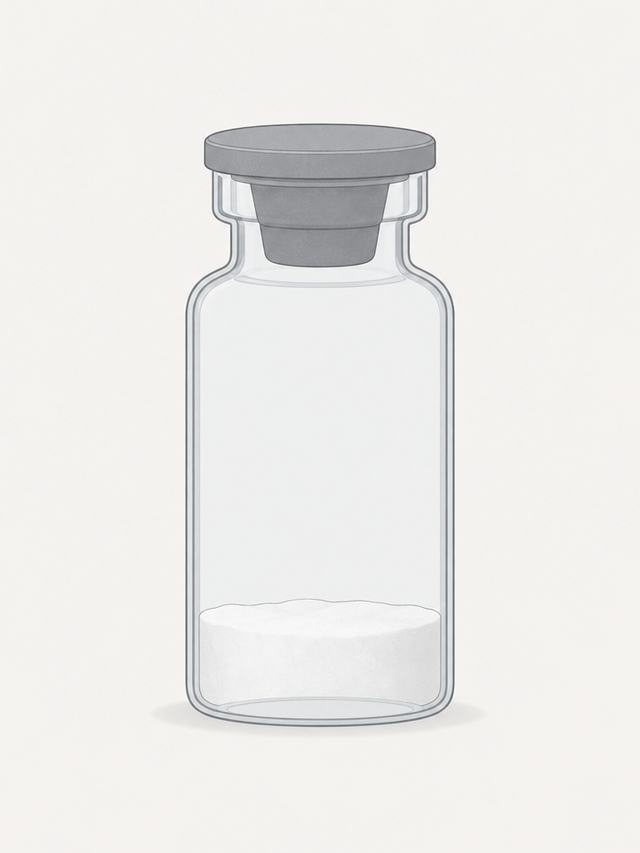
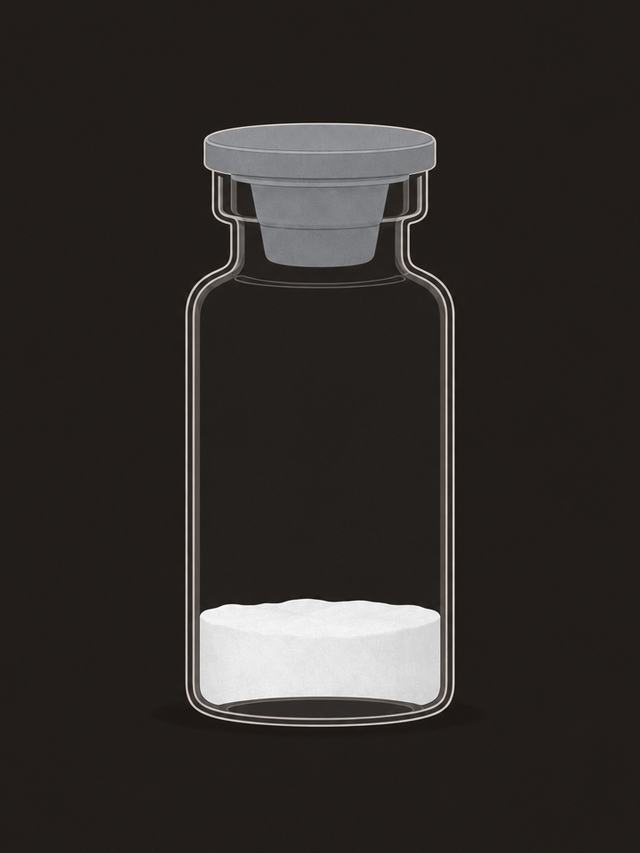
Key
- Marker 1: May not be what the label says The FDA warns that one name can cover different salt forms, or even a different active substance. A French lab found that products sold as TB-500 did not always match their description.
- Marker 2: The amount may differ from the label A 2026 study in Australia tested 3 products sold as retatrutide. They held from about half to almost twice the amount on the label. The TB-500 certificates the FDA saw did not check the amount.
- Marker 3: May hold near-copies and leftover chemicals Making a peptide can leave chains that are too short or slightly wrong, plus leftover solvents and other chemicals. Most certificates the FDA saw gave the purity but did not say which impurities were there.
- Marker 4: May not be tested for bacterial toxins (endotoxin) For anything injected, the FDA says this test is key. The certificates it saw for BPC-157 and TB-500 did not have it.
- Marker 5: May not be tested for germs For injections, the FDA says germ tests are key too. The certificates it saw for BPC-157, KPV and TB-500 showed no germ tests.
- Marker 6: Clumps may make immune reactions more likely Peptides can stick together into clumps. The FDA says clumps and impurities may raise the risk of an immune reaction, from harmless to life-threatening. No study has tested this for BPC-157, KPV or TB-500.
In words
The picture shows one small glass vial with a grey rubber stopper and some white powder at the bottom. It has no label. Six numbers show what may be wrong with a vial like this when it is bought online. Number 1, on the glass where a label would be: it may not be what the label says. The FDA warns that one name can cover different salt forms, or even a different active substance. A French lab found that products sold as TB-500 did not always match their description. Number 2, on the powder: the amount may differ from the label. A 2026 study in Australia tested 3 products sold as retatrutide. They held from about half to almost twice the amount on the label. The TB-500 certificates the FDA saw did not check the amount. Number 3, on the powder: making a peptide can leave chains that are too short or slightly wrong, plus leftover solvents and other chemicals. Most certificates the FDA saw gave the purity but did not say which impurities were there. Number 4, inside the vial: it may not have been tested for bacterial toxins, called endotoxin. For anything injected, the FDA says this test is key, and the certificates it saw for BPC-157 and TB-500 did not have it. Number 5, inside the vial: it may not have been tested for germs. For injections the FDA says germ tests are key too, and the certificates it saw for BPC-157, KPV and TB-500 showed no germ tests. Number 6, on the powder: peptides can stick together into clumps. The FDA says clumps and impurities may raise the risk of an immune reaction, from harmless to life-threatening. No study has tested this for BPC-157, KPV or TB-500. That is why number 6 has a different colour: it is a possible risk, not a proven one.
Based on: FDA Briefing Document for BPC-157-Related Bulk Drug Substances (BPC-157 (free base) and BPC-157 acetate), Pharmacy Compounding Advisory Committee meeting, 23–24 July 2026[75]; FDA Briefing Document for KPV-Related Bulk Drug Substances (KPV (free base) and KPV acetate), Pharmacy Compounding Advisory Committee meeting, 23-24 July 2026; FDA Briefing Document for TB-500-Related Bulk Drug Substances (TB-500 (free base) and TB-500 acetate), Pharmacy Compounding Advisory Committee meeting, 23–24 July 2026[76]; Piatkowski et al. (2026); Delcourt et al. (2023)
AI-generated illustration (gpt-image-2.5-sunburst-2026-09-08, 21 October 2026) CC BY 4.0 Image details The picture contains no text; the numbers and labels are added by this site.
In detail: Who should not use it, and checks that make sense , about 2 minutes to read
Who should not use it, and why
- People with uncontrolled high blood pressure or known heart or blood-vessel disease, because it raises blood pressure after every dose. The label forbids it for them.2
- People at high risk of heart disease, for the same reason; the label does not recommend it.2
- Anyone pregnant or trying to conceive, because of the animal findings; the label advises effective contraception.2
- Anyone taking naltrexone by mouth for alcohol or opioid dependence, because bremelanotide can make that treatment fail.2
- Athletes: it is not banned by name, but whether another section of the List covers it is unclear, and a product that is not what its label says can still cause a positive test.43,44,47
Checks that make sense, and why
A doctor can help you choose which of these fit you:
- Blood pressure, before starting and from time to time during use, because it rises after every dose and the label asks for it.
- Your heart risk, because the label excludes people at high risk of heart disease.
- A pregnancy test if you could be pregnant, because of the animal findings.
- Your skin and gums, for new dark patches, because they may not fade.
- Liver tests if you get yellow skin or eyes, because of the one case of hepatitis.
Report side effects
In the Netherlands you can report a side effect to Lareb, the national centre for side effects.95
Sources
Every claim on this page links to one of these sources. Scholarly sources link to their DOI; regulatory sources to the regulator's own page.
In detail: All 97 sources, numbered as in the text , about 15 minutes to read
- (2026). Drugs@FDA: NDA 210557 (Vyleesi, bremelanotide acetate injection). Regulator accessdata.fda.gov (opens an external site) — accessed 22 October 2026 ↩
- (2025). VYLEESI (bremelanotide injection): prescribing information. Official product information dailymed.nlm.nih.gov (opens an external site) — accessed 20 October 2026 ↩
- (2026). Warning Letters (searchable database). Regulator fda.gov (opens an external site) — accessed 22 October 2026 ↩
- (2026). Medicines data download (JSON report of all EPARs: authorised, refused, withdrawn and suspended medicines). Dataset ema.europa.eu (opens an external site) — accessed 20 October 2026 ↩
- (2026). MHRA Products: search results for 'bremelanotide' and 'vyleesi'. Regulator products.mhra.gov.uk (opens an external site) — accessed 22 October 2026 ↩
- (2017). Usefulness of ambulatory blood pressure monitoring to assess the melanocortin receptor agonist bremelanotide. Journal of Hypertension 35:761-768. Research article doi:10.1097/HJH.0000000000001221 (opens an external site) ↩
- (2021). LC-HRMS characterization of the skin pigmentation and sexual enhancers melanotan II and bremelanotide sold on the black market of performance and image enhancing drugs. Drug Testing and Analysis 13:876-882. Research article doi:10.1002/dta.2986 (opens an external site) ↩
- (2026). PubChem Compound Summary for CID 9941379, Bremelanotide. PubChem. Dataset pubchem.ncbi.nlm.nih.gov (opens an external site) — accessed 22 October 2026 ↩
- (2003). PT-141: a melanocortin agonist for the treatment of sexual dysfunction. Annals of the New York Academy of Sciences 994:96-102. Research article doi:10.1111/j.1749-6632.2003.tb03167.x (opens an external site) ↩
- (2019). NDA 210557 approval letter to AMAG Pharmaceuticals (Vyleesi, bremelanotide), 21 June 2019. Drugs@FDA. Regulator accessdata.fda.gov (opens an external site) — accessed 22 October 2026 ↩
- (2019). Bremelanotide: First Approval. Drugs 79:1599-1606. Review doi:10.1007/s40265-019-01187-w (opens an external site) ↩
- (2019). NDA 210557 Multi-Discipline Review (Vyleesi, bremelanotide). Drugs@FDA. Regulator accessdata.fda.gov (opens an external site) — accessed 22 October 2026 ↩
- (2021). Bremelanotide and flibanserin for low sexual desire in women: the fallacy of regulatory precedent. Drug and Therapeutics Bulletin 59:185-188. Review doi:10.1136/dtb.2021.000020 (opens an external site) ↩
- (2026). ChEMBL compound report card: CHEMBL2070241 (bremelanotide). ChEMBL. Dataset ebi.ac.uk (opens an external site) — accessed 22 October 2026 ↩
- (2026). PubChem Compound Summary for CID 92432, Melanotan II. PubChem. Dataset pubchem.ncbi.nlm.nih.gov (opens an external site) — accessed 22 October 2026 ↩
- (2007). Melanocortin receptors, melanotropic peptides and penile erection. Current Topics in Medicinal Chemistry 7:1098-1106. Review PMID 17584130 (opens an external site) ↩
- (2004). Double-blind, placebo-controlled evaluation of the safety, pharmacokinetic properties and pharmacodynamic effects of intranasal PT-141, a melanocortin receptor agonist, in healthy males and patients with mild-to-moderate erectile dysfunction. International Journal of Impotence Research 16:51-59. Clinical trial doi:10.1038/sj.ijir.3901139 (opens an external site) ↩
- (2004). Evaluation of the safety, pharmacokinetics and pharmacodynamic effects of subcutaneously administered PT-141, a melanocortin receptor agonist, in healthy male subjects and in patients with an inadequate response to Viagra. International Journal of Impotence Research 16:135-142. Clinical trial doi:10.1038/sj.ijir.3901200 (opens an external site) ↩
- (2006). An effect on the subjective sexual response in premenopausal women with sexual arousal disorder by bremelanotide (PT-141), a melanocortin receptor agonist. The Journal of Sexual Medicine 3:628-638. Clinical trial doi:10.1111/j.1743-6109.2006.00268.x (opens an external site) ↩
- (2016). Bremelanotide for female sexual dysfunctions in premenopausal women: a randomized, placebo-controlled dose-finding trial. Women's Health (London, England) 12:325-337. Clinical trial doi:10.2217/whe-2016-0018 (opens an external site) ↩
- (2021). Structural insights into ligand recognition and activation of the melanocortin-4 receptor. Cell Research 31:1163-1175. Research article doi:10.1038/s41422-021-00552-3 (opens an external site) ↩
- (2007). Bremelanotide: an overview of preclinical CNS effects on female sexual function. The Journal of Sexual Medicine 4 Suppl 4:269-279. Research article doi:10.1111/j.1743-6109.2007.00610.x (opens an external site) ↩
- (2009). Modulation of blood pressure by central melanocortinergic pathways. The New England Journal of Medicine 360:44-52. Research article doi:10.1056/NEJMoa0803085 (opens an external site) ↩
- (2022). Effect of bremelanotide on body weight of obese women: Data from two phase 1 randomized controlled trials. Diabetes, Obesity & Metabolism 24:1084-1093. Clinical trial doi:10.1111/dom.14672 (opens an external site) ↩
- (2004). Selective facilitation of sexual solicitation in the female rat by a melanocortin receptor agonist. Proceedings of the National Academy of Sciences of the United States of America 101:10201-10204. Research article doi:10.1073/pnas.0400491101 (opens an external site) ↩
- (2025). Female Syrian hamster analyses of bremelanotide, a US FDA approved drug for the treatment of female hypoactive sexual desire disorder. Neuropharmacology 267:110299. Research article doi:10.1016/j.neuropharm.2025.110299 (opens an external site) ↩
- (2022). Melanocortin 4 receptor agonism enhances sexual brain processing in women with hypoactive sexual desire disorder. The Journal of Clinical Investigation 132. Clinical trial doi:10.1172/JCI152341 (opens an external site) ↩
- (2019). Bremelanotide for the Treatment of Hypoactive Sexual Desire Disorder: Two Randomized Phase 3 Trials. Obstetrics and Gynecology 134:899-908. Clinical trial doi:10.1097/AOG.0000000000003500 (opens an external site) ↩
- (2022). Safety Profile of Bremelanotide Across the Clinical Development Program. Journal of Women's Health 31:171-182. Research article doi:10.1089/jwh.2021.0191 (opens an external site) ↩
- (2008). RETRACTED: Evaluation of the safety and efficacy of bremelanotide, a melanocortin receptor agonist, in female subjects with arousal disorder: a double-blind placebo-controlled, fixed dose, randomized study. The Journal of Sexual Medicine 5:887-897. Research article doi:10.1111/j.1743-6109.2007.00698.x (opens an external site) ↩
- (2019). Long-Term Safety and Efficacy of Bremelanotide for Hypoactive Sexual Desire Disorder. Obstetrics and Gynecology 134:909-917. Clinical trial doi:10.1097/AOG.0000000000003514 (opens an external site) ↩
- (2021). Re-Analyzing Phase III Bremelanotide Trials for "Hypoactive Sexual Desire Disorder" in Women. Journal of Sex Research 58:1085-1105. Meta-analysis doi:10.1080/00224499.2021.1885601 (opens an external site) ↩
- (2021). Failure of a Meta-analysis: A Commentary on Glen Spielmans's "Re-Analyzing Phase III Bremelanotide Trials for 'Hypoactive Sexual Desire Disorder in Women'". Journal of Sex Research 58:1106-1107. Research article doi:10.1080/00224499.2021.1902926 (opens an external site) ↩
- (2005). Co-administration of low doses of intranasal PT-141, a melanocortin receptor agonist, and sildenafil to men with erectile dysfunction results in an enhanced erectile response. Urology 65:755-759. Clinical trial doi:10.1016/j.urology.2004.10.060 (opens an external site) ↩
- (2008). Salvage of sildenafil failures with bremelanotide: a randomized, double-blind, placebo controlled study. The Journal of Urology 179:1066-1071. Clinical trial doi:10.1016/j.juro.2007.10.063 (opens an external site) ↩
- (2023). Expression of Concern: Salvage of Sildenafil Failures With Bremelanotide: A Randomized, Double-Blind, Placebo Controlled Study. The Journal of Urology. Research article doi:10.1097/JU.0000000000003117 (opens an external site) ↩
- (2026). ClinicalTrials.gov: studies with the intervention bremelanotide or PT-141 (search run 22 October 2026). ClinicalTrials.gov. Trial registration clinicaltrials.gov (opens an external site) — accessed 22 October 2026 ↩
- (2026). Geneesmiddeleninformatiebank (database of medicines authorised in the Netherlands). Regulator geneesmiddeleninformatiebank.nl (opens an external site) — accessed 20 October 2026 ↩
- (2026). Leveren op artsenverklaring. Regulator igj.nl (opens an external site) — accessed 22 October 2026 ↩
- (2007). Regeling Geneesmiddelenwet, artikelen 3.17, 3.17a en 3.18 (ontheffing op artsenverklaring; vrijstelling bij tekort; gebruik in schrijnende gevallen). wetten.overheid.nl (BWBR0022160), version in force from 1 January 2026. Law wetten.overheid.nl (opens an external site) — accessed 22 October 2026 ↩
- (2007). Geneesmiddelenwet, artikel 40 (verbod op geneesmiddelen zonder handelsvergunning, en de uitzonderingen). wetten.overheid.nl (BWBR0021505), version in force from 9 September 2025. Law wetten.overheid.nl (opens an external site) — accessed 22 October 2026 ↩
- (2025). World Anti-Doping Code International Standard: Prohibited List 2026. Regulator wada-ama.org (opens an external site) — accessed 20 October 2026 ↩
- (2026). World Anti-Doping Code International Standard: Prohibited List 2027 (in effect 1 January 2027). Regulator wada-ama.org (opens an external site) — accessed 20 October 2026 ↩
- (2026). Summary of Major Modifications and Explanatory Notes, 2027 Prohibited List. Regulator wada-ama.org (opens an external site) — accessed 22 October 2026 ↩
- (2025). The 2026 Monitoring Program. Regulator wada-ama.org (opens an external site) — accessed 20 October 2026 ↩
- (2026). The 2027 Monitoring Program. Regulator wada-ama.org (opens an external site) — accessed 20 October 2026 ↩
- (2026). World Anti-Doping Code 2027 (version 1.0). Regulator wada-ama.org (opens an external site) — accessed 22 October 2026 ↩
- (2026). Applications for new human medicines under evaluation by the CHMP: October 2026. Regulator ema.europa.eu (opens an external site) — accessed 22 October 2026 ↩
- (2026). Arzneimittelgesetz (AMG), § 21 Zulassungspflicht. gesetze-im-internet.de. Law gesetze-im-internet.de (opens an external site) — accessed 20 October 2026 ↩
- (2026). Arzneimittelgesetz (AMG), § 73 Verbringungsverbot. gesetze-im-internet.de. Law gesetze-im-internet.de (opens an external site) — accessed 22 October 2026 ↩
- (1964). Wet van 25 maart 1964 op de geneesmiddelen voor menselijk gebruik, artikel 6 § 1 (vergunning voor het in de handel brengen vereist). ejustice.just.fgov.be. Law ejustice.just.fgov.be (opens an external site) — accessed 20 October 2026 ↩
- (1964). Wet van 25 maart 1964 op de geneesmiddelen voor menselijk gebruik, artikel 6quater (uitzonderingen op de VHB-plicht). ejustice.just.fgov.be (Justel; text updated to 4 June 2026). Law ejustice.just.fgov.be (opens an external site) — accessed 22 October 2026 ↩
- (2012). The Human Medicines Regulations 2012 (SI 2012/1916), regulation 46: Requirement for authorisation. legislation.gov.uk. Law legislation.gov.uk (opens an external site) — accessed 20 October 2026 ↩
- (2012). The Human Medicines Regulations 2012 (SI 2012/1916), regulation 167: Supply to fulfil special patient needs. legislation.gov.uk. Law legislation.gov.uk (opens an external site) — accessed 22 October 2026 ↩
- (2025). Supply unlicensed medicinal products (specials). GOV.UK. Regulator gov.uk (opens an external site) — accessed 22 October 2026 ↩
- (2026). July 23-24, 2026: Meeting of the Pharmacy Compounding Advisory Committee. Regulator fda.gov (opens an external site) — accessed 20 October 2026 ↩
- (2026). Meeting of the Pharmacy Compounding Advisory Committee (early announcement: meeting before the end of February 2027). Regulator fda.gov (opens an external site) — accessed 22 October 2026 ↩
- (2017). Risks of unregulated use of alpha-melanocyte-stimulating hormone analogues: a review. International Journal of Dermatology 56:975-980. Review doi:10.1111/ijd.13585 (opens an external site) ↩
- (2009). alpha-Melanocyte-stimulating hormone-induced eruptive nevi. Archives of Dermatology 145:441-444. Research article doi:10.1001/archdermatol.2008.623 (opens an external site) ↩
- (2017). Phase I Randomized Placebo-controlled, Double-blind Study of the Safety and Tolerability of Bremelanotide Coadministered With Ethanol in Healthy Male and Female Participants. Clinical Therapeutics 39:514-526.e14. Clinical trial doi:10.1016/j.clinthera.2017.01.018 (opens an external site) ↩
- (2019). Melanotan-induced priapism: a hard-earned tan. BMJ Case Reports 12. Research article doi:10.1136/bcr-2018-227644 (opens an external site) ↩
- (2021). Melanotan Tanning Injection: A Rare Cause of Priapism. Sexual Medicine 9:100298. Research article doi:10.1016/j.esxm.2020.100298 (opens an external site) ↩
- (2023). Priapism (painful erections). Web page nhs.uk (opens an external site) — accessed 20 October 2026 ↩
- (2026). Online medicijnen. Regulator igj.nl (opens an external site) — accessed 22 October 2026 ↩
- (2024). Multifactor Quality and Safety Analysis of Semaglutide Products Sold by Online Sellers Without a Prescription: Market Surveillance, Content Analysis, and Product Purchase Evaluation Study. Journal of Medical Internet Research 26:e65440. Research article doi:10.2196/65440 (opens an external site) ↩
- (2013). Fungal infections associated with contaminated methylprednisolone injections. The New England Journal of Medicine 369:1598-1609. Research article doi:10.1056/NEJMoa1213978 (opens an external site) ↩
- (2020). BeSafeRx: Considering an Online Pharmacy?. Regulator fda.gov (opens an external site) — accessed 22 October 2026 ↩
- (2026). Sterile Water for Injection, USP: prescribing information. Official product information dailymed.nlm.nih.gov (opens an external site) — accessed 20 October 2026 ↩
- (2010). WHO best practices for injections and related procedures toolkit (WHO/EHT/10.02). World Health Organization, Geneva. Report who.int (opens an external site) — accessed 20 October 2026 ↩
- (2001). Directive 2001/83/EC on the Community code relating to medicinal products for human use (consolidated text). Official Journal of the European Communities, L 311. Law eur-lex.europa.eu (opens an external site) — accessed 20 October 2026 ↩
- (2026). EGRIFTA SV (tesamorelin for injection): prescribing information and instructions for use. Official product information dailymed.nlm.nih.gov (opens an external site) — accessed 20 October 2026 ↩
- (2026). Wegovy (semaglutide): EPAR — overview and product information. Official product information ema.europa.eu (opens an external site) — accessed 20 October 2026 ↩
- (2000). ICH Q7 Good manufacturing practice for active pharmaceutical ingredients (CPMP/ICH/4106/00). European Medicines Agency, scientific guideline. Regulator ema.europa.eu (opens an external site) — accessed 22 October 2026 ↩
- (2025). Guideline on the Development and Manufacture of Synthetic Peptides (EMA/CHMP/CVMP/QWP/367182/2025). European Medicines Agency. Regulator ema.europa.eu (opens an external site) — accessed 22 October 2026 ↩
- (2026). FDA Briefing Document for BPC-157-Related Bulk Drug Substances (BPC-157 (free base) and BPC-157 acetate), Pharmacy Compounding Advisory Committee meeting, 23–24 July 2026. Regulator fda.gov (opens an external site) — accessed 20 October 2026 ↩
- (2026). FDA Briefing Document for TB-500-Related Bulk Drug Substances (TB-500 (free base) and TB-500 acetate), Pharmacy Compounding Advisory Committee meeting, 23–24 July 2026. Regulator fda.gov (opens an external site) — accessed 20 October 2026 ↩
- (2018). Impurity profiling of the most frequently encountered falsified polypeptide drugs on the Belgian market. Talanta 188:795-807. Research article doi:10.1016/j.talanta.2018.06.023 (opens an external site) ↩
- (2026). FDA's concerns with unapproved GLP-1 drugs used for weight loss. Regulator fda.gov (opens an external site) — accessed 20 October 2026 ↩
- (2010). Stability of protein pharmaceuticals: an update. Pharmaceutical Research 27:544-575. Review doi:10.1007/s11095-009-0045-6 (opens an external site) ↩
- (2024). Preventing Unsafe Injection Practices. Regulator cdc.gov (opens an external site) — accessed 20 October 2026 ↩
- (2025). Poisoning. Web page nhs.uk (opens an external site) — accessed 22 October 2026 ↩
- (2026). Hypoglycaemic coma induced by a falsified semaglutide product: a case report. European Journal of Hospital Pharmacy 33:486-489. Research article doi:10.1136/ejhpharm-2025-004656 (opens an external site) ↩
- (2024). Ik ga naar de huisarts: wat kan ik van tevoren doen en verwachten?. Web page thuisarts.nl (opens an external site) — accessed 22 October 2026 ↩
- (2026). Toxicity linked to unapproved peptide product labelled Retatrutide (health alert). Regulator health.vic.gov.au (opens an external site) — accessed 22 October 2026 ↩
- (2024). Medisch beroepsgeheim: wat en waarom. Web page knmg.nl (opens an external site) — accessed 20 October 2026 ↩
- (2024). Cellulitis. Web page nhs.uk (opens an external site) — accessed 20 October 2026 ↩
- (2026). Sepsis. Web page nhs.uk (opens an external site) — accessed 20 October 2026 ↩
- (2023). Anaphylaxis. Web page nhs.uk (opens an external site) — accessed 20 October 2026 ↩
- (2023). Chest pain. Web page nhs.uk (opens an external site) — accessed 20 October 2026 ↩
- (2024). Symptoms of a stroke. Web page nhs.uk (opens an external site) — accessed 20 October 2026 ↩
- (2024). Headaches. Web page nhs.uk (opens an external site) — accessed 20 October 2026 ↩
- (2025). Malignant hypertension. Web page medlineplus.gov (opens an external site) — accessed 20 October 2026 ↩
- (2024). Jaundice. Web page nhs.uk (opens an external site) — accessed 20 October 2026 ↩
- (2024). High blood pressure (hypertension). Web page nhs.uk (opens an external site) — accessed 22 October 2026 ↩
- (2026). Netherlands Pharmacovigilance Centre Lareb — report a side effect. Web page lareb.nl (opens an external site) — accessed 20 October 2026 ↩
- (2026). Medicines (search of centrally authorised medicines and EPARs). Regulator ema.europa.eu (opens an external site) — accessed 20 October 2026
- (2020). VYLEESI (bremelanotide injection), for subcutaneous use: prescribing information, revised 10/2020 (NDA 210557, supplement 2). Drugs@FDA. Official product information accessdata.fda.gov (opens an external site) — accessed 22 October 2026