Immune-modulating
KPV
A lab-made piece of a hormone. It calms inflammation in cells and mice, but is untested in people.
Not an authorised medicine
At a glance
- Is it an approved medicine?
- No. Not approved as a medicine in the EU, the UK or the US.
- Has it been tested in people?
- No. No studies in people have been published.
- Is it allowed in sport?
- No. Banned in sport at all times. Anti-doping list (WADA), section S0
- What is the biggest risk?
- No reliable checks: vials may contain germs or the wrong substance. More about the risks
Status checked on . The details and sources are further down this page.
Stop and get help if you notice
- Hot, red, swollen or painful injection site37,1
- Fever or chills after you inject it38,37
- Swollen face or throat, or trouble breathing62,1
If it is severe, call your local emergency number.
All warning signs, further down this page Warning signs for any peptide
The 30-second version
About 9 minutes for the short version; 37 with every detail open.
- KPV is a lab-made chain of three amino acids. It is the tail end of the hormone alpha-MSH.
- No KPV medicine is approved in the EU or the US. Sport bans it at all times.
- In cells and mice it calms inflammation. Most of the gut research is from one lab.
- No human study of KPV has ever been published, so its effects and risks in people are unknown.
- In July 2026, US advisers backed letting pharmacies make it. It was only advice; the law is unchanged.
Fact sheet
- Class
- Immune-modulating
- Made of
- Three amino acids: lysine, proline and valine
- Comes from
- The tail end of the hormone alpha-MSH
- Forms promoted online
- Injection, by mouth, on the skin, nasal spray
- Main gut research
- Mostly one US laboratory, in mice
- Status in the EU
- Not authorised
- Tested in people
- No
Label facts, not dosing advice. Sources are in the sections below.

Each section starts with the short answer. The rest is folded under “In detail”.
Evidence profile
Four separate questions. Not a score.
- Human clinical evidence How far has it been tested in people?
- None published (step 1 of 6)
- Preclinical volume How much laboratory and animal research exists?
- Moderate (step 2 of 3)
- Source independence How many independent groups produced it?
- A few groups (step 2 of 3)
- Safety characterisation How well do we know the harms in humans?
- Uncharacterised (step 1 of 3)
In detail: Why these grades: the reason for each step , about 2 minutes to read
- Human clinical evidence
- None. In its 2026 review the FDA searched the published literature, its adverse-event database and trial registries and found no study of KPV given to people by any route, and no case reports. There is nothing in humans to grade.
- Preclinical volume
- Moderate. By our count on 20 October 2026, roughly 40 to 50 primary cell and animal studies test KPV itself (as the anti-inflammatory agent, or carried in a particle or gel). Much of the recent volume is drug-delivery engineering that uses KPV as a model cargo, and some older 'KPV' literature is really about the whole alpha-MSH molecule.
- Source independence
- Few groups. That the C-terminal fragment of alpha-MSH calms inflammation has been reported since 1989, and the NF-κB mechanism by several unrelated groups since 2001. But the gut-disease evidence, which is the strongest therapeutic signal, comes almost entirely from one laboratory (the Merlin group in the United States). No disease result has been reproduced to a clinical standard, because there are no clinical studies.
- Safety characterisation
- Uncharacterised. There is no human safety data at all. The FDA found no formal toxicology, no pharmacokinetics, and no reports in its adverse-event systems, and could not rule out immune reactions.
We never add these up. A compound can have a large animal literature from one laboratory and no human data at all — that is a specific situation, and a single number would hide it. How we grade evidence
In detail: The molecule: amino-acid sequence and technical details , about 1 minute to read
H–Lys-Pro-Val–OH
Read from the N-terminus (start) to the C-terminus (end).
- Full name
- Lysine-Proline-Valine
- Also called
- Lys-Pro-Val, alpha-MSH(11-13), α-MSH(11-13), ACTH(11-13), H-Lys-Pro-Val-OH
- Class
- Immune-modulating
- Body systems
- Immune system, Gut, Skin
- Formula
- C16H30N4O4
- Molecular mass
- 342.43 Da
What it actually is
What is KPV?
| KPV | |
|---|---|
| Made in a lab? | Yes By solid-phase peptide synthesis. It is not taken from the body.1 |
| Part of a hormone the body makes? | Yes Its three amino acids are the last three of the hormone alpha-MSH.2,1 |
| Does it change skin colour, like that hormone? | No It keeps most of the hormone’s anti-inflammatory action, but none of its effect on colour.3,4 |
| Does it have an official medicine name? | No “KPV” is a common name, not a United States Adopted Name, and follows no chemical naming standard.1 |
| One substance under that name? | No It is sold as a free base or an acetate salt. The FDA treats these as two substances.1 |
| Is it an approved medicine? | No No authorised medicine in the EU, the Netherlands or the US.5,6,1 |
KPV is promoted online for inflammatory bowel disease, wounds, skin problems, mast-cell and histamine problems, and general “gut health”, as an injection, by mouth, on the skin and as a nasal spray, and in blends with other peptides such as BPC-157 and TB-500.1 A 2026 review lists it among the peptides marketed to gym-goers.7 None of this promotion rests on human results, because there are none (see the evidence section). No medicine containing KPV is authorised in the EU, the Netherlands or the US.5,6,1
In detail: The molecule, and where it comes from , about 2 minutes to read
KPV is a synthetic peptide made of just three amino acids: Lys-Pro-Val (lysine, proline, valine), with ordinary free ends. Its formula is C16H30N4O4 and its mass is 342.43 Da.8 That makes it one of the smallest molecules on this site. A peptide this short is at the fuzzy border between a “peptide drug” and an ordinary piece of digested protein.
Where it comes from
KPV is the tail of a natural hormone. The body makes a large protein called proopiomelanocortin and cuts it into smaller hormones, one of which is alpha-melanocyte-stimulating hormone (alpha-MSH). Alpha-MSH is a 13-amino-acid chain. Its last three amino acids, positions 11, 12 and 13, are lysine, proline and valine. That is KPV.2,1
Alpha-MSH does two very different jobs. One part of it controls skin and hair colour. A different part calms inflammation.9 Researchers found that the small KPV tail keeps most of the anti-inflammatory action but has none of the colour-changing action.3,4 That is the whole reason KPV was studied: it was an attempt to keep the useful half of alpha-MSH and drop the half that darkens the skin. The part of a molecule responsible for a given action is called its pharmacophore, and alpha-MSH has separate ones for colour and for inflammation.
In detail: Natural does not mean harmless, and the naming problem , about 2 minutes to read
Natural does not mean harmless
Because KPV is a fragment of a human hormone, it is often described as “natural”. That word is doing no work. The KPV in a vial was not taken from the body; it was built in a factory by solid-phase peptide synthesis, the same chemistry used for other synthetic peptides.1 A manufactured copy can carry shortened chains, near-copies, leftover solvents and bacterial contamination, and it is injected or sprayed in amounts and ways the body never meets naturally. The later risk section explains why “small and natural” says nothing about whether an injected product is safe.
Naming and salt forms
“KPV” is a common name, not an official one. It is not a United States Adopted Name, and it follows none of the standards that identify a drug substance exactly (INN, IUPAC, USAN).1 The FDA points out that this matters for safety: without a standard name, a patient may be dosed with a different substance than the prescriber meant. Commercial material is sold as a free base or as an acetate salt, and the FDA treats these as two different substances even though most public references give the same identifier number for both.1,8
Proposed mechanism
How does it work?
KPV has a clearer proposed mechanism than many experimental peptides, and parts of it are reported by several independent groups. But the chain has never been shown in a person, and the very first link, how KPV first acts on a cell, is still missing.
The short animation follows KPV from the hormone it is part of to the gap before people.
Your device asks for less motion, so this animation does not play. The picture shows the end result and the list explains every step.
-
KPV is a lab-made chain of three building blocks. They are the last three of the hormone alpha-MSH.
Evidence: In cells
-
A doorway protein, PepT1, carries it into gut and immune cells. Inflamed gut has more PepT1.
Evidence: In cells In animals
-
Inside, it stops the switch NF-κB from reaching the cell's control centre, the nucleus.
Evidence: In cells
-
So the cells make fewer of the signals that drive inflammation.
Evidence: In cells
-
Mice with an inflamed gut recovered faster. In mice without PepT1, KPV no longer clearly reduced gut tumours.
Evidence: In animals
-
In people, none of this has been tested. There is no human study of any kind.
Evidence: Hypothesised
In short: In cells, KPV enters through the PepT1 doorway and keeps the inflammation switch NF-κB out of the nucleus, so the cells make fewer inflammation signals. Mice with an inflamed gut recovered faster, and the effect seems to need PepT1, at least in part. KPV has never been tested in people.
Lines: long dashes = shown in animals long dashes = shown in cells in the lab short dashes = an idea, not yet shown
Based on: Cody et al. (1984)2; FDA Briefing Document for KPV-Related Bulk Drug Substances (KPV (free base) and KPV acetate), Pharmacy Compounding Advisory Committee meeting, 23-24 July 20261; Dalmasso et al. (2008)10; Mandrika et al. (2001)11; Land SC (2012)12; Kannengiesser et al. (2008)13; Viennois et al. (2016)14
In detail: The proposed chain in one table, with its sources , about 1 minute to read
| In cells or animals | In people | |
|---|---|---|
| Does it use the hormone’s own receptors? | No In binding tests it did not attach to the melanocortin-1 receptor. Its true target is unknown.11,1 | Unknown Not studied in people. |
| Is it carried into cells by PepT1? | Yes In gut and immune cells, in one laboratory. In mice bred without PepT1 it no longer clearly reduced bowel tumours.10,14 | Unknown Not studied in people. |
| Does it turn down the switch NF-κB? | Yes In gut cells, T cells, macrophages and airway cells, reported by several groups.10,11,12 | Unknown Not measured in people. |
| Do cells make fewer of the signals that drive inflammation? | Yes Fewer interleukins and less nitric oxide, in cells in a dish.10,11,12 | Unknown Not measured in people. |
| Did ill or injured animals get better faster? | Yes In mice with chemically induced colitis, and in scraped rabbit corneas.13,10,15 | Unknown No human study of any kind.1 |
In detail: Step by step: the proposed chain and what each step rests on , about 6 minutes to read
Each step is labelled with how well the link from the previous step is established.
-
A piece of a hormone, but it does not use that hormone's receptors
KPV is the last three amino acids of alpha-MSH. You might expect it to act through the same receptors (the melanocortin receptors). It does not: in binding tests KPV did not attach to these receptors and did not raise the internal messenger cAMP. Its true molecular target is unknown, which the FDA confirmed in 2026. So the very first step, how KPV gets a grip on a cell, is not established.
-
A transporter called PepT1 can carry it into cells
PepT1 is a doorway protein that pulls small two- and three-amino-acid peptides into gut and immune cells. One laboratory showed that KPV rides in through PepT1, and that in mice bred without PepT1 it no longer reduced colitis-driven bowel tumours. PepT1 is scarce in a healthy colon but increases where the colon is inflamed, which could concentrate KPV at inflamed sites.
-
Inside the cell it turns down the inflammation switch NF-κB
Once inside, KPV lowers the activity of NF-κB, a master switch that turns on inflammation genes. Several groups report this. One study found KPV blocks the step where NF-κB's p65 part is carried into the cell nucleus. KPV also damps down MAP-kinase signalling.
-
Treated cells make fewer inflammatory signals
With NF-κB turned down, cells release fewer inflammatory messengers: less interleukin-8 from airway cells, less interleukin-1β from skin cells, less nitric oxide from macrophages, and lower cytokine output from gut and T cells. In treated mice, inflamed gut also showed less TNF-α. KPV appears to blunt the effects of interleukin-1β as well.
-
Inflamed tissue draws in fewer immune cells
In mice with chemically induced colitis, KPV-treated gut had lower myeloperoxidase (a marker of neutrophils) and less damage under the microscope. The effect still happened in mice with a broken melanocortin-1 receptor, which fits the idea that KPV does not work through that receptor.
-
Faster recovery in rodent colitis and wounds
Mice with colitis given KPV lost less weight and recovered sooner; in one model KPV also reduced the number of inflammation-driven bowel tumours. Rabbit corneas healed faster with KPV eye drops. These are the clearest whole-animal results.
-
Benefit for a person: not shown
No controlled human trial, and indeed no human study of any kind, has been published. Whether any of the steps above happen in a person, at what amount, by what route, and whether they help, is unknown.
The receptor that is not there
A drug usually starts by binding one specific target. KPV comes from alpha-MSH, so the obvious guess is that it uses alpha-MSH’s own targets, the melanocortin receptors. In binding experiments KPV did not attach to the melanocortin-1 receptor and did not raise the internal messenger cAMP, unlike whole alpha-MSH (Evidence level: Shown in cells or tissue in the laboratory).11 In mice, KPV still reduced inflammation when the melanocortin-1 receptor was broken or blocked (Evidence level: Shown in animal studies).16,13 The FDA’s 2026 review concluded that melanocortin receptors are unlikely to be KPV’s target and that its true molecular target is unknown.1 So KPV’s effects, where they are seen, happen through a route that has not been identified.
A back door into the cell
One laboratory offered an answer to how KPV reaches the inside of a cell. KPV is carried into gut and immune cells by PepT1, a transporter that normally ferries small two- and three-amino-acid peptides from digested food (Evidence level: Shown in cells or tissue in the laboratory).10 This is a tidy fit for a gut disease: PepT1 is scarce in a healthy colon but rises where the colon is inflamed, so it could carry KPV straight to the inflamed tissue. In mice bred without PepT1, KPV no longer reduced colitis-driven bowel tumours, though a non-significant trend to a lower tumour burden remained (Evidence level: Shown in animal studies). The authors conclude that KPV acts at least in part through PepT1, and that another transporter may carry some of it.10,14 Whether colitis itself still responds to KPV in those mice was not reported.
Turning down the inflammation switch
Inside the cell, the recurring finding is that KPV quietens NF-κB, a switch that turns on inflammation genes. KPV lowered NF-κB activity in gut cells, T cells, macrophages and airway cells, and the cells released fewer inflammatory messengers: less interleukin-8 and eotaxin from airway cells, less interleukin-1β from skin cells, less nitric oxide from macrophages, and less cytokine output from gut and T cells (Evidence level: Shown in cells or tissue in the laboratory).10,11,12,17 One study pinned down a step: KPV blocked the carrier that normally pulls NF-κB’s p65 part into the cell nucleus, so the switch could not reach the genes it controls (Evidence level: Shown in cells or tissue in the laboratory).12 KPV also appears to blunt the effects of interleukin-1β directly.16
From cells to animals
In mice with chemically induced colitis, KPV-treated gut showed less immune-cell infiltration, measured as lower myeloperoxidase, and less damage under the microscope, and the animals recovered and regained weight sooner (Evidence level: Shown in animal studies).13,10 Rabbit corneas scraped bare healed faster with KPV eye drops, an effect held back when nitric oxide production was blocked (Evidence level: Shown in animal studies).15 These whole-animal results are consistent with the cell findings, but they are models: a chemical colitis in a mouse is not ulcerative colitis in a person, and a scraped rabbit cornea is not a chronic human wound.
In detail: The weak joints in the chain , about 1 minute to read
Three gaps matter. First, no study has followed KPV from the missing receptor step through to healing in the same system, so the chain is stitched together from separate experiments. Second, the strongest animal evidence is for the gut, and comes mostly from one laboratory; a delivery study from that group found that plain KPV worked only at about 12,000× higher concentration than KPV packed into targeted particles, which suggests free KPV reaches its target poorly.18 Third, and most important, none of this has been measured in a human.
What the evidence actually shows
Does it work?
No study of KPV in people has been published
0 studies
of KPV given to people, by any route. There are no case reports either.
Who took part FDA review, 2026: searches of PubMed, Embase, ClinicalTrials.gov and FDA adverse-event databases Source FDA Briefing Document for KPV-Related Bulk Drug Substances (KPV (free base) and KPV acetate), Pharmacy Compounding Advisory Committee meeting, 23-24 July 20261
Most gut studies come from one lab
4 of 5
mouse gut studies on this page come from one US laboratory
What was counted The five mouse gut-disease studies in the study table. Four are from the Merlin group in Atlanta, USA; one is from Münster, Germany. Sources Dalmasso et al. (2008); Laroui et al. (2010); Viennois et al. (2016); Xiao et al. (2017); Kannengiesser et al. (2008)10,18,14,19,13 Evidence Animals
Packed in tiny particles, much less KPV worked as well
12,000×
lower amount of KPV worked as well when packed in particles aimed at the colon
Who took part Laroui 2010: mice with chemically induced colitis; the same laboratory as most gut studies Source Laroui et al. (2010)18 Evidence Animals
It would be wrong to dismiss this biology. The anti-inflammatory mechanism is coherent, reproduced across independent cell studies, and matched by consistent benefit in rodent colitis. Promising cell and mouse data are a reason to run a good trial, not a substitute for one, and they say nothing about what happens when a person injects an unverified vial.
In detail: Every study in one table, and where the evidence comes from , about 6 minutes to read
12 studies: 0 in humans, 8 in animals, 4 in cells, 0 reviews or other.
| Study | Species | n | Design | Funding | Research group | What it found | What it did not show |
|---|---|---|---|---|---|---|---|
| Hiltz & Lipton 1989 20 | Mice | not reported | Animal experiment (controlled) | Mixed | Independent group | In mice, alpha-MSH(11-13) reduced ear swelling caused by a skin-sensitising chemical, in a dose-related way, and was compared with saline and with a large dose of a corticosteroid. This was one of the first reports that the three-amino-acid tail of alpha-MSH keeps the hormone's anti-inflammatory action. | A short acute-inflammation model in mice; animal numbers, route and blinding not stated in the abstract; a skin-reaction test, not a disease. The FDA's 2026 review counts this as a study of an N-acetylated form of KPV, not of the free peptide it was assessing, and set it aside for that reason. |
| Mandrika et al. 2001 11 | Cells (lab) | not reported | Laboratory (cells) (controlled) | Not disclosed | Independent group | In mouse macrophage cells, KPV lowered nitric oxide production and blocked NF-κB from moving into the nucleus. Unlike whole alpha-MSH, KPV did not bind the melanocortin-1 receptor and did not raise cAMP, pointing to a separate way of working. | Cells in a dish; one laboratory; tells us about a pathway, not about treating a disease in a body. |
| Getting et al. 2003 16 | Mice | not reported | Animal experiment (controlled) | Not disclosed | Independent group | In mice, KPV reduced the number of inflammatory cells drawn into the abdomen after an irritant. It still worked in mice with a non-functional melanocortin-1 receptor and was not blocked by a melanocortin-receptor blocker, so KPV appears to act outside the melanocortin receptors, probably by opposing interleukin-1β. | Acute chemically induced inflammation in mice; not a model of a human disease; numbers and blinding not detailed in the abstract. |
| Bonfiglio et al. 2006 15 | Rabbits | not reported | Animal experiment (controlled) | Not disclosed | Independent group | Rabbits whose corneas had been scraped healed faster when given KPV eye drops; all treated corneas had closed by 60 hours while none of the untreated ones had. Blocking nitric oxide production with L-NAME held the effect back. | Small rabbit study; the role of the whole-molecule alpha-MSH was not separated out; eye-surface healing, not a general wound. |
| Dalmasso et al. 2008 10 | Mixed | not reported | Animal experiment (controlled) | Government | Originating group | In human gut and immune cells, very low (nanomolar) amounts of KPV blocked NF-κB and MAP-kinase signalling and cut inflammatory-messenger release, and it entered cells through the transporter PepT1. Given in drinking water, KPV reduced chemically induced colitis in mice. | The in-body part is a mouse model; this laboratory originated and dominates the gut-disease work on KPV, so independent repetition is limited; no human data. |
| Kannengiesser et al. 2008 13 | Mice | not reported | Animal experiment (controlled) | Not disclosed | Independent group | In two mouse models of inflammatory bowel disease, KPV led to earlier recovery, weight regain, less damage under the microscope and lower myeloperoxidase. In mice with a broken melanocortin-1 receptor, KPV still rescued the animals, supporting a receptor-independent action. | Mouse models only; a different group from the PepT1 work but still preclinical; dosing and blinding not detailed in the abstract. |
| Laroui et al. 2010 18 | Mice | not reported | Animal experiment (controlled) | Government | Originating group | KPV packed into nanoparticles inside a gel that releases in the colon reduced colitis in mice. Delivered this way, KPV worked at a concentration about 12,000 times lower than free KPV, suggesting targeted delivery matters more than the raw amount. | Mouse model, same laboratory as the PepT1 work; a delivery-engineering study; the free-peptide comparison shows how weak plain KPV is at reaching the target. |
| Land SC 2012 12 | Cells (lab) | not reported | Laboratory (cells) (controlled) | Not disclosed | Independent group | In human airway cells, KPV lowered NF-κB activity and the release of inflammatory signals set off by TNF-α or a virus. The study traced this to KPV blocking the transport of NF-κB's p65 part into the cell nucleus. | Immortalised cells in a dish, one laboratory; proposes a precise mechanism but does not test breathing or lung disease in an animal or person. |
| Viennois et al. 2016 14 | Mice | not reported | Animal experiment (controlled) | Government | Originating group | In a mouse model where long-term colitis drives bowel cancer, KPV in the drinking water reduced the number and size of tumours in normal mice. In mice bred without PepT1 the same treatment changed tumour number, size, burden and body weight no more than water did, although a non-significant trend to a lower tumour burden remained; the authors conclude that KPV acts at least in part through PepT1. | One mouse model, one laboratory; an anti-tumour effect in a colitis-cancer model does not prove safety or benefit in people, and other mechanisms could raise opposite concerns. In the same paper, mice with a genetic (non-inflammatory) bowel-tumour disease got no fewer tumours with KPV, though their gut inflammation fell: the tumour effect appears to depend on inflammation. |
| Pawar et al. 2017 21 | Cells (lab) | not reported | Laboratory (cells) | Government | Independent group | In human cadaver skin, KPV on its own barely crossed the skin surface (below the limit of detection). Pushing it with a small electric current or tiny needles was needed to drive it into the deeper skin layers. | Dead donor skin in a lab rig; measures how far the peptide travels, not whether it does anything; says nothing about injected or nasal use. |
| Xiao et al. 2017 19 | Mice | not reported | Animal experiment (controlled) | Mixed | Originating group | KPV in nanoparticles coated to stick to inflamed gut reached colon cells and immune cells and reduced colitis in mice, lowering TNF-α and helping the gut lining heal. | Mouse model; a delivery-engineering study from the dominant gut group and a Chinese partner laboratory; no human data. |
| Sung et al. 2025 17 | Cells (lab) | not reported | Laboratory (cells) (controlled) | Industry | Independent group | In human skin cells and a 3D skin model, KPV reduced cell death and inflammation caused by fine air-pollution particles, by lowering reactive oxygen species and NF-κB and MAP-kinase signalling. | Cells and a lab-grown skin model, not living skin; the first author's affiliation is a company research institute (declared in the paper); the authors frame the use as a cosmetic or skin-protective ingredient. |
| Level | Roughly how much | Who produced it | Main limitation |
|---|---|---|---|
| Cells and isolated tissue | A few dozen papers | Several independent groups (US, Europe, east Asia) | Set concentrations with no link to any real-life human exposure |
| Animal anti-inflammation and wounds | Scattered single studies | The Lipton group in Dallas, and groups in London and Catania | Short, acute models; often alpha-MSH, or an N-acetylated form, studied alongside KPV |
| Animal gut disease (colitis, colitis-cancer) | The clearest therapeutic signal | Mostly one laboratory (the Merlin group) | One dominant group; mouse models; much of it is delivery engineering |
| Human-tissue (cadaver skin) | One study | One group | Dead skin in a lab rig; KPV barely crossed it |
| Humans (living) | None | — | No study of any kind, and no case reports |
In detail: Cell and animal studies, one by one , about 3 minutes to read
Cells: a reproducible anti-inflammatory signal
The cell evidence is KPV’s strongest suit. Over more than two decades, unrelated groups have reported the same core finding: KPV lowers NF-κB activity and inflammatory-messenger output without acting through melanocortin receptors.11,16,12,10 That several independent laboratories see the same thing is genuinely reassuring about the basic biology. Cell studies answer “can this molecule change this pathway in a dish?” They cannot answer “does it help a person?”, because dosing, delivery, breakdown and the whole immune system are missing.
Animals: promising, but shallow and clustered
Two lines of animal work stand out. The older line, from the Lipton group and others, showed that the alpha-MSH tail reduces acute inflammation in mice: ear swelling from a skin-sensitising chemical, and inflammatory cells drawn into the abdomen.20,16 The FDA counted the 1989 ear-swelling study as a study of an N-acetylated form of KPV rather than the free peptide, and set it aside.1 The newer and stronger line is gut disease. KPV, especially when delivered in targeted nanoparticles or gels, reduced colitis in mice and reduced colitis-associated bowel tumours in one model (Evidence level: Shown in animal studies).10,18,14,19 The colitis-cancer result is worth noting precisely because it points the opposite way to a common fear about “growth” peptides: in that model KPV lowered tumour numbers rather than raising them.14 In the same paper, mice with a genetic bowel-tumour disease and little gut inflammation got no fewer tumours with KPV, so the effect appears to work through inflammation rather than on tumours directly.14
The weakness is who produced it. Most of the gut evidence comes from a single laboratory and its partners. One independent group (in Münster) did reproduce the colitis benefit in its own mouse models, which strengthens it.13 But no disease result has been repeated across many groups to the standard a medicine needs, and every one of these results is in rodents.
Skin and wounds
KPV sped corneal healing in rabbits (Evidence level: Shown in animal studies), and it protected human skin cells from pollution-induced damage in a dish (Evidence level: Shown in cells or tissue in the laboratory).15,17 A practical problem sits under the skin claims: plain KPV barely crosses human skin, and needed an electric current or micro-needles to get through in a laboratory test (Evidence level: Shown in cells or tissue in the laboratory).21 The FDA noted that this cuts both ways: poor skin penetration limits any whole-body toxicity from a cream, but it may also stop a cream from reaching the living skin below the surface where it would need to act.1
In detail: Studies in people: there are none , about 1 minute to read
This is the central fact. The FDA searched PubMed, Embase, trial registries, its own adverse-event database and more in 2026, and found no study of KPV given to people, by any route, for any condition, and no case reports.1 As of 20 October 2026 we found no registered clinical trial of KPV on ClinicalTrials.gov or the EU trials register either. Everything known about KPV is from cells and animals. There is no human dose, no human pharmacokinetic data, and no systematic human safety information of any kind.
In detail: Where the evidence is promising, and where it is not , about 1 minute to read
What is genuinely unknown
What is still not known?
| Open question | Studied? |
|---|---|
| Does it do anything in people? | No No human study of any kind has been published.1 |
| What does it bind to first? | Unknown Studied in cells, but no receptor or target is established.1,10 |
| What happens to it in the body? | No The FDA found no study of this, in animals or in people.1 |
| Has it been tested for harm in animals? | No The FDA found none: no repeat-dose, genetic, pregnancy or cancer studies.1 |
| Immune reactions? | No The FDA found no study of them.1 |
| What is in products sold as KPV? | No The FDA found no published tests for clumping or germs.1 |
In detail: All nine open questions, with their sources , about 2 minutes to read
What is specifically not known about KPV, as of 20 October 2026:
- Whether it does anything in people. No human study of any kind has been published.1
- How it works at the first step. No receptor or primary molecular target is established; the PepT1 route explains uptake but not what KPV binds once inside.1,10
- What happens to it in a human body. There are no human pharmacokinetic data for any route. A tripeptide is also a natural food-digestion product, so an injected dose may be broken down or used as ordinary amino acids quickly, but this has not been measured in people.
- Whether a cream, capsule, injection or nasal spray delivers anything useful. Plain KPV barely crosses skin in the laboratory, and no route has been tested in a person.21,1
- Any formal toxicology. The FDA found no acute, repeat-dose, genotoxicity, reproductive or carcinogenicity studies of KPV.1
- Immune reactions. Immunogenicity has never been studied; the FDA could not rule it out.1
- The effect of long-term immune damping. KPV’s whole point is to quieten inflammation; what chronic use would do to normal defence against infection, or to immune surveillance, is untested.
- Interactions with any other medicine.
- Whether the free base and the acetate salt behave the same, and what is actually in products sold as KPV. The nomination held no certificate of analysis for the free base, and the ones the FDA found elsewhere mostly report purity only; the acetate certificate reported identity, assay and related substances, but nothing on clumping (aggregation) or germs.1
Regulatory status
Is it legal?
| Netherlands and the EU | United States | |
|---|---|---|
| Approved as a medicine? | No No EU or Dutch authorisation. EMA’s medicines data and the Dutch medicines database list no KPV product.24,5,6 | No Not FDA-approved.1 |
| Legal to sell or supply as a medicine? | No Dutch law forbids selling or supplying a medicine that has no marketing authorisation, with narrow exceptions.25 | No Pharmacies may not legally make it until the FDA accepts the advice and makes a rule adding it to the 503A list.26,1 |
| Changed by the July 2026 US vote? | No Nothing the FDA or its advisers decide changes the law here.25 | No On 23 July 2026, the FDA’s Pharmacy Compounding Advisory Committee voted 8–6, with one abstention, to recommend it for the 503A list. The committee considered seven peptides and recommended six. Both the counts and that outcome are as reported from the public meeting. The vote was only advice, and went against FDA staff’s own recommendation.27,28,29,1 |
| Would a US listing make it an approved medicine? | No It would change nothing in the EU or the Netherlands.25 | No It would allow pharmacy compounding on prescription in the US. It is not an approval and says nothing about whether KPV works.26,30 |
| Allowed in sport? | No Not named on the list, but banned at all times as a non-approved substance (S0).31,32 | No The same worldwide rule applies.31 |
In detail: Status in each country, and in sport , about 2 minutes to read
| Jurisdiction | Status | Note | Checked |
|---|---|---|---|
| European Union | Not authorised | No authorised product and no record in EMA's medicines data; no European Pharmacopoeia monograph (checked 20 October 2026). 24,5,1 | |
| Netherlands | Not authorised | Not authorised; supplying a medicine without a marketing authorisation is prohibited by the Geneesmiddelenwet. 6,25 | |
| Germany | Not authorised | Not authorised; finished medicines need a licence under AMG § 21. 33,5 | |
| Belgium | Not authorised | Not authorised; a medicine may be placed on the market only with a national or EU authorisation (Medicines Act 1964, art. 6). 34,5 | |
| United Kingdom | Not authorised | Not authorised; supplying an unauthorised medicinal product is prohibited by the Human Medicines Regulations 2012. 35,1 | |
| United States | Not authorised | Not FDA-approved. In July 2026 an advisory committee voted to recommend KPV for pharmacy compounding, against FDA staff advice; the vote is non-binding and no rule has been made. 1,29,27,28,36 | |
| Sport (WADA) | Prohibited in sport · S0, at all times | Not named on the list, but prohibited at all times under S0 as a non-approved substance. The 2027 List adds 'peptides' to the S0 examples. 31,32 |
All statuses below were checked on 20 October 2026.
Sport (WADA)
KPV is not named on the World Anti-Doping Agency’s Prohibited List. It is still banned. Section S0 prohibits, at all times, “any pharmacological substance which is not addressed by any of the subsequent sections of the List and with no current approval by any governmental regulatory health authority for human therapeutic use”.31 KPV has no such approval anywhere, so it falls under S0 by definition. The 2027 List, in force from 1 January 2027, makes this plainer still by adding “peptides” to the S0 examples.32 On that wording, a US compounding listing would not count as an approval and would not change the anti-doping status.
In detail: The European Union, the Netherlands, Germany, Belgium and the United Kingdom , about 3 minutes to read
What we checked for this page: EMA’s medicines data, which covers EU-level authorisations including refused and withdrawn ones; the Dutch medicines database; and the FDA’s own review, which searched the European and Japanese pharmacopoeias and EMA’s records. None of them contains KPV.5,6,1 We did not search the national registers of Germany, Belgium or the United Kingdom, so for those three countries the entries below give the law that applies, not the result of a register search. The FDA’s KPV review, unlike its reviews of some other peptides, does not itself say that no country has approved KPV. The reason we still answer “approved nowhere” is the evidence section: no study of KPV in people has ever been published, and no regulator grants a marketing authorisation without clinical data.1
European Union
No medicine containing KPV has an EU marketing authorisation, and EMA records, which also list refused and withdrawn applications, contain no KPV entry. There is no European Pharmacopoeia monograph for it.24,5,1
Netherlands
The CBG medicines database lists no product containing KPV.6 Under the Geneesmiddelenwet, a substance is a medicine if it is presented as treating or preventing disease, or is meant to change body functions through a pharmacological effect. It is prohibited to sell, supply, stock, offer or import a medicine without a marketing authorisation, with narrow exceptions such as small-scale preparation by a pharmacy for an individual patient.25
Germany
Finished medicinal products may be placed on the market only with a national licence or an EU authorisation (Arzneimittelgesetz § 21). No KPV product holds an EU authorisation; we found no national licence, but did not search the German register.33,5
Belgium
A medicine may be placed on the Belgian market only after a marketing authorisation has been granted, either nationally or by the European Commission (Medicines Act of 25 March 1964, art. 6 § 1). No KPV product holds a European Commission authorisation.34,5
United Kingdom
A person may not sell or supply, or offer to sell or supply, an unauthorised medicinal product (Human Medicines Regulations 2012, regulation 46), subject to narrow exceptions such as clinical trial supplies.35 We know of no authorised KPV medicine anywhere, but we did not search the UK register.1
In detail: The United States, and the July 2026 vote point by point , about 3 minutes to read
KPV is not FDA-approved. It has no US Pharmacopeia monograph and is not part of any approved drug, so under federal law a pharmacy may compound with it only if it is placed on the 503A bulk drug substances list through rulemaking.26,1 The FDA had earlier flagged KPV among substances that may present significant safety risks, because it found no human exposure data and could not judge whether it would cause harm.36
The one nomination asking for KPV was later withdrawn. The FDA evaluated both the free base and the acetate salt anyway, on its own initiative, because it was unclear which of the two the nominator had meant.1 Its scientists assessed them for wound healing and inflammatory conditions and concluded that they are not well characterised, that there is no information on their use in humans, and that they should not be added to the list.1,29
What happened next is the single most misreported part of this story:
- On 23 July 2026 the FDA’s Pharmacy Compounding Advisory Committee (PCAC) voted to recommend KPV for the 503A bulk drug substances list.27,28
- Over two days the committee considered seven peptides.27,29 As reported from the meeting, it recommended six: BPC-157, KPV, TB-500, MOTS-c, Semax and epitalon. Emideltide (DSIP) was not recommended.
- The vote is advisory and non-binding, and it went against the FDA staff’s own recommendation, which was not to list KPV.1,29
- Legal compounding remains prohibited until the FDA formally adopts the recommendation and completes notice-and-comment rulemaking.1
- KPV is not an approved medicine. A 503A listing, if it ever happens, would only let US pharmacies compound KPV on prescription. It is not a marketing authorisation, says nothing about whether KPV works, and changes nothing in the EU or the Netherlands.26,30
As reported from the public meeting, the KPV vote was 8 in favour, 6 against, with 1 abstention, the same split reported for BPC-157 and TB-500. The FDA’s voting questions in fact put two separate questions for KPV, one for the free base and one for the acetate salt, so there were two votes.28 As of 20 October 2026 the FDA had not posted written minutes, and its meeting page was still marked current as of 6 August 2026. The FDA documents confirm the date, the seven peptides, the voting questions and the staff recommendation; we will check the counts, and whether the two KPV votes differed, against the minutes when they appear.27,28
Risk profile
What are the risks?
| Possible harm | Shown in people? |
|---|---|
| Infection from germs in the product | Unknown The FDA found no germ testing for KPV in the certificates or the literature.1 |
| Getting a different substance than you meant to | Unknown KPV is not consistently named, and two forms are sold under the name.1 |
| An immune reaction, from no symptoms to a life-threatening one | Unknown Peptides can trigger the immune system. The FDA found no study of this for KPV.1 |
| Weaker defence against germs if used for a long time | Unknown A theory based on how it works. It is untested. In one mouse model KPV lowered tumour numbers.14 |
| Harm in pregnancy, or cancer | Unknown No study has looked at harm in pregnancy, damage to genes, or cancer.1 |
KPV is prohibited in sport at all times as a non-approved substance under S0, even though it is not named on the list.31,32
In detail: What has been reported in people , about 1 minute to read
Nothing, in either direction. Because there is no human study and no case report, there is no record of benefit and no record of harm. The FDA searched its adverse-event reporting system and its food-and-supplement complaint system through 3 December 2025 and found no reports for KPV.1 An absence of reports is not evidence of safety: US compounding pharmacies are not required to report adverse events, and a substance almost no one reports on will show almost no reports.1
In detail: The product, and immune reactions , about 5 minutes to read
The product is the first risk
For most people the most immediate danger is not the molecule but the vial. The nomination the FDA reviewed held no certificate of analysis for the free-base form, and the certificates the FDA found elsewhere mostly reported purity and nothing else; the acetate certificate it did have showed no testing for peptide clumping or for germs. It also noted that KPV is not consistently named, so a vial may hold a different substance than intended.1 An injected or sprayed product that is not sterile can cause infection, from a skin infection at the site to germs reaching the blood.37,38 Germs growing in the liquid before it is filtered also leave endotoxin behind, and counting germs says nothing about how much endotoxin is there.39
The plate shows six things that may be wrong with a vial from outside a pharmacy, from what is in it to what was never tested.
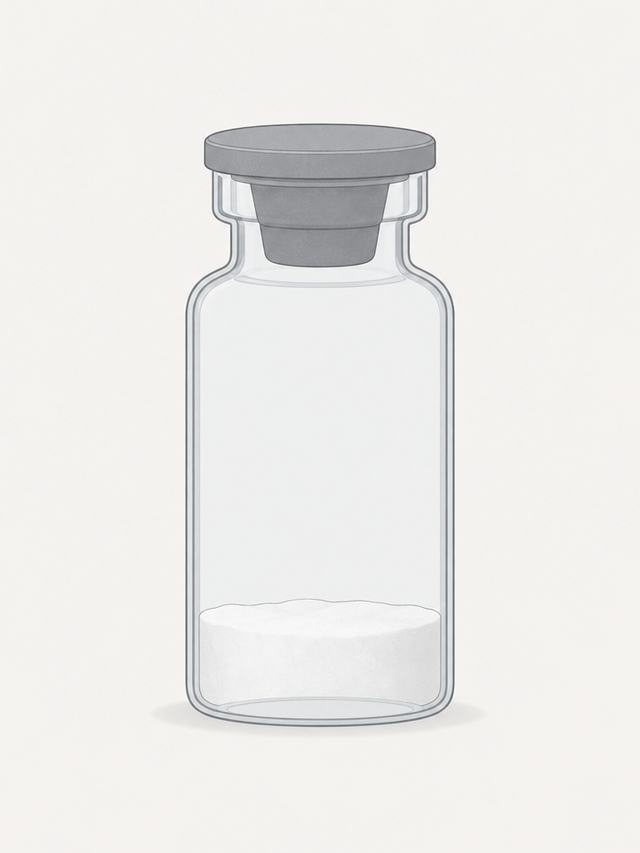

Key
- Marker 1: May not be what the label says The FDA warns that one name can cover different salt forms, or even a different active substance. A French lab found that products sold as TB-500 did not always match their description.
- Marker 2: The amount may differ from the label A 2026 study in Australia tested 3 products sold as retatrutide. They held from about half to almost twice the amount on the label. The TB-500 certificates the FDA saw did not check the amount.
- Marker 3: May hold near-copies and leftover chemicals Making a peptide can leave chains that are too short or slightly wrong, plus leftover solvents and other chemicals. Most certificates the FDA saw gave the purity but did not say which impurities were there.
- Marker 4: May not be tested for bacterial toxins (endotoxin) For anything injected, the FDA says this test is key. The certificates it saw for BPC-157 and TB-500 did not have it.
- Marker 5: May not be tested for germs For injections, the FDA says germ tests are key too. The certificates it saw for BPC-157, KPV and TB-500 showed no germ tests.
- Marker 6: Clumps may make immune reactions more likely Peptides can stick together into clumps. The FDA says clumps and impurities may raise the risk of an immune reaction, from harmless to life-threatening. No study has tested this for BPC-157, KPV or TB-500.
In words
The picture shows one small glass vial with a grey rubber stopper and some white powder at the bottom. It has no label. Six numbers show what may be wrong with a vial like this when it is bought online. Number 1, on the glass where a label would be: it may not be what the label says. The FDA warns that one name can cover different salt forms, or even a different active substance. A French lab found that products sold as TB-500 did not always match their description. Number 2, on the powder: the amount may differ from the label. A 2026 study in Australia tested 3 products sold as retatrutide. They held from about half to almost twice the amount on the label. The TB-500 certificates the FDA saw did not check the amount. Number 3, on the powder: making a peptide can leave chains that are too short or slightly wrong, plus leftover solvents and other chemicals. Most certificates the FDA saw gave the purity but did not say which impurities were there. Number 4, inside the vial: it may not have been tested for bacterial toxins, called endotoxin. For anything injected, the FDA says this test is key, and the certificates it saw for BPC-157 and TB-500 did not have it. Number 5, inside the vial: it may not have been tested for germs. For injections the FDA says germ tests are key too, and the certificates it saw for BPC-157, KPV and TB-500 showed no germ tests. Number 6, on the powder: peptides can stick together into clumps. The FDA says clumps and impurities may raise the risk of an immune reaction, from harmless to life-threatening. No study has tested this for BPC-157, KPV or TB-500. That is why number 6 has a different colour: it is a possible risk, not a proven one.
Based on: FDA Briefing Document for BPC-157-Related Bulk Drug Substances (BPC-157 (free base) and BPC-157 acetate), Pharmacy Compounding Advisory Committee meeting, 23–24 July 2026[51]; FDA Briefing Document for KPV-Related Bulk Drug Substances (KPV (free base) and KPV acetate), Pharmacy Compounding Advisory Committee meeting, 23-24 July 2026[1]; FDA Briefing Document for TB-500-Related Bulk Drug Substances (TB-500 (free base) and TB-500 acetate), Pharmacy Compounding Advisory Committee meeting, 23–24 July 2026[52]; Piatkowski et al. (2026); Delcourt et al. (2023)
AI-generated illustration (gpt-image-2.5-sunburst-2026-09-08, 21 October 2026) CC BY 4.0 Image details The picture contains no text; the numbers and labels are added by this site.
Why an injected peptide can trigger the immune system
Peptides can clump together into aggregates, and synthesis leaves behind near-copies of the intended chain. The immune system is built to notice repeated, unfamiliar molecular patterns, and both aggregates and near-copies supply them. The FDA concluded that KPV could carry a risk of immunogenicity, raised further by aggregation and impurities, and found no study that assessed it.1 In the FDA’s words, the consequences of setting off an immune response can range from antibodies with no visible effect to life-threatening reactions, and they are often unpredictable in the person given the product.1 See product risk for how peptides from outside the legal supply chain differ from authorised medicines.
In detail: Why “small and natural” is not reassurance , about 1 minute to read
Three points are often used to argue KPV must be safe: it is tiny, it is a piece of a human hormone, and it had no adverse-event reports. None of them holds up. A manufactured peptide is not the fragment your body makes; it comes with impurities and may aggregate. Being small does not stop immune reactions, and peptides as short as two amino acids can clump.1 And “no reports” reflects the fact that no one studies or reports on it, not that it has been checked.
In detail: A risk that follows from how it works, and other gaps , about 1 minute to read
A theoretical risk that follows from the mechanism
KPV’s intended action is to damp inflammation by turning down NF-κB and cytokine output inside immune cells. The same machinery defends the body against infection and helps the immune system watch for abnormal cells. So, in principle, broadly and chronically quietening it could blunt normal defence. This is a reasoning from mechanism, not an observed harm: it has not been tested in people, and in one mouse model KPV actually reduced inflammation-driven tumours rather than promoting them.14 The honest summary is that a theoretical immune cost is plausible and completely unstudied.
Pregnancy, cancer and other gaps
There are no reproductive or developmental studies, no genotoxicity studies and no carcinogenicity studies of KPV at all.1 That does not mean it is dangerous in these situations; it means nobody knows.
If someone is going to do this anyway
This section exists to reduce harm. It gives no doses, schedules or sourcing advice, and it is not a recommendation to use this compound.
How can someone lower the risk?
This section is for people who have decided to use KPV, or already do. It is not a recommendation, and it gives no amounts, schedules or sources.
If your product did not come from a pharmacy: check before you use it
These checks can show that something is wrong. None of them can show that a product is good or free of germs.40,41,42
Tick each box when you have checked it.
-
For KPV
Check which form the label names. KPV is sold as a free base or an acetate salt. The FDA treats them as two substances.1
-
A lab report proves little if:
- its batch number is not the one on your vial;
- it does not name the lab, or has no date or signature;
- it shows only purity (HPLC), with no test of what it is, such as mass spectrometry;
- it has no test for germs (sterility) or for toxins from germs (endotoxin).
Even a full report covers only one sample. A report from the seller comes from someone who gains if it looks good. It cannot show that your vial is clean.49,50,51,52,53
Talk to a doctor first, especially if you have a diagnosed illness
KPV is promoted for inflammatory bowel disease, Crohn’s disease and chronic wounds.1 These are serious conditions, and there are approved treatments for inflammatory disease and for wounds that are given with monitoring.1 Using an unapproved peptide instead of, or on top of, tested treatment can let a treatable disease get worse unnoticed. A doctor can confirm the diagnosis, start treatment that has been tested, and watch for complications. See talking to your doctor for how to raise it without judgement.
Stop-now warning signs
Call your local emergency number now
- Confusion or slurred speech, very fast breathing, or pale, blue or blotchy skin, often with fever or shivering These can be signs of sepsis: the body's reaction to an infection has started to damage its own organs.
- Fainting and not waking up within a minute, or fainting with chest pain, a racing heart or a fit This can be a dangerous heart rhythm or a severe allergic reaction.
- Pain at the injection spot that is much worse than it looks, or dark, purple or grey patches or blisters there This can be a rare, fast-spreading infection of the deep layers under the skin (necrotising fasciitis).
- Swelling of the lips, tongue or throat, trouble breathing or swallowing, wheezing, a hoarse voice, or feeling faint, soon after an injection This can be a severe allergic reaction (anaphylaxis), which is life-threatening and gets worse very quickly.
Get medical help today
- Fever, shivering or feeling very ill in the days after an injection Germs from the needle, the skin or the product may have reached your blood. If you also have a fast heartbeat or fast breathing, call your local emergency number.
- Redness, heat, swelling or pain around the injection spot that keeps growing or getting worse This can be a skin infection (cellulitis), which needs antibiotics before it spreads.
- Red lines that run from the injection spot towards the armpit or groin The infection may be spreading along the lymph vessels, and from there into the blood. If you also have a fever with a fast heartbeat or fast breathing, call your local emergency number.
- A painful, warm lump that fills with pus This is probably an abscess: it often needs draining by a doctor, so do not squeeze it.
- You were pricked by a needle that someone else had used Blood on a used needle can pass on HIV and hepatitis B or C, and preventive treatment works best within hours.
Stop and contact a doctor
- You fainted, but woke up quickly and now feel well Fainting is often harmless, but a doctor should check the cause.
- A new mole, or a mole that changes size, shape or colour, itches or bleeds A changing mole can be skin cancer, and tanning peptides such as melanotan II have been linked to new and changing moles in case reports.
- A lump at an injection spot that does not go away, or keeps growing A doctor should check whether it is an abscess, a reaction to the product or something else.
- An itchy, raised rash, or puffy eyes or lips, while breathing stays normal Your body may be reacting to the product, and using it again can bring the reaction back.
In detail: What you cannot know about the product , about 1 minute to read
Know what you cannot know about the product
A vial labelled KPV may hold the free base or the acetate salt, more or less peptide than stated, near-copies of the chain, solvents, or bacterial toxins. Nobody checked it before it reached you, and KPV has no consistent name.1 The page on product risk explains what this means in practice. If you inject or spray anything, follow sterile technique: injecting carries a risk of infection whatever is in the vial, and that risk you can lower.37,63
In detail: Checks that make sense, and why , about 1 minute to read
There is no useful monitoring test
With most medicines you can track a blood marker to judge the dose or catch harm early. For KPV there is nothing validated to measure, because it has never been studied in people. The practical checks are therefore about catching problems, not tuning a dose:
- Watch the injection or application site for heat, redness, swelling or pain, which point to infection or contamination.
- Watch for allergic reactions, which are the most mechanistically plausible harm from an injected or sprayed peptide.
- If you have inflammatory bowel disease, keep your specialist’s monitoring going (symptoms, inflammation markers, scope checks as advised). A short-term improvement does not prove the disease is controlled.
- Tell any doctor who treats you that you are using it, so an allergic or infectious reaction is not mistaken for something else.
In detail: Who should not use it at all, and interactions , about 1 minute to read
Who should not use it at all
- People who are pregnant, breastfeeding or trying to conceive. There are no human data and no reproductive studies of any kind.1
- People with an active infection, because KPV’s whole purpose is to damp inflammation, which is also the body’s defence.
- People relying on it to treat a serious or worsening condition such as active inflammatory bowel disease or a non-healing wound, instead of seeking care that has been tested.
- Children and teenagers, for whom there are no data at all.
- Athletes subject to anti-doping rules, because it is prohibited at all times under S0.31
Plausible interactions (none has been studied)
- Medicines that suppress the immune system (such as those used for inflammatory bowel disease or after a transplant), because KPV also damps immune signalling and the combined effect is unknown.
- Combination products with other peptides, such as BPC-157 or TB-500 blends, which add a second unknown substance and make any reaction impossible to attribute.
Sources
Every claim on this page links to one of these sources. Scholarly sources link to their DOI; regulatory sources to the regulator's own page.
In detail: All 63 sources, numbered as in the text , about 10 minutes to read
- (2026). FDA Briefing Document for KPV-Related Bulk Drug Substances (KPV (free base) and KPV acetate), Pharmacy Compounding Advisory Committee meeting, 23-24 July 2026. Regulator fda.gov (opens an external site) — accessed 20 October 2026 ↩
- (1984). Cyclic melanotropins. 5. Importance of the C-terminal tripeptide (Lys-Pro-Val). Journal of Medicinal Chemistry 27:1186-1190. Research article doi:10.1021/jm00375a018 (opens an external site) ↩
- (2010). Terminal signal: anti-inflammatory effects of alpha-melanocyte-stimulating hormone related peptides beyond the pharmacophore. Advances in Experimental Medicine and Biology 681:107-116. Book chapter doi:10.1007/978-1-4419-6354-3_8 (opens an external site) ↩
- (2007). alpha-MSH related peptides: a new class of anti-inflammatory and immunomodulating drugs. Annals of the Rheumatic Diseases 66 Suppl 3:iii52-iii55. Review doi:10.1136/ard.2007.079780 (opens an external site) ↩
- (2026). Medicines data download (JSON report of all EPARs: authorised, refused, withdrawn and suspended medicines). Dataset ema.europa.eu (opens an external site) — accessed 20 October 2026 ↩
- (2026). Geneesmiddeleninformatiebank (database of medicines authorised in the Netherlands). Regulator geneesmiddeleninformatiebank.nl (opens an external site) — accessed 20 October 2026 ↩
- (2026). A new era of doping? Use of peptide and peptide-analog drugs in recreational and professional sport and bodybuilding: a critical review. Journal of Sports Medicine and Physical Fitness 66:880-885. Review doi:10.23736/S0022-4707.26.17773-1 (opens an external site) ↩
- (2026). PubChem Compound Summary for CID 125672, Lys-Pro-Val (alpha-MSH (11-13)). PubChem. Dataset pubchem.ncbi.nlm.nih.gov (opens an external site) — accessed 20 October 2026 ↩
- (2008). Alpha-melanocyte-stimulating hormone and related tripeptides: biochemistry, antiinflammatory and protective effects in vitro and in vivo, and future perspectives for the treatment of immune-mediated inflammatory diseases. Endocrine Reviews 29:581-602. Review doi:10.1210/er.2007-0027 (opens an external site) ↩
- (2008). PepT1-mediated tripeptide KPV uptake reduces intestinal inflammation. Gastroenterology 134:166-178. Research article doi:10.1053/j.gastro.2007.10.026 (opens an external site) ↩
- (2001). Effects of melanocortin peptides on lipopolysaccharide/interferon-gamma-induced NF-kappaB DNA binding and nitric oxide production in macrophage-like RAW 264.7 cells: evidence for dual mechanisms of action. Biochemical Pharmacology 61:613-621. Research article doi:10.1016/s0006-2952(00)00583-9 (opens an external site) ↩
- (2012). Inhibition of cellular and systemic inflammation cues in human bronchial epithelial cells by melanocortin-related peptides: mechanism of KPV action and a role for MC3R agonists. International Journal of Physiology, Pathophysiology and Pharmacology 4:59-73. Research article PMID 22837805 (opens an external site) ↩
- (2008). Melanocortin-derived tripeptide KPV has anti-inflammatory potential in murine models of inflammatory bowel disease. Inflammatory Bowel Diseases 14:324-331. Research article doi:10.1002/ibd.20334 (opens an external site) ↩
- (2016). Critical role of PepT1 in promoting colitis-associated cancer and therapeutic benefits of the anti-inflammatory PepT1-mediated tripeptide KPV in a murine model. Cellular and Molecular Gastroenterology and Hepatology 2:340-357. Research article doi:10.1016/j.jcmgh.2016.01.006 (opens an external site) ↩
- (2006). Effects of the COOH-terminal tripeptide alpha-MSH(11-13) on corneal epithelial wound healing: role of nitric oxide. Experimental Eye Research 83:1366-1372. Research article doi:10.1016/j.exer.2006.07.014 (opens an external site) ↩
- (2003). Dissection of the anti-inflammatory effect of the core and C-terminal (KPV) alpha-melanocyte-stimulating hormone peptides. Journal of Pharmacology and Experimental Therapeutics 306:631-637. Research article doi:10.1124/jpet.103.051623 (opens an external site) ↩
- (2025). Lysine-Proline-Valine peptide mitigates fine dust-induced keratinocyte apoptosis and inflammation by regulating oxidative stress and modulating the MAPK/NF-κB pathway. Tissue & Cell 95:102837. Research article doi:10.1016/j.tice.2025.102837 (opens an external site) ↩
- (2010). Drug-loaded nanoparticles targeted to the colon with polysaccharide hydrogel reduce colitis in a mouse model. Gastroenterology 138:843-853.e1-2. Research article doi:10.1053/j.gastro.2009.11.003 (opens an external site) ↩
- (2017). Orally Targeted Delivery of Tripeptide KPV via Hyaluronic Acid-Functionalized Nanoparticles Efficiently Alleviates Ulcerative Colitis. Molecular Therapy 25:1628-1640. Research article doi:10.1016/j.ymthe.2016.11.020 (opens an external site) ↩
- (1989). Antiinflammatory activity of a COOH-terminal fragment of the neuropeptide alpha-MSH. FASEB Journal 3:2282-2284. Research article PMID 2550304 (opens an external site) ↩
- (2017). Transdermal Iontophoretic Delivery of Lysine-Proline-Valine (KPV) Peptide Across Microporated Human Skin. Journal of Pharmaceutical Sciences 106:1814-1820. Research article doi:10.1016/j.xphs.2017.03.017 (opens an external site) ↩
- (2019). Are melanocortin peptides future therapeutics for cutaneous wound healing?. Experimental Dermatology 28:219-224. Review doi:10.1111/exd.13887 (opens an external site) ↩
- (2023). The Melanocortin System in Inflammatory Bowel Diseases: Insights into Its Mechanisms and Therapeutic Potentials. Cells 12:1889. Review doi:10.3390/cells12141889 (opens an external site) ↩
- (2026). Medicines (search of centrally authorised medicines and EPARs). Regulator ema.europa.eu (opens an external site) — accessed 20 October 2026 ↩
- (2007). Geneesmiddelenwet (BWBR0021505). wetten.overheid.nl. Law wetten.overheid.nl (opens an external site) — accessed 20 October 2026 ↩
- (2026). 21 U.S. Code § 353a – Pharmacy compounding (FD&C Act § 503A). United States Code. Law law.cornell.edu (opens an external site) — accessed 22 October 2026 ↩
- (2026). July 23-24, 2026: Meeting of the Pharmacy Compounding Advisory Committee. Regulator fda.gov (opens an external site) — accessed 20 October 2026 ↩
- (2026). Questions, Pharmacy Compounding Advisory Committee meeting, 23–24 July 2026. Regulator fda.gov (opens an external site) — accessed 20 October 2026 ↩
- (2026). FDA Briefing Document Introduction, Pharmacy Compounding Advisory Committee meeting, 23–24 July 2026. Regulator fda.gov (opens an external site) — accessed 20 October 2026 ↩
- (2026). FDA Presentations, Pharmacy Compounding Advisory Committee meeting, 23 July 2026. Regulator fda.gov (opens an external site) — accessed 20 October 2026 ↩
- (2025). World Anti-Doping Code International Standard: Prohibited List 2026. Regulator wada-ama.org (opens an external site) — accessed 20 October 2026 ↩
- (2026). World Anti-Doping Code International Standard: Prohibited List 2027 (in effect 1 January 2027). Regulator wada-ama.org (opens an external site) — accessed 20 October 2026 ↩
- (2026). Arzneimittelgesetz (AMG), § 21 Zulassungspflicht. gesetze-im-internet.de. Law gesetze-im-internet.de (opens an external site) — accessed 20 October 2026 ↩
- (1964). Wet van 25 maart 1964 op de geneesmiddelen voor menselijk gebruik, artikel 6 § 1 (vergunning voor het in de handel brengen vereist). ejustice.just.fgov.be. Law ejustice.just.fgov.be (opens an external site) — accessed 20 October 2026 ↩
- (2012). The Human Medicines Regulations 2012 (SI 2012/1916), regulation 46: Requirement for authorisation. legislation.gov.uk. Law legislation.gov.uk (opens an external site) — accessed 20 October 2026 ↩
- (2026). Certain Bulk Drug Substances for Use in Compounding that May Present Significant Safety Risks. Regulator fda.gov (opens an external site) — accessed 20 October 2026 ↩
- (2024). Cellulitis. Web page nhs.uk (opens an external site) — accessed 20 October 2026 ↩
- (2026). Sepsis. Web page nhs.uk (opens an external site) — accessed 20 October 2026 ↩
- (1993). Lyophilization of Parenteral (7/93): Guide to Inspections. Regulator fda.gov (opens an external site) — accessed 20 October 2026 ↩
- (2026). Online medicijnen. Regulator igj.nl (opens an external site) — accessed 22 October 2026 ↩
- (2024). Multifactor Quality and Safety Analysis of Semaglutide Products Sold by Online Sellers Without a Prescription: Market Surveillance, Content Analysis, and Product Purchase Evaluation Study. Journal of Medical Internet Research 26:e65440. Research article doi:10.2196/65440 (opens an external site) ↩
- (2013). Fungal infections associated with contaminated methylprednisolone injections. The New England Journal of Medicine 369:1598-1609. Research article doi:10.1056/NEJMoa1213978 (opens an external site) ↩
- (2020). BeSafeRx: Considering an Online Pharmacy?. Regulator fda.gov (opens an external site) — accessed 22 October 2026 ↩
- (2026). Sterile Water for Injection, USP: prescribing information. Official product information dailymed.nlm.nih.gov (opens an external site) — accessed 20 October 2026 ↩
- (2010). WHO best practices for injections and related procedures toolkit (WHO/EHT/10.02). World Health Organization, Geneva. Report who.int (opens an external site) — accessed 20 October 2026 ↩
- (2001). Directive 2001/83/EC on the Community code relating to medicinal products for human use (consolidated text). Official Journal of the European Communities, L 311. Law eur-lex.europa.eu (opens an external site) — accessed 20 October 2026 ↩
- (2026). EGRIFTA SV (tesamorelin for injection): prescribing information and instructions for use. Official product information dailymed.nlm.nih.gov (opens an external site) — accessed 20 October 2026 ↩
- (2026). Wegovy (semaglutide): EPAR — overview and product information. Official product information ema.europa.eu (opens an external site) — accessed 20 October 2026 ↩
- (2000). ICH Q7 Good manufacturing practice for active pharmaceutical ingredients (CPMP/ICH/4106/00). European Medicines Agency, scientific guideline. Regulator ema.europa.eu (opens an external site) — accessed 22 October 2026 ↩
- (2025). Guideline on the Development and Manufacture of Synthetic Peptides (EMA/CHMP/CVMP/QWP/367182/2025). European Medicines Agency. Regulator ema.europa.eu (opens an external site) — accessed 22 October 2026 ↩
- (2026). FDA Briefing Document for BPC-157-Related Bulk Drug Substances (BPC-157 (free base) and BPC-157 acetate), Pharmacy Compounding Advisory Committee meeting, 23–24 July 2026. Regulator fda.gov (opens an external site) — accessed 20 October 2026 ↩
- (2026). FDA Briefing Document for TB-500-Related Bulk Drug Substances (TB-500 (free base) and TB-500 acetate), Pharmacy Compounding Advisory Committee meeting, 23–24 July 2026. Regulator fda.gov (opens an external site) — accessed 20 October 2026 ↩
- (2018). Impurity profiling of the most frequently encountered falsified polypeptide drugs on the Belgian market. Talanta 188:795-807. Research article doi:10.1016/j.talanta.2018.06.023 (opens an external site) ↩
- (2026). FDA's concerns with unapproved GLP-1 drugs used for weight loss. Regulator fda.gov (opens an external site) — accessed 20 October 2026 ↩
- (2010). Stability of protein pharmaceuticals: an update. Pharmaceutical Research 27:544-575. Review doi:10.1007/s11095-009-0045-6 (opens an external site) ↩
- (2024). Preventing Unsafe Injection Practices. Regulator cdc.gov (opens an external site) — accessed 20 October 2026 ↩
- (2025). Poisoning. Web page nhs.uk (opens an external site) — accessed 22 October 2026 ↩
- (2026). Hypoglycaemic coma induced by a falsified semaglutide product: a case report. European Journal of Hospital Pharmacy 33:486-489. Research article doi:10.1136/ejhpharm-2025-004656 (opens an external site) ↩
- (2024). Ik ga naar de huisarts: wat kan ik van tevoren doen en verwachten?. Web page thuisarts.nl (opens an external site) — accessed 22 October 2026 ↩
- (2026). Toxicity linked to unapproved peptide product labelled Retatrutide (health alert). Regulator health.vic.gov.au (opens an external site) — accessed 22 October 2026 ↩
- (2024). Medisch beroepsgeheim: wat en waarom. Web page knmg.nl (opens an external site) — accessed 20 October 2026 ↩
- (2023). Anaphylaxis. Web page nhs.uk (opens an external site) — accessed 20 October 2026 ↩
- (2024). Safe Injection Practices to Prevent Transmission of Infections to Patients. Regulator cdc.gov (opens an external site) — accessed 20 October 2026 ↩