The translation gap: why most animal results never help people
In short
About 8 minutes for the short version; 16 with every detail open.
- Of all the things that help in animals, few become medicines for people.
- Rats and mice differ from us in their receptors, immune systems and how they clear drugs.
- Lab animals are often young and healthy, with a fresh injury made on purpose.
- Scaling an animal dose does not give a dose that works in people. Only human trials can.
- In 2006 a new drug passed its animal tests. It then made six healthy men very ill.
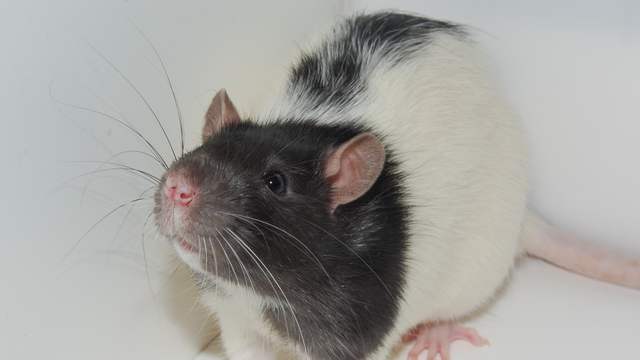

Each section starts with the short answer. The rest is folded under “In detail”.
Many of the peptides on this site, such as BPC-157, TB-500 and KPV, have been studied mainly in cells and animals, and some only in a handful of studies.1,2,3 This page explains, cause by cause, why a result in an animal so often fails to appear in people, and why an animal dose cannot simply be scaled up to a human one. It gives no conversion factor or formula, on purpose.
How often animal results reach people
How often does an animal result become a medicine?
Half reached a test in people. Only 5 in 100 were approved.
5%
of treatments tested in animals were later approved for use in people
What was counted 281 treatments from 122 systematic reviews, more than 10 years after the first animal study (Ineichen 2024) Source Ineichen et al. (2024)4
About a third of famous animal studies held up in trials
about 1 in 3
well-known animal studies held up in fair trials in people
What was counted 76 highly cited animal studies in leading journals (Hackam and Redelmeier 2006) Sources Hackam & Redelmeier (2006); Hackam DG (2007)5,6
Even after tests in people begin, most drugs fail
13.8%
of drug programmes went from the first human trials to approval
What was counted 41,040 industry programmes, each one drug for one use, 2000 to 2015 (Wong 2019) Source Wong et al. (2019)7
The three numbers count different things, but they point the same way. An animal result is a good reason to test in people. It is not a forecast of what will happen in people. The sections below explain why, one cause at a time.
In detail: What each number counts, and how to read it , about 2 minutes to read
From animals to approval. An umbrella review from Zurich and Edinburgh collected 122 systematic reviews on 367 treatments. Of the 281 treatments whose first animal study was more than 10 years old, 50% had entered any study in people, 40% a randomised trial, and 5% had been approved by the US Food and Drug Administration; for those that got there, approval came a median of 10 years after the first animal study.4 The same review cuts the other way too: among 62 treatments with at least five animal studies, 79% of animal studies were positive, against 62% of clinical studies and 50% of randomised trials. The authors call this 86% concordance, argue that translation may be better than often claimed, and link the low approval rate to weaknesses in both animal studies and early trials.4
Highly cited animal studies. Of 76 highly cited animal studies from leading journals, only just over a third were confirmed by randomised trials in people, and about one in ten treatments was approved.5,6,8 These had a median of 889 citations; less visible animal research probably translates less often.8
Once trials in people start. Of 41,040 industry programmes from 2000 to 2015, 66.4% moved from phase 1 to phase 2, 58.3% from phase 2 to phase 3 and 59.0% from phase 3 to approval: 13.8% in all, and 3.4% for cancer.7
None of this makes animal research useless: it is how promising leads are found, and how many dangers are caught before anyone is exposed. The gap is the reason human trials exist.
A rat is not a small person
Why can a rat respond differently from a person?
| What differs | An example | What it means for a result |
|---|---|---|
| Where receptors sit | Rat and mouse thyroid C-cells carry receptors for GLP-1 medicines; human and monkey C-cells have few | Rodents grew thyroid tumours on these medicines; regulators judge the risk to people low, but not ruled out |
| The immune system | Many immune cell types, receptors and signals differ between mice and people | An anti-inflammatory effect in mice may not appear in people |
| How the body handles a drug | Protein binding, breakdown and transport differ between species | The same dose can give a different amount in the blood, for a different time |
| Pace of life | Laboratory rats live about 2 to 3.5 years | Time in a rat study does not match time in a person’s life |
| The target itself | A human target can be missing, or work differently, in test species | Safety tests can miss what only happens in people (see TGN1412 below) |
Sources 9, 10, 11, 12, 13, 14, 15
The difference cuts both ways. An effect seen in rats may not appear in people, and a harm seen in rats may not apply to people either. So each animal finding is a hypothesis about people that has to be tested in people.
In detail: Four differences in more detail , about 2 minutes to read
Receptors in different places. GLP-1 medicines raised calcitonin and caused C-cell overgrowth in rodents, whose thyroid C-cells carry GLP-1 receptors; human and monkey C-cells had low receptor levels, and 20 months of liraglutide caused no C-cell overgrowth in monkeys (Evidence level: Shown in animal studies).9 The semaglutide page explains what this means for people, which is not fully settled.
Immune systems. Mouse and human immune systems differ in the balance of white-cell types, in receptors that detect germs, in signalling molecules (cytokines) and in the signals that switch immune cells on.11 In one comparison of gene responses to trauma, burns and bacterial toxin, the mouse models matched the human conditions little better than chance.12 A later re-analysis of the same data, looking only at genes that changed in both species, found much closer agreement, so how well these mouse models mirror human inflammation is still argued over.16
Drug handling. How long a drug stays in the blood depends on protein binding, breakdown and transport, and all three differ between species. Drugs that bind strongly to blood proteins, are broken down extensively or carried actively, or whose targets differ between species, are unlikely to suit simple scaling by size.13 Some peptide medicines are built to bind blood proteins on purpose: semaglutide is more than 99% bound to albumin.10
A short life. Laboratory rats live about 2 to 3.5 years; in adulthood, one rat month corresponds to roughly three human years.14 So time does not carry over simply: how long a rat study lasted says little about what years of use would do in a person.
The animal and the injury are not the patient
Is a rat with a lab-made injury like a patient?
| In a typical animal study of stroke | In patients with stroke | |
|---|---|---|
| Who | Almost always young animals, female animals rarely; over 95% rats and mice | Mostly older people with other health problems |
| Genetic make-up | A uniform group of animals | A varied population |
| Other illnesses | About 1 in 10 studies used animals with high blood pressure; fewer than 1 in 100 used animals with diabetes | Up to 75% have high blood pressure and 68% high blood sugar |
| Time to treatment | A median of 10 minutes after the injury | Later: 10 minutes is not possible in a clinic |
| What is measured | Tissue damage after 1 to 3 days | Function after about 3 months |
Source 8
About 500 treatments improved outcome in animal models of stroke. In patients, only aspirin and very early clot-dissolving treatment proved effective.8 Peptide studies often follow the same pattern: two of the Zagreb group’s BPC-157 studies, of tendons and of fistulas, gave the first dose 30 minutes after making the injury.17,18
In detail: Why a fresh, uniform injury flatters a treatment , about 1 minute to read
A model is built for a clear result: the same injury, in animals of the same age, strain and sex, treated at the same moment. That clarity makes a small study possible, and makes the result hard to carry over. The stroke review lists the causes of poor external validity: disease induced in young, otherwise healthy animals; a uniform group of animals instead of varied patients; timing and dosing impossible in a clinic; and outcome measures unlike those that matter in trials.8 The Zurich umbrella review names the same problem.4
A tendon cut in a young rat and treated within half an hour is a long way from a sports injury that has troubled someone for a year.
Small, unblinded and unpublished
Why are animal results often too good?
When chance did not pick the groups, studies found an effect more often
3.4
times the odds of reporting a positive result when chance did not pick the groups
What was counted 290 animal studies with two or more groups, presented as abstracts at US emergency-medicine meetings 1997–2001 (Bebarta 2003) Source Bebarta et al. (2003)19
Missing studies that found nothing make the benefit look bigger
about 1 in 3
of the benefit seen in stroke studies in animals may come from missing studies
What was counted 525 publications in 16 systematic reviews of animal stroke studies (Sena 2010) Source Sena et al. (2010)20
Few studies planned how many animals they needed
8 of 113
studies of a stroke drug in animals said how they chose how many animals to use
What was counted 113 animal studies of thrombolysis for stroke (cited by Hackam 2007) Source Hackam DG (2007)6
Each of these flaws pushes results the same way: towards an effect. Researchers who know which animals were treated may score them more kindly. Choosing which animal goes into which group can tilt the groups. Small studies swing widely, and the swings in the positive direction are the ones that get published.
In detail: The evidence on bias in animal research , about 1 minute to read
- Randomisation and blinding. In 290 animal studies, those without randomisation were more likely to report a positive outcome (odds ratio 3.4), and so were those without blinding (3.2).19 In most systematic reviews of animal studies, fewer than half of the studies reported random allocation, and 0 to 3% a sample size worked out in advance.8 In 2,671 animal studies of drugs collected for systematic reviews, 25% reported randomisation and under 1% a sample size calculation.21
- What gets published. Of 525 publications of animal stroke experiments, only 2% reported no significant effect on the size of the brain damage. Correcting for the studies that seem to be missing lowered the average benefit by about a third.20
- What holds up. Scientists at one company could confirm only 6 of 53 landmark preclinical cancer studies.22 When 50 experiments from high-profile cancer papers were repeated, the typical (median) positive effect was 85% smaller than first reported.23
For BPC-157, most of the animal literature comes from a single group; see the Croatian lab.
Why an animal dose cannot be scaled to a person
Can an animal dose be converted to a human dose?
- Animal toxicity studies find the highest dose at which no harm was seen.
- That dose is scaled to a human figure, usually by body surface area: a rough correction for size, nothing more.
- A safety margin is applied, larger when there are more reasons for concern.
- Researchers also estimate the lowest amount expected to have any effect at all (MABEL), using human cells where they can. In Europe, the first dose for healthy volunteers should stay below the amount expected to have the intended effect.
- A few volunteers get the first dose, one person first, with time to watch for reactions before the others are dosed.
- Doses go up step by step, with rules for stopping, while blood levels and effects are measured in people.
The calculation exists to protect volunteers at a first exposure, under medical watch, with a known and pure substance. It starts from what harmed animals, and it aims to stay below the amount expected to work. So it cannot tell anyone what dose works in people, or how much can be used without harm outside a trial. Only the human trials that follow can.
In detail: Why scaling cannot give a dose that works, or one safe to keep using , about 2 minutes to read
The US guidance describes how to choose the first dose for healthy volunteers “regardless of the projected clinical use”. It starts from the highest dose without observed harm in animal toxicity studies, not from a dose that worked, and it “does not address dose escalation”. Its safety margin exists because of known gaps between species: people may be more sensitive; some toxic effects, “e.g., headache, myalgias, mental disturbances”, are hard to detect in animals; receptor numbers and binding strength can differ; toxicity can be unexpected; and absorption, breakdown and excretion differ. It warns that “human bioavailability and metabolism may differ significantly from that of animals”.24
The European guideline states that the expected exposure in people “is considered more relevant than the relative dose levels between animals and humans”, and asks for estimates from human cells where possible, because sensitivity can differ. For healthy volunteers, it asks that the first dose give an exposure below the level expected to have a drug effect (the pharmacologically active dose), unless there is a robust reason to go higher.25 Differences in transport, breakdown and dose-response “can override the effect of size alone”.13
So a scaled animal dose answers one narrow question: roughly how much of this pure substance a closely watched volunteer can probably tolerate once. It does not say how much works, how much can be taken week after week without harm, or what is actually in a vial from outside the legal supply chain; tests of such products have found amounts that differ from the label (see product risk).26
TGN1412: when animal safety tests missed the danger
Can animal tests miss a serious danger?
-
Body-wide inflammatory reaction
began within 90 minutes
-
Critically ill: lungs, kidneys and blood clotting affected
12 to 16 hours after the infusion
-
Immune cells in the blood fell sharply
within 24 hours
Source Suntharalingam et al. (2006)27
TGN1412 was a lab-made antibody, not a peptide, designed to switch on immune cells. The animal safety tests had not predicted the reaction.27,15 The likely cause, found later: one type of human immune cell carries the switch the drug acts on, and the same cells in the test species do not. The next year, the EU medicines agency issued its first guideline on first trials in people.15,25
In detail: What went wrong, and what changed , about 2 minutes to read
Six healthy young men each received a single dose into a vein of TGN1412, a monoclonal antibody designed as a superagonist of CD28 (a switch on T cells). Within 90 minutes all six had a body-wide inflammatory reaction; within 12 to 16 hours they were critically ill, with lung injury, kidney failure and widespread clotting problems (Evidence level: Seen in humans in case reports or small uncontrolled studies). Two needed intensive organ support for 8 and 16 days. All six survived.27
The cytokine storm was “not predicted by pre-clinical safety testing”. In 2010, scientists at the UK National Institute for Biological Standards and Control reported the likely reason: in human cells TGN1412 switched on CD4+ effector memory T cells, and in the species used for safety testing these cells do not carry CD28, so the antibody could not act on them (Evidence level: Shown in cells or tissue in the laboratory).15 The animals lacked the part of the human system the drug acted on.
The European guideline on first-in-human trials, first issued in 2007 and revised in 2017, asks sponsors to show that the species tested is relevant to people, to take “a cautious approach” with medicines that are highly specific to humans, to choose the starting point for the first dose (the lowest expected effect, the active dose or the highest dose without harm in animals) according to how much is uncertain, and to dose a first person and watch before dosing the rest of a group.25
Some peptides sold outside pharmacies have never had a published first trial in people. For KPV, the FDA found no study in people by any route.3 For BPC-157, the developer’s early human studies survive only as conference abstracts, and the FDA found the human safety information too thin to describe its safety profile.1
What an animal result means for a peptide
What does an animal result mean for me?
| Studied mainly in animals (BPC-157) | Tested in large trials in people (semaglutide) | |
|---|---|---|
| Shown to work in people? | Unknown No controlled trial published in full28 | Yes For the uses studied, in large randomised trials29 |
| Side effects in people, and how often? | Unknown Too little human data to say1 | Yes Counted in trials and listed on the label10 |
| Rare harms known? | Unknown Not studied: no systematic safety data in people1 | Unknown Partly: some were found only after years of use30 |
| Amount safe in people known? | No Only conference abstracts and small reports without a comparison group1,28 | Yes Authorised doses are on the label; a prescriber decides10 |
If you already use a product that was tested mainly in animals, its effects and risks in people are, honestly, not known. That makes checks more useful, not less. See monitoring, the warning signs and talking to your doctor.
In detail: Reading a peptide claim with the translation gap in mind , about 1 minute to read
When a page or a post says a peptide “heals” or “repairs”, ask:
- Which species, and which model? A fresh injury in a young rat, treated within minutes, is the easiest case there is.8
- Which target, and is it the same in people? If no receptor has been identified, nobody can check.
- Randomised and blinded? Without these, positive results are more likely whether or not the effect is real.19
- Repeated by an independent laboratory, and tested in people? If not, the honest answer to “does it work?” is “unknown” (see evidence grading).
Promising animal results deserve proper trials in people. Where that is left undone for years, users carry the uncertainty; see the case for reform.
Sources
Every claim on this page links to one of these sources. Scholarly sources link to their DOI; regulatory sources to the regulator's own page.
In detail: All 30 sources, numbered as in the text , about 6 minutes to read
- (2026). FDA Briefing Document for BPC-157-Related Bulk Drug Substances (BPC-157 (free base) and BPC-157 acetate), Pharmacy Compounding Advisory Committee meeting, 23–24 July 2026. Regulator fda.gov (opens an external site) — accessed 20 October 2026 ↩
- (2026). FDA Briefing Document for TB-500-Related Bulk Drug Substances (TB-500 (free base) and TB-500 acetate), Pharmacy Compounding Advisory Committee meeting, 23–24 July 2026. Regulator fda.gov (opens an external site) — accessed 20 October 2026 ↩
- (2026). FDA Briefing Document for KPV-Related Bulk Drug Substances (KPV (free base) and KPV acetate), Pharmacy Compounding Advisory Committee meeting, 23-24 July 2026. Regulator fda.gov (opens an external site) — accessed 20 October 2026 ↩
- (2024). Analysis of animal-to-human translation shows that only 5% of animal-tested therapeutic interventions obtain regulatory approval for human applications. PLoS Biology 22:e3002667. Research article doi:10.1371/journal.pbio.3002667 (opens an external site) ↩
- (2006). Translation of research evidence from animals to humans. JAMA 296:1731-1732. Research article doi:10.1001/jama.296.14.1731 (opens an external site) ↩
- (2007). Translating animal research into clinical benefit. BMJ 334:163-164. Research article doi:10.1136/bmj.39104.362951.80 (opens an external site) ↩
- (2019). Estimation of clinical trial success rates and related parameters. Biostatistics 20:273-286. Research article doi:10.1093/biostatistics/kxx069 (opens an external site) ↩
- (2010). Can animal models of disease reliably inform human studies?. PLoS Medicine 7:e1000245. Research article doi:10.1371/journal.pmed.1000245 (opens an external site) ↩
- (2010). Glucagon-like peptide-1 receptor agonists activate rodent thyroid C-cells causing calcitonin release and C-cell proliferation. Endocrinology 151:1473-1486. Research article doi:10.1210/en.2009-1272 (opens an external site) ↩
- (2026). Wegovy (semaglutide): EPAR — overview and product information. Official product information ema.europa.eu (opens an external site) — accessed 20 October 2026 ↩
- (2004). Of mice and not men: differences between mouse and human immunology. Journal of Immunology 172:2731-2738. Review doi:10.4049/jimmunol.172.5.2731 (opens an external site) ↩
- (2013). Genomic responses in mouse models poorly mimic human inflammatory diseases. Proceedings of the National Academy of Sciences of the United States of America 110:3507-3512. Research article doi:10.1073/pnas.1222878110 (opens an external site) ↩
- (2009). To scale or not to scale: the principles of dose extrapolation. British Journal of Pharmacology 157:907-921. Review doi:10.1111/j.1476-5381.2009.00267.x (opens an external site) ↩
- (2013). The laboratory rat: relating its age with human's. International Journal of Preventive Medicine 4:624-630. Review PMID 23930179 (opens an external site) ↩
- (2010). Monoclonal antibody TGN1412 trial failure explained by species differences in CD28 expression on CD4+ effector memory T-cells. British Journal of Pharmacology 161:512-526. Research article doi:10.1111/j.1476-5381.2010.00922.x (opens an external site) ↩
- (2015). Genomic responses in mouse models greatly mimic human inflammatory diseases. Proceedings of the National Academy of Sciences of the United States of America 112:1167-1172. Research article doi:10.1073/pnas.1401965111 (opens an external site) ↩
- (2003). Gastric pentadecapeptide BPC 157 accelerates healing of transected rat Achilles tendon and in vitro stimulates tendocytes growth. Journal of Orthopaedic Research 21:976-983. Research article doi:10.1016/S0736-0266(03)00110-4 (opens an external site) ↩
- (2008). Pentadecapeptide BPC 157, in clinical trials as a therapy for inflammatory bowel disease (PL14736), is effective in the healing of colocutaneous fistulas in rats: role of the nitric oxide-system. Journal of Pharmacological Sciences 108:7-17. Research article doi:10.1254/jphs.fp0072161 (opens an external site) ↩
- (2003). Emergency medicine animal research: does use of randomization and blinding affect the results?. Academic Emergency Medicine 10:684-687. Research article doi:10.1111/j.1553-2712.2003.tb00056.x (opens an external site) ↩
- (2010). Publication bias in reports of animal stroke studies leads to major overstatement of efficacy. PLoS Biology 8:e1000344. Research article doi:10.1371/journal.pbio.1000344 (opens an external site) ↩
- (2015). Risk of Bias in Reports of In Vivo Research: A Focus for Improvement. PLoS Biology 13:e1002273. Research article doi:10.1371/journal.pbio.1002273 (opens an external site) ↩
- (2012). Drug development: Raise standards for preclinical cancer research. Nature 483:531-533. Research article doi:10.1038/483531a (opens an external site) ↩
- (2021). Investigating the replicability of preclinical cancer biology. eLife 10:e71601. Research article doi:10.7554/eLife.71601 (opens an external site) ↩
- (2005). Guidance for Industry: Estimating the Maximum Safe Starting Dose in Initial Clinical Trials for Therapeutics in Adult Healthy Volunteers. Regulator fda.gov (opens an external site) — accessed 22 October 2026 ↩
- (2017). Guideline on strategies to identify and mitigate risks for first-in-human and early clinical trials with investigational medicinal products (EMEA/CHMP/SWP/28367/07 Rev. 1). Regulator ema.europa.eu (opens an external site) — accessed 22 October 2026 ↩
- (2024). Multifactor Quality and Safety Analysis of Semaglutide Products Sold by Online Sellers Without a Prescription: Market Surveillance, Content Analysis, and Product Purchase Evaluation Study. Journal of Medical Internet Research 26:e65440. Research article doi:10.2196/65440 (opens an external site) ↩
- (2006). Cytokine storm in a phase 1 trial of the anti-CD28 monoclonal antibody TGN1412. New England Journal of Medicine 355:1018-1028. Research article doi:10.1056/NEJMoa063842 (opens an external site) ↩
- (2026). Human evidence for BPC-157 in orthopaedic and regenerative medicine: a systematic review of efficacy and safety. Acta Orthopaedica Belgica 92. Review doi:10.52628/92.3.15837 (opens an external site) ↩
- (2023). Semaglutide and cardiovascular outcomes in obesity without diabetes. New England Journal of Medicine 389:2221-2232. Clinical trial doi:10.1056/NEJMoa2307563 (opens an external site) ↩
- (2025). PRAC concludes eye condition NAION is a very rare side effect of semaglutide medicines Ozempic, Rybelsus and Wegovy. Regulator ema.europa.eu (opens an external site) — accessed 20 October 2026 ↩